2026 Best Loose Furniture Types for Global Buyers?
In 2026, global buyers are rethinking how furniture should support changing spaces, budgets, and lifestyles. Loose furniture offers flexibility that built-in pieces often cannot match. A movable sofa, dining table, lounge chair, or storage unit can adapt to new layouts, rental properties, hospitality projects, and remote work areas. That practical freedom matters across international markets.
This guide examines the best loose furniture types for buyers comparing design, durability, maintenance, and total cost. It considers solid wood, engineered panels, metal frames, recycled materials, and mixed-material construction. It also looks at modular sofas, nesting tables, ergonomic chairs, freestanding cabinets, and compact dining sets. Details matter. A chair’s joint strength, fabric performance, packaging quality, and replacement-part availability can affect its real value. I have seen attractive products fail because their hardware loosened during transit. Appearance alone is not enough.
Reliable sourcing also requires careful questions. Can the supplier provide material information, test reports, consistent dimensions, and clear after-sales support? Are finishes suitable for the intended climate? Does the packaging protect corners during long-distance shipping? These checks help buyers make informed decisions while respecting applicable safety and trade requirements. Still, no category is perfect. Some lightweight designs sacrifice stability, while some durable pieces increase shipping costs. Trends may also change faster than procurement plans. This article therefore balances current design appeal with practical experience, evidence-based evaluation, and room for honest reconsideration. Global buyers deserve furniture that works beyond the showroom.

Defining Loose Furniture and Its Role in Modern Interiors
Loose furniture refers to movable interior pieces that are not fixed to walls, floors, or built-in systems. Sofas, dining tables, lounge chairs, sideboards, and freestanding shelves fit this category. Their position can change without construction work. That simple quality gives designers practical control over modern spaces.
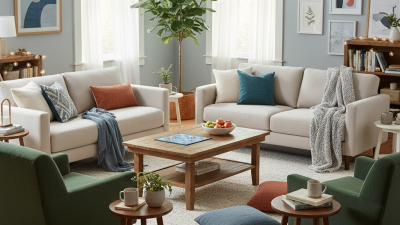
In homes, offices, hotels, and serviced apartments, loose furniture helps create flexible zones. A small table can separate a reading corner from a living area. Lightweight chairs can support events, cleaning, or changing household needs. I have found that accurate measurements matter more than attractive product images. Door widths, elevator sizes, floor protection, and assembly access can affect the final choice.
Material selection also influences long-term performance. Solid timber may provide warmth, while metal frames can support frequent commercial use. Upholstery should suit cleaning routines, climate, and expected traffic. Buyers should request tested dimensions, load information, care instructions, and material details from suppliers. These documents reduce avoidable misunderstandings across international orders.
Loose furniture is not always the perfect solution. It can move, scratch floors, or make a crowded room feel unsettled. I once underestimated the space needed behind dining chairs. The layout looked balanced on paper but felt awkward in daily use. Good planning leaves walking clearance and allows future changes, not just a pleasing showroom arrangement.
Key Loose Furniture Types and Their Distinctive Features
2026 Best Loose Furniture Types for Global Buyers?
Loose furniture is gaining attention because it can move, adapt, and serve changing interiors.
Grand View Research valued the global furniture market at about USD 516.7 billion in 2022, with continued growth expected through 2030.
For global buyers, sofas, lounge chairs, dining tables, beds, cabinets, and outdoor pieces remain core categories. Each type needs a different purchasing checklist.
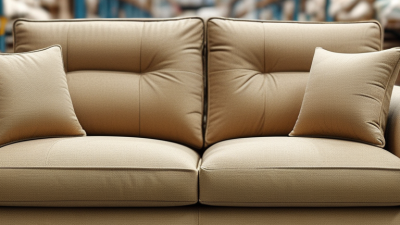
Modular sofas offer flexible layouts, replaceable covers, and easier shipping. A three-seat unit may become a corner arrangement after relocation. Lounge chairs need strong frames, stable legs, and tested foam recovery.
Dining tables should balance surface durability with manageable weight. Extendable designs help smaller apartments, although complex mechanisms can require more maintenance.
Beds with demountable frames support flat-pack logistics and reduce warehouse volume.
Storage cabinets provide visible organization, while adjustable shelves improve practical use.
The outdoor segment demands more than attractive finishes. UV resistance, drainage, corrosion protection, and quick-drying fabrics matter in humid climates.
The International Trade Centre reports that furniture remains a significant traded manufactured-goods category, but cross-border buyers still face packaging and specification risks.
Clear dimensions, material declarations, load ratings, and assembly instructions build trust. In sourcing work, these details prevent expensive misunderstandings.
Sometimes, buyers overvalue appearance. A beautiful chair with weak joints is still a poor purchase.
This is where product reviews, factory records, and sample testing remain necessary.
Even careful assessments can miss long-term wear. That limitation deserves honest attention.
Materials, Construction Standards, and Product Durability
2026 Best Loose Furniture Types for Global Buyers?
Materials, Construction Standards, and Product Durability
For global buyers, loose furniture should balance comfort, repairability, and shipping efficiency. Dining chairs, modular sofas, nesting tables, and freestanding cabinets remain practical choices. Solid hardwood offers strong joints, while engineered panels reduce weight and material waste. However, board quality varies widely. Check density, edge sealing, and resistance to swelling before approving samples.
Construction details often determine service life more than appearance.
Look for reinforced corner blocks, tight dowel joints, and corrosion-resistant hardware. Sofa frames should resist twisting under repeated pressure. Chair legs need stable connections, not only attractive welding or smooth paint. Drawers should open evenly after load testing. Test reports should identify methods, sample sizes, and measured results. Vague claims are not enough.
Material moisture content matters in changing climates. Excess moisture can cause warping, mold, or loose joints during storage. Upholstery should have abrasion data, colorfastness results, and clear cleaning instructions. Fire performance must match the destination market’s requirements. No laboratory test predicts every household. I have seen well-tested tables fail after poor packaging and rough handling. That weakness deserves attention. Buyers should inspect carton protection, assembly instructions, spare fittings, and replacement-part plans. A small scratch is visible; a hidden crack may appear months later. Durability is also a supply-chain decision, not merely a material choice.
How Global Buyers Compare Suppliers, Costs, and Certifications
2026 Best Loose Furniture Types for Global Buyers?
Global buyers compare loose furniture suppliers through landed cost, not unit price. A sofa quoted at 85 dollars may need stronger cartons, extra corner protection, and higher inspection fees. Ask for carton dimensions, loading plans, minimum order quantities, lead times, and defect policies. The World Bank’s Logistics Performance Index 2023 evaluates customs, infrastructure, shipment pricing, and delivery reliability. These factors can change the final cost more than a small factory discount.
Certification should support evidence, not replace it. The ISO Survey 2023 recorded 1,265,216 ISO 9001 certificates worldwide, showing broad quality-system adoption. However, a certificate does not prove every chair is well finished. Request the certificate number, scope, expiry date, and recent audit information. For wooden furniture, chain-of-custody documentation can clarify responsible material sourcing. For upholstered items, buyers should check fire performance, chemical restrictions, and fabric test results for the destination market.
The UNCTAD Review of Maritime Transport 2024 reported 2.4% growth in seaborne trade during 2023. Freight conditions still shift quickly. Build two landed-cost scenarios: normal shipping and delayed shipping. Include port charges, insurance, duties, testing, rework, and currency movement. A pre-production sample should show uneven stitching, weak joints, odor, and color variation clearly. Real purchasing experience suggests that the cheapest offer often becomes expensive after corrections. I still find supplier comparisons imperfect when specifications remain vague.
2026 Trends Shaping Loose Furniture Selection Worldwide
Loose furniture selection in 2026 is shifting from decoration toward adaptability, repair, and responsible sourcing. Global buyers increasingly need pieces that move easily between apartments, offices, and hospitality spaces. Modular sofas, nesting tables, stackable chairs, and lightweight storage support changing floor plans. They also reduce replacement pressure when one component wears out.
Material accountability is becoming harder to ignore. The Circularity Gap Report 2024 found that only 7.2% of materials entering the global economy were cycled back into use. UNEP’s Global Resources Outlook 2024 projects global resource extraction could rise by 60% by 2060 without major intervention. Buyers should request recycled content details, repair instructions, and component-level durability data.
“Eco-friendly” alone is not enough.
A beautiful chair with sealed parts may become waste after one damaged joint.
Digital purchasing will also influence loose furniture choices worldwide. Clear dimensions, fabric close-ups, weight limits, assembly videos, and realistic room images can reduce costly returns. However, screens still hide texture and comfort. A practical specification should include seat firmness, carton size, replacement-part availability, and cleaning performance. Local climate matters too. Humid regions may require breathable upholstery, while compact cities may favor narrow profiles and foldable designs.
This framework is useful, but imperfect. A highly modular product can feel less stable, and low weight may reduce perceived quality. Buyers should test the details, not simply follow the trend.