How to Choose the Perfect Computer Desk for Your Workspace?
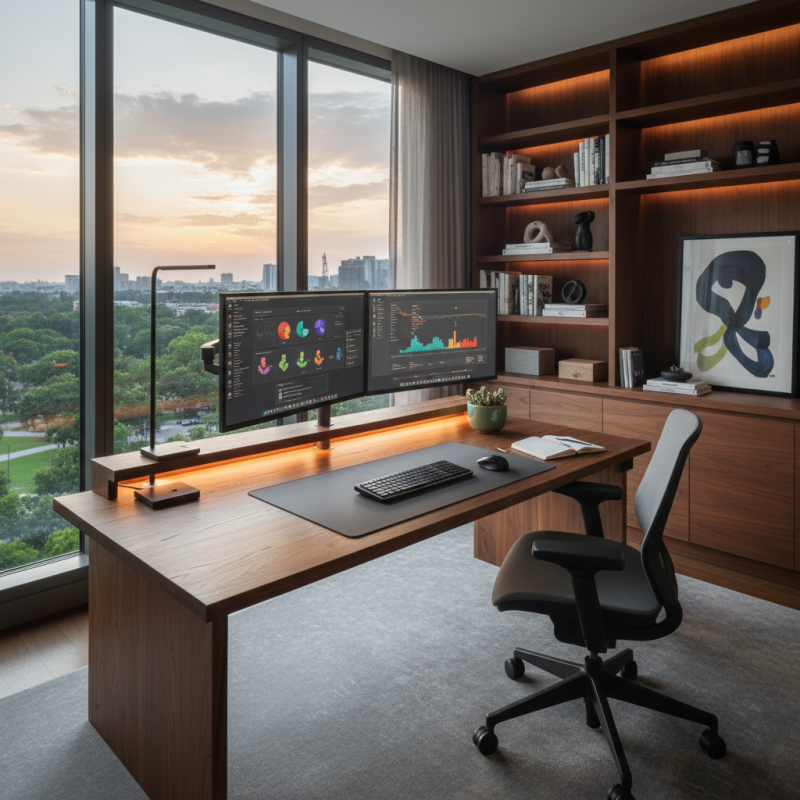
Finding the right Computer Desk can transform your workspace. Expert John Smith, a renowned office furniture designer, once said, “The ideal desk should not only be functional but also reflect your personality.” This insight highlights the importance of personal choice in selecting a workstation.
Consider your workflow. A Computer Desk must accommodate your specific needs. Do you require space for multiple monitors? A minimalistic design might stifle your productivity. The height and depth of the desk can impact your comfort levels. Too narrow can feel cramped; too wide might waste space. It's a delicate balance.
Reflect on your work habits. A desk that works for one person may not suit another. Don't just choose based on trends. Look for durability and style that resonate with your workflow. A misjudged choice can lead to a cluttered, inefficient workspace. Aim for a desk that inspires you daily.
Understanding Your Workspace Needs and Constraints
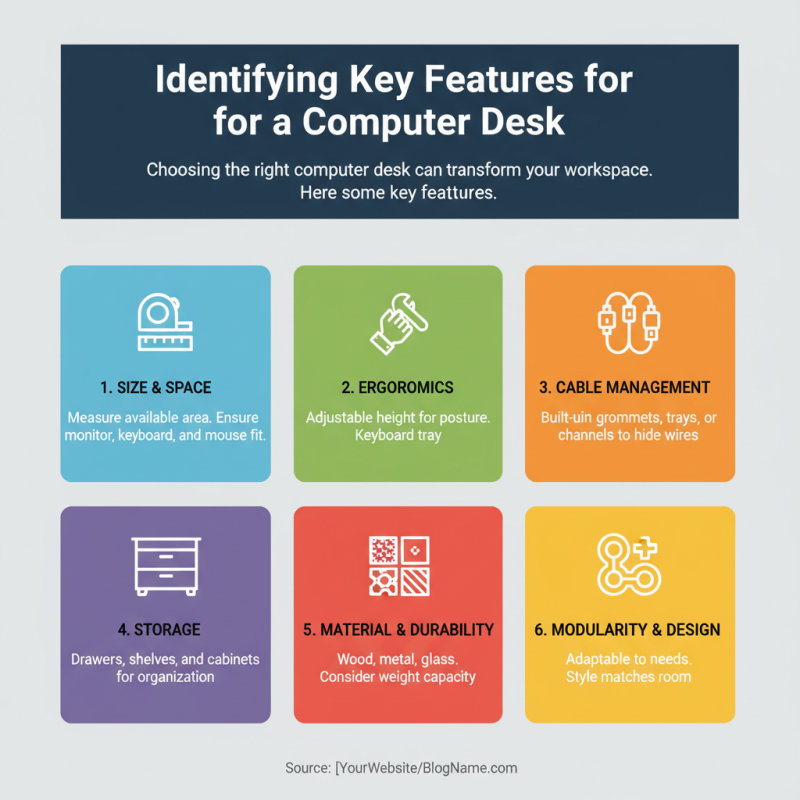
When selecting a computer desk, focus on your workspace needs. Consider the size of the room. If it’s small, a compact desk might work well. Are you planning to work from home? Think about your workflow and storage needs. A desk with drawers might help keep the area tidy. Visualize how you’ll use the space.
Evaluate your seating arrangements, too. Desk height is crucial for comfort. An ergonomic design can prevent strain. You may prefer a standing option if you like to move while working. Lighting also plays a role. Natural light enhances productivity but can create glare on screens. Reflect on these aspects to find what suits you best.
Sometimes, a desk may look great in pictures, but feel different in reality. Test it if possible. Is there enough room for your devices? Can you add personal touches, like plants or photos? These details matter. Don’t overlook the aesthetic appeal. It impacts your mood and efficiency throughout the day.
Workspace Desk Size Preferences
Evaluating Materials and Durability Options
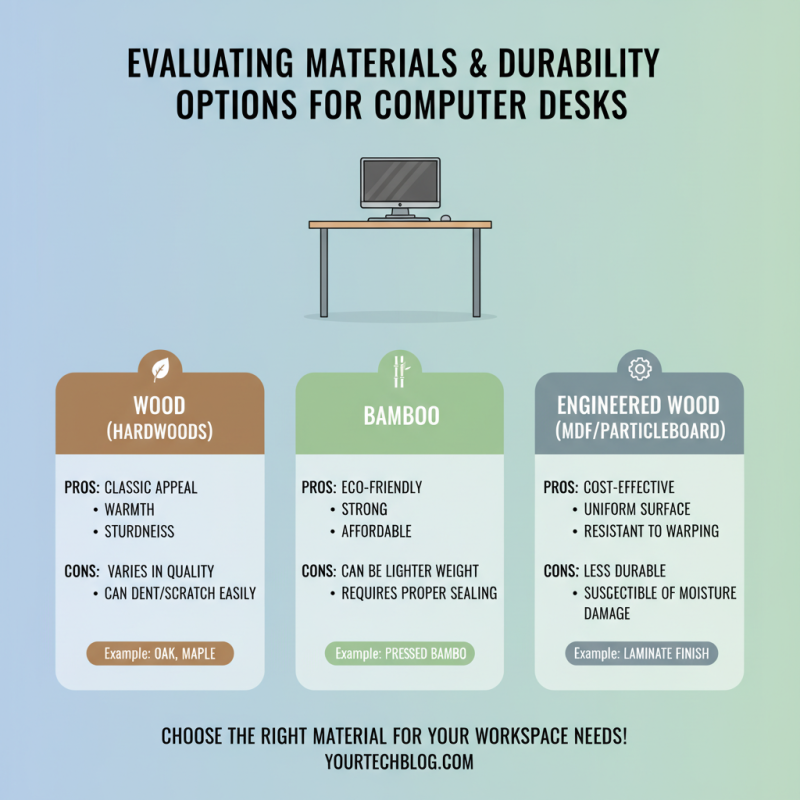
Choosing the right materials for a computer desk can greatly impact your workspace. Wood offers a classic appeal. It can provide warmth and sturdiness. However, not all woods are created equal. Some may dent or scratch easily. Consider bamboo for an eco-friendly option. It’s strong and often more affordable than hardwood.
Metal frames bring a modern touch. They are typically more durable than wood. Yet, metal can be cold and impersonal. A blend of materials might work best. A wooden top with metal legs can balance aesthetics and durability. Keep in mind, weigh your location's humidity. This can affect the longevity of your materials, especially wood.
Think about your daily needs too. If you constantly rearrange your workspace, lightweight materials can help. But they might not stand the test of time. On the other hand, heavier desks provide stability, but they can be cumbersome. Reflect on how often you'll need to change your setup.
Considering Ergonomics and Comfort Factors
Choosing the right computer desk is essential for productivity and well-being. Ergonomics plays a vital role in this process. A well-designed desk can reduce strain and discomfort while you work. According to a recent study, nearly 70% of workers report experiencing pain due to poor workstation setup. This highlights the importance of selecting a desk that supports proper posture.
Adjustable desks are becoming increasingly popular. They allow users to switch between sitting and standing, which can enhance comfort. Research shows that alternating between positions can decrease fatigue and increase focus. However, many still choose static desks out of habit. This decision might limit their productivity in the long run.
The height of the desk is crucial as well. A desk that's too high or low can lead to wrist and neck pain. Experts recommend a desk height that allows your elbows to rest at a 90-degree angle. Still, not everyone measures their desk correctly. Taking the time to ensure the right dimensions can prevent unnecessary discomfort. Finding the perfect balance between aesthetics and ergonomics is a challenge many face during their search.
How to Choose the Perfect Computer Desk for Your Workspace? - Considering Ergonomics and Comfort Factors
| Feature |
Importance Level |
Recommended Measurement/Value |
Comments |
| Height Adjustability |
High |
Adjustable from 27" to 48" |
Allows for sitting and standing positions |
| Surface Area |
Medium |
Minimum 55" x 28" |
Ensures space for monitors, keyboard, and documents |
| Ergonomic Design |
High |
Rounded edges and curved design |
Reduces strain on wrists and arms |
| Storage Solutions |
Medium |
Drawers and shelves |
Keeps workspace organized |
| Material |
High |
Solid wood or high-grade steel |
Durability and stability |
| Cable Management |
Medium |
Built-in cable trays or grommets |
Keeps cables neat and reduces clutter |
Budgeting and Comparing Desk Prices and Brands
When budgeting for a computer desk, it is crucial to assess your workspace needs. According to industry reports, the average cost of a decent desk ranges from $150 to $500. This price can vary significantly based on size, material, and features. Desks made from higher-quality materials may last longer but come at a higher upfront cost. A well-made desk can provide ergonomic benefits that justify its price over time.
Consider your budget. If a premium desk is out of reach, look for alternatives that still offer good stability and comfort. Online marketplaces often have competitive prices. However, quality should not be sacrificed for a lower price. Be wary of unclear customer reviews and unforeseen assembly complexities. A desk that seems cheap may not meet your expectations once set up.
While researching, also compare brands. This can reveal which desks provide better warranties or customer support. Some brands may promise durability but fall short in real-world usage. Regular assessments of desk performance are essential. Observe how your desk fits into your workflow. Is it comfortable for long hours? Reflect on your choices periodically to ensure your desk continues to meet your needs effectively.