Top 10 Loose Furniture Ideas to Transform Your Living Space?
The concept of "loose furniture" is transforming living spaces across the globe. According to a recent report by the Furniture Manufacturers Association, the demand for flexible, adaptable furniture solutions has surged by 25% in the last two years. This shift is driven by a growing desire for personalized living environments that reflect individual styles and accommodate various lifestyles.
Expert interior designer Mia Lin states, "Loose furniture offers versatility that fixed pieces simply cannot." Her insight underscores how these furnishings can be rearranged to suit different occasions, whether a cozy family gathering or a lively social event. The adaptability of loose furniture encourages creative layouts, inviting homeowners to rethink their spaces.
However, the rising trend of loose furniture comes with challenges. It may lead to clutter and disorganization if not managed well. Striking a balance between design and functionality is essential. Homeowners must consider how to maintain harmony while enjoying the benefits of loose furniture. Embracing this trend invites reflection on how we use space and the importance of mindful choices.
Understanding Loose Furniture and Its Benefits in Home Design
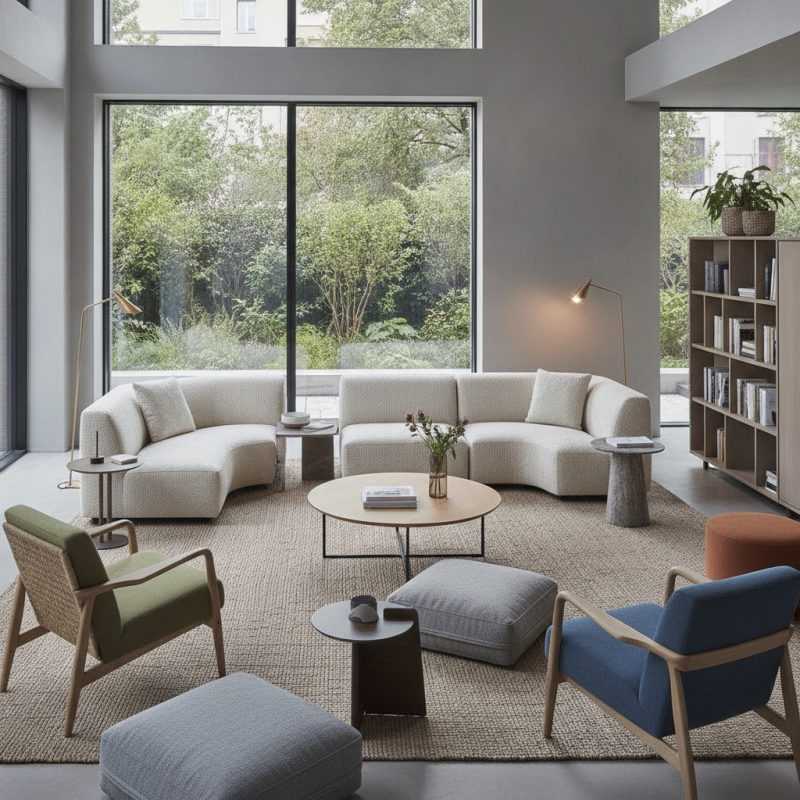
Loose furniture can significantly enhance the comfort and functionality of a living space. These movable pieces allow for flexible layouts, accommodating various activities and gatherings. Unlike built-in furniture, loose pieces provide the freedom to rearrange or replace items according to your needs. Whether it's a cozy armchair or a stylish coffee table, each item adds character and can easily adapt to different moods.
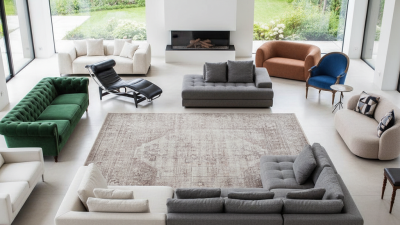
One major benefit of loose furniture is its ability to facilitate social interactions. Arranging seating in a circle or semi-circle can encourage conversation. Additionally, using various styles can create a playful atmosphere. It's worth noting that choosing a color palette and material styles is crucial in achieving harmony. However, blending different elements can sometimes lead to chaotic results. It’s important to reflect on whether the combination complements or clashes.
While loose furniture offers numerous advantages, it also presents challenges. Over time, wear and tear may affect stability. Regular maintenance becomes essential for long-lasting beauty. Moreover, finding the perfect arrangement is often a trial-and-error process. You might find certain configurations fail to work as envisioned. Embracing this imperfection can lead to a more personalized and inviting space.
Creative Loose Furniture Ideas for Cozy Living Room Spaces
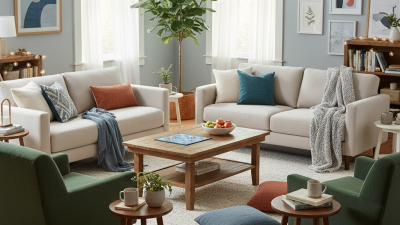
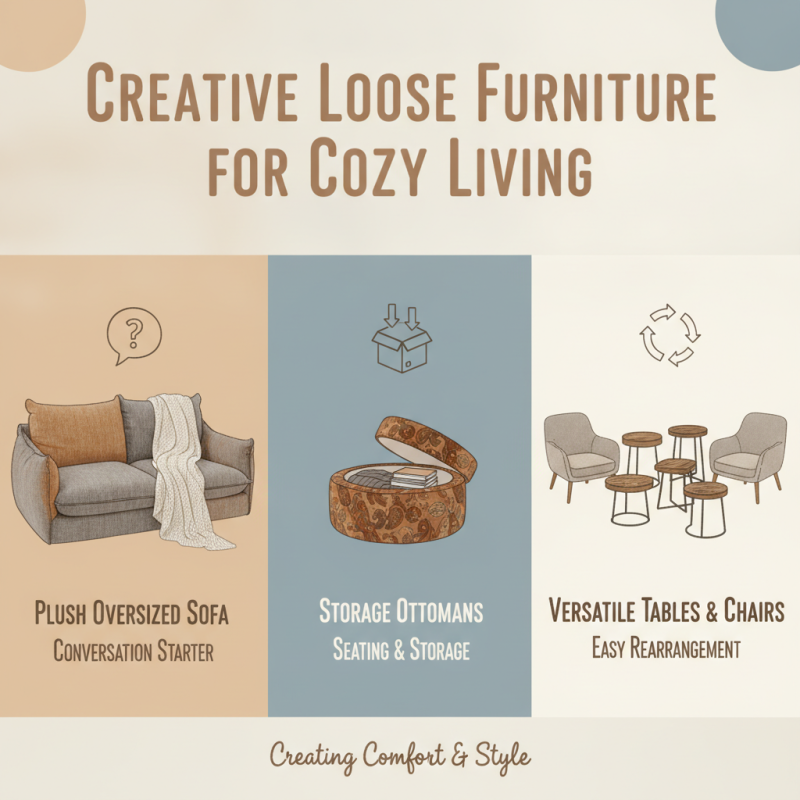
Creating a cozy living room begins with the right loose furniture choices. Sofas, chairs, and tables offer versatility, allowing for easy rearrangement. A plush, oversized sofa can become a conversation starter. Pair it with a textured throw for warmth and comfort. Opt for ottomans that serve as both seating and storage. This dual functionality is key in small spaces.
Incorporating loose furniture elements can greatly enhance the ambiance. A rustic coffee table adds character. It draws the eye and anchors your setup. Consider using floor cushions scattered around for an informal vibe. These pieces invite relaxation and encourage social interaction.
**Tip:** Choose a color palette that reflects your personality. Soft tones or bold hues create different moods. Don't be afraid to mix materials—wood, metal, and fabric can complement each other beautifully.
Reflect on how you use your space. Is it inviting enough? Move your furniture around. This simple act can spark new energy in your living area. Play with textures and heights to create visual interest. The key is to make your space reflect who you are and how you live.
Incorporating Multi-Functional Loose Furniture into Small Areas
Incorporating multi-functional loose furniture into small areas can significantly enhance functionality and style. According to recent industry reports, 72% of homeowners in urban areas seek versatile solutions to maximize limited space. For instance, a compact sofa bed can transform a living room into a guest area. This flexibility is crucial in small apartments where every square foot matters.
Modular furniture pieces are trending for their adaptability. They can be rearranged easily to suit changing needs. A recent study highlighted that 68% of individuals prefer furniture that can be customized. Chairs that stack or tables with expandable surfaces allow for dynamic use of space. However, these benefits require mindful consideration of layout and flow. Clutter can easily arise if furniture is not thoughtfully chosen.
Additionally, storage solutions integrated into loose furniture are essential. Ottomans with hidden compartments or side tables that double as storage can streamline the environment. This practical approach ensures a clean, inviting space. Yet, too much focus on function may overshadow style. Balancing aesthetics with utility is key. Homeowners must reflect on their design choices, ensuring they align with personal style while serving practical purposes.
Styling Tips for Arranging Loose Furniture to Maximize Space
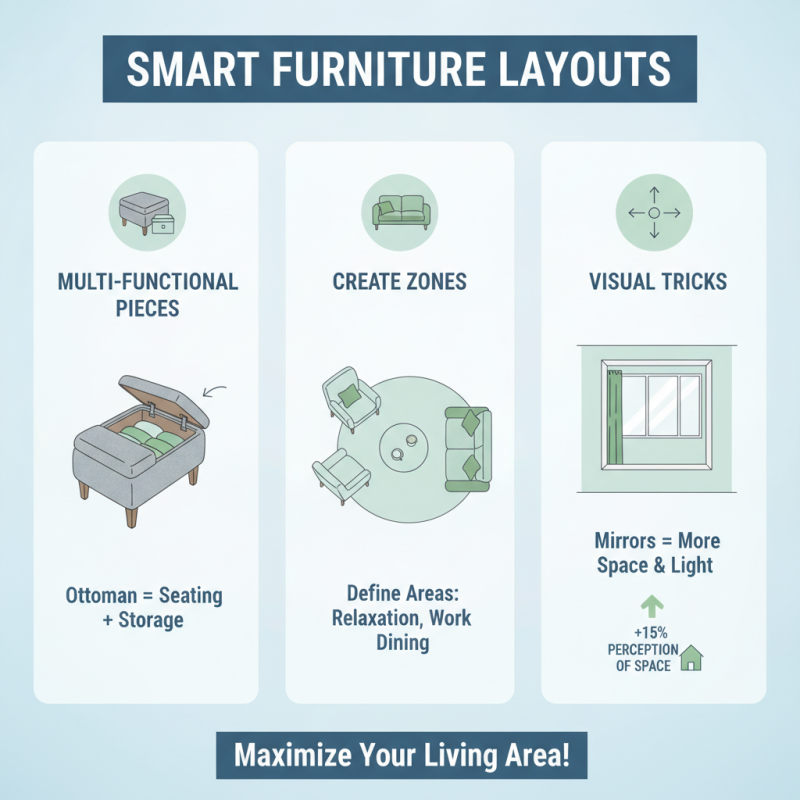
Arranging loose furniture can greatly enhance your living space's functionality and style. According to a report from the American Society of Interior Designers, well-placed furniture can increase the perception of space by up to 15%. This small adjustment transforms a cluttered room into an inviting area. Begin by choosing multi-functional pieces. A compact ottoman can serve as both seating and storage. This dual-purpose approach fosters a more organized environment.
When crafting your layout, consider pathways. An ideal flow allows movement without obstruction, improving accessibility. Data shows that an optimized layout can reduce anxiety levels by about 20%. Additionally, incorporating different textures and colors can create visual interest while maintaining harmony. For example, complementing a soft sofa with a textured rug adds depth. However, be cautious: overcrowding a small area can make it feel cramped. Aim for balance, not perfection. Having too much furniture may lead to unease, so reflect on what you truly need.
Use vertical space creatively to further maximize room utility. Wall-mounted shelving provides storage without taking up floor space. A mix of open and closed storage can reduce visual clutter while keeping essentials nearby. Embrace the imperfections in your furniture arrangement. Sometimes, a slightly asymmetrical layout can feel more relaxed and inviting. Remember, the key is to create a space that reflects your lifestyle and meets your needs.
Choosing the Right Materials and Colors for Loose Furniture Pieces
When selecting loose furniture pieces, the choice of materials significantly impacts both aesthetics and functionality. Natural materials like wood, linen, and cotton bring warmth to a space. They can create a cozy atmosphere. However, they require maintenance. For example, wood can scratch easily and may need regular polishing. Synthetic materials are often more durable and easier to clean, but they may lack the warmth of natural options.
The color palette also plays a crucial role. Light colors can make a room feel spacious. Dark hues add depth and sophistication. Mixing bold, vibrant colors with neutral tones can create a balanced look. Consider how different colors interact with light throughout the day. Experimentation is key. It’s essential to visualize how your choices will work together in your living space.
Remember to reflect on your lifestyle needs. Choose pieces that are not only stylish but also functional. Make sure they accommodate your everyday activities. Think about your space and how you want to feel in it. The right combination of materials and colors can transform your living area into a personalized sanctuary.
Top 10 Loose Furniture Ideas to Transform Your Living Space
This chart displays the popularity ratings of various loose furniture ideas to help transform your living space. Each piece is rated out of 10, reflecting the current trends and preferences in interior design.