Top 10 Office Cabinets in China for Every Workplace Need?
In today's fast-paced workplace, the need for efficient storage solutions cannot be overstated. Office cabinets play a crucial role in enhancing productivity and organization. According to Dr. Helen Wu, a leading expert in office design, "A well-arranged office cabinet can improve workflow and reduce stress." This statement underlines the importance of selecting the right office furniture.
Choosing the appropriate office cabinet can be overwhelming. With countless designs and functionalities available, it’s essential to understand your specific needs. Factors such as space availability and the nature of your work can influence your choice. For instance, a compact cabinet may work for a small team, while larger organizations might benefit from modular systems.
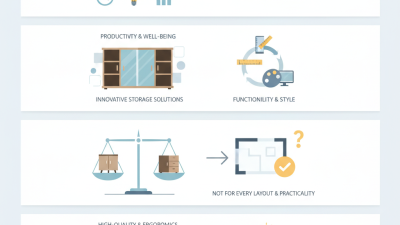
While there are many options in the market, not every cabinet meets the requirements of durability and style. Some may appear attractive but lack functionality. It's crucial to strike a balance between aesthetics and practicality. Investing time in understanding different types of office cabinets can yield significant long-term benefits for any workplace.
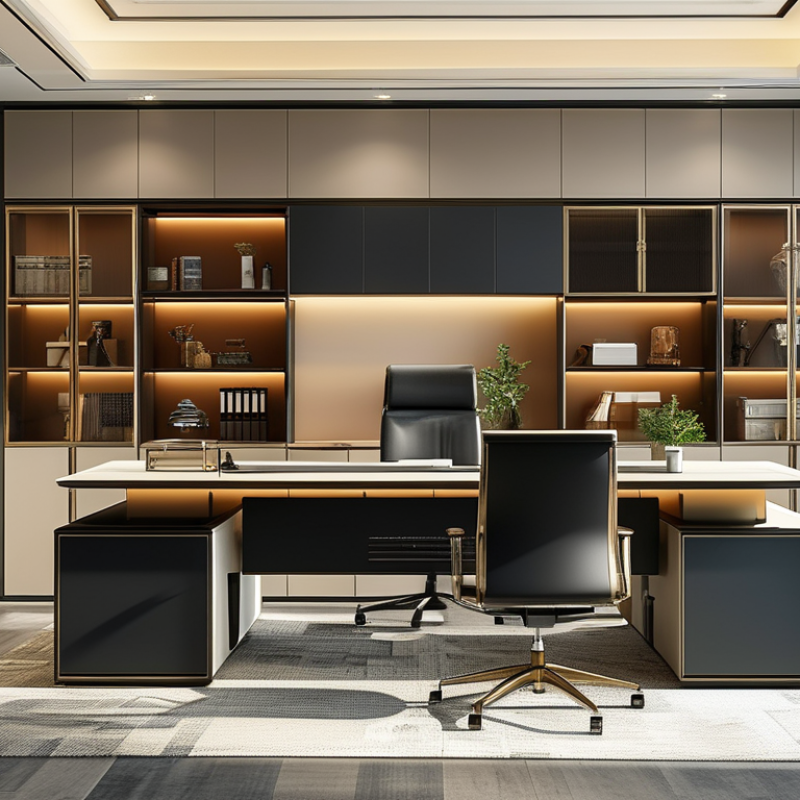
Overview of Office Cabinets: Types and Materials
When selecting office cabinets, it's crucial to consider the types and materials available. Different workplaces require various styles. Common types include filing cabinets, storage cabinets, and modular units. Each serves a distinct purpose, whether for documents or supplies.
Materials also play a significant role. Metal cabinets offer durability, while wooden options provide warmth and a professional aesthetic. Particleboard is often a budget-friendly choice, yet it may lack long-term reliability. Many users find that higher-priced materials can justify their value over time.
Not everyone appreciates the same design. Some cabinets may not fit all office styles. Additionally, the choice of color impacts the overall atmosphere. It can enhance creativity or promote focus. Users often reflect on their choices, questioning whether they opted for the right type and material. Balancing functionality with design is a challenge in every office setup.
Key Features to Consider When Choosing Office Cabinets
When selecting office cabinets, understanding key features is vital for maximizing space and functionality. According to a recent report by the Office Furniture Research Institute, 73% of employees report improved productivity with well-organized storage solutions.
Durability is a primary consideration; materials should withstand daily wear. Steel and engineered wood are preferred for their robustness and longevity.
Additionally, think about modularity. Cabinets that adapt to your office's changing needs can save costs in the long term.
Size also matters. A well-sized cabinet should not obstruct pathways or create clutter. The wrong dimensions can lead to safety hazards and reduced efficiency.
Tip: Measure your workspace carefully before purchasing. This prevents issues like cramped areas or unnecessary waste.
Another aspect is security. Lockable cabinets are essential for protecting sensitive documents. A study showed that 45% of companies face data breaches partly due to poor storage practices. Implementing secure storage solutions can mitigate risks significantly.
Tip: Regularly review storage needs. This ensures that your office remains organized and secure over time.
Top 10 Recommended Office Cabinets in China: A Detailed Review
When it comes to office cabinets, a diverse range of needs arises. A recent report by the China Office Furniture Association indicates that over 70% of enterprises value storage solutions that enhance organization and efficiency. The right cabinet not only offers space but also influences productivity. Many workplaces still struggle with clutter due to poor storage choices.
Choosing the best office cabinet requires considering materials, size, and functionality. For instance, metal cabinets are gaining traction for their durability, particularly in high-traffic environments. Statistics reveal that more than 50% of office workers prefer cabinets that provide easy access and visibility to contents. However, it's concerning that many businesses overlook this, leading to inefficient workspaces and employee frustration.
Additionally, aesthetics play a crucial role in cabinet selection. A study by the International Workplace Group showed that 60% of employees believe an organized office boosts our mood. Unfortunately, many companies do not prioritize cabinet design, affecting the overall workplace environment. Investing in the right office cabinets not only supports function but also enhances employee well-being.
Comparison of Price Ranges for Different Office Cabinets
When choosing office cabinets in China, understanding price ranges is crucial. Each office has unique needs, which affects pricing. Basic metal cabinets might start at about 500 RMB. More stylish wooden options can range from 1,500 to 5,000 RMB. For premium designs, prices can even exceed 10,000 RMB.
Quality often reflects price. Lower-range cabinets may lack durability. They might serve well for short-term use. Investing in higher-priced cabinets can provide longevity and aesthetic appeal. However, it's essential to evaluate return on investment. Are you getting enough functionality for the cost?
Also, consider the assembly and maintenance of these cabinets. Some models require professional setup, adding extra costs. Ensure you factor in these expenses into your overall budget. Not every expensive cabinet guarantees superior results. Sometimes, mid-range products satisfy needs effectively without overspending. The best choice is one that aligns both with your functional requirements and your financial plan.
Top 10 Office Cabinets in China - Price Comparison
Tips for Maintaining and Organizing Your Office Cabinets
Organizing your office cabinets is key to a productive workspace. Research indicates that an organized office can increase employee productivity by up to 20%. However, maintaining that order requires consistent effort.
To keep your cabinets tidy, prioritize decluttering. Every month, review what you have stored. Discard outdated files or items that you no longer need. Storing items in labeled folders enhances accessibility. This small step saves time during the day and reduces frustration.
Consider the layout of your cabinets. Place frequently used items at eye level. This simple adjustment can streamline your work processes. Additionally, invest in drawer organizers. These systems can help separate supplies effectively and prevent chaos. Regular maintenance creates a calm atmosphere and promotes efficiency.
Remember, even the best-organized spaces can become cluttered over time. Reflect on your habits and make adjustments as necessary. Making organization a routine task can lead to long-lasting results.