China Top Restaurant Furniture Trends for Modern Dining Spaces?
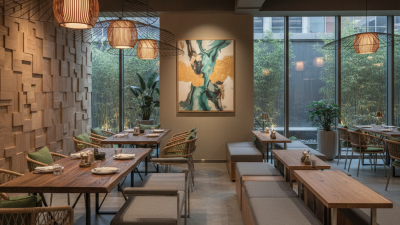
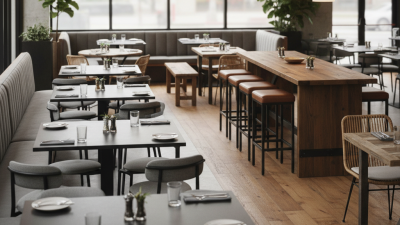
The landscape of restaurant furniture in China is evolving rapidly. Modern dining spaces demand innovation and style. As restaurants aim to create unique experiences, furniture plays a vital role in that vision. The right pieces not only enhance aesthetics but also improve functionality.
Trends highlight a movement toward sustainable materials and ergonomic designs. Outdoor dining has gained popularity, leading to the rise of weather-resistant tables and chairs. Many establishments are opting for custom-made furniture to reflect their brand identity. However, this journey is not always seamless. Finding a balance between cost and quality can be challenging.
Moreover, the influence of technology is reshaping designs. Smart furniture, integrating charging ports, is becoming more common. Yet, relying too much on trends without understanding customer needs can lead to missteps. It’s essential for restaurateurs to blend innovation with timeless appeal, ensuring their space remains inviting and practical. Thus, the choices made in restaurant furniture are pivotal for creating memorable dining experiences.
Emerging Materials and Their Impact on Restaurant Furniture Design
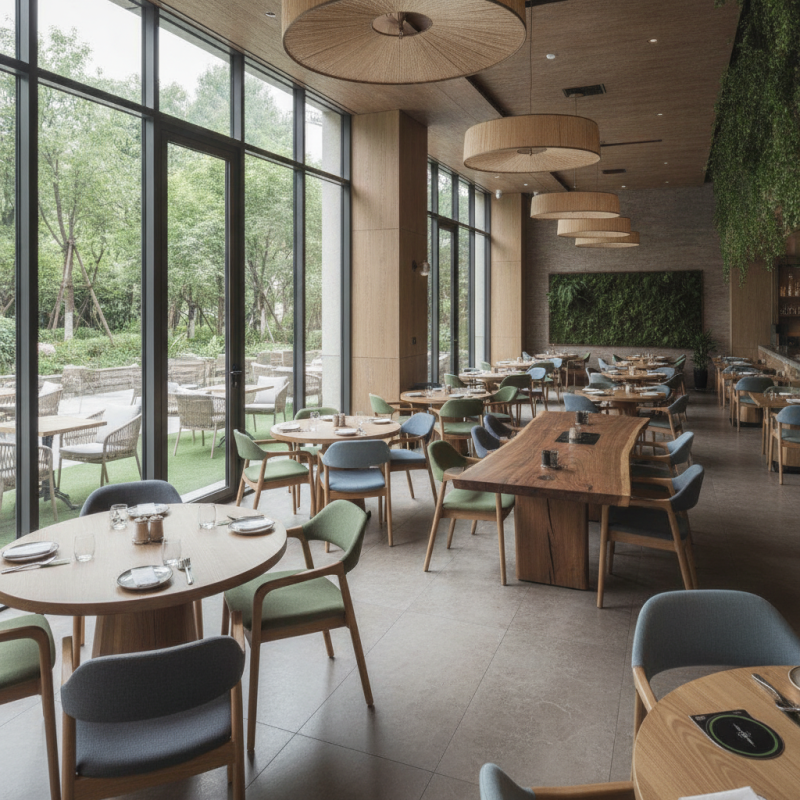
Restaurant furniture design is evolving, heavily influenced by emerging materials. Innovative fabrics and sustainable resources are redefining what modern dining spaces look like. For example, bamboo and reclaimed wood offer both durability and eco-friendliness, making them popular choices. These materials not only enhance aesthetics but also promote sustainability. Customers are increasingly drawn to establishments that showcase such values.
Incorporating stone finishes can add elegance to dining areas. These surfaces are easy to clean and maintain, appealing to busy restaurant owners. However, the weight and cost of stone can be considerations. A balance between style and functionality is crucial in selecting options.
Tips for choosing materials: prioritize comfort along with visual appeal. Think about how various textures can affect the dining experience. Consider the maintenance requirements of your chosen materials. A beautiful piece that’s hard to clean can lead to frustration. Regular reflection on the design choices will help ensure your space remains inviting and functional.
Innovative Design Concepts for Space Optimization in Dining Areas
In modern dining spaces, innovative design concepts play a crucial role in space optimization. Restaurants are increasingly focusing on functional aesthetics. Multi-purpose furniture is gaining popularity, allowing spaces to transform quickly. For instance, tables that extend or fold are practical for both couples or large groups. This flexibility maximizes usage during peak hours.
Color schemes also impact perceptions of space. Light, neutral tones can make small dining areas feel larger and more inviting. Combining textures, like wood and metal, adds depth to the environment. However, striking a balance is essential. Overly complex designs might overwhelm diners instead of comfort them.
Moreover, proper layout is vital. Busy restaurants can feel chaotic if not planned well. Flow needs consideration for both staff and guests. Some designs, while visually appealing, might hinder movement. Reflecting on these aspects is necessary. Not every trend fits every restaurant. It's crucial to tailor solutions to specific needs and clientele.
Sustainable Practices in Restaurant Furniture Manufacturing
Sustainability in restaurant furniture manufacturing has become a vital trend. A report from the Restaurant Furniture Market indicates that nearly 75% of consumers prefer dining at establishments that promote eco-friendly practices. This shift demonstrates the growing awareness of environmental issues among diners.
Materials play a significant role in sustainability. Many manufacturers are now sourcing wood from certified sustainable forests. This process reduces deforestation and conserves natural habitats. Furthermore, the use of recycled materials is on the rise. Up to 30% of restaurant furniture now incorporates plastics harvested from ocean waste and other recycled substances. However, not all furniture is equally eco-friendly. Some manufacturers still rely on unsustainable practices.
Another consideration is the lifecycle of the furniture. A report by the Sustainable Furnishings Council states that furniture with a longer lifespan reduces waste. Investing in durable products may seem higher upfront but can lead to cost savings over time. Yet, many restaurateurs hesitate, driven by initial budgets. The challenge is finding a balance between cost and sustainability. It requires a commitment to refining choices. As the industry evolves, both consumers and manufacturers must reflect on their roles in fostering a more sustainable dining environment.
Color and Texture Trends Shaping Modern Restaurant Ambiances
In modern dining spaces, color and texture play pivotal roles in shaping restaurant ambiances. A recent report by the Restaurant Furniture Council highlighted that nearly 72% of consumers believe that a restaurant's decor influences their dining decisions. A warm color palette can create an inviting atmosphere. Shades like terracotta and deep green can stimulate appetite while enhancing the overall dining experience.
Texture complements color in significant ways. Incorporating materials like raw wood or woven fabrics adds depth and warmth. According to industry experts, 65% of designers now favor textured finishes in restaurant furniture. These elements evoke a sense of comfort and familiarity, essential for modern diners. It's worth noting that while bold textures captivate, they can sometimes overwhelm. Striking a balance is crucial.
Colors and textures also reflect current societal trends. The shift towards sustainability has led to preferences for natural, eco-friendly materials. However, not all choices convey the desired message. For instance, overly bright colors can clash with the restaurant's theme. Awareness of this interplay is essential for creating coherent and memorable spaces. After all, the dining experience should resonate beyond just the food.
Functional Versatility: Multi-Purpose Furniture for Dining Spaces
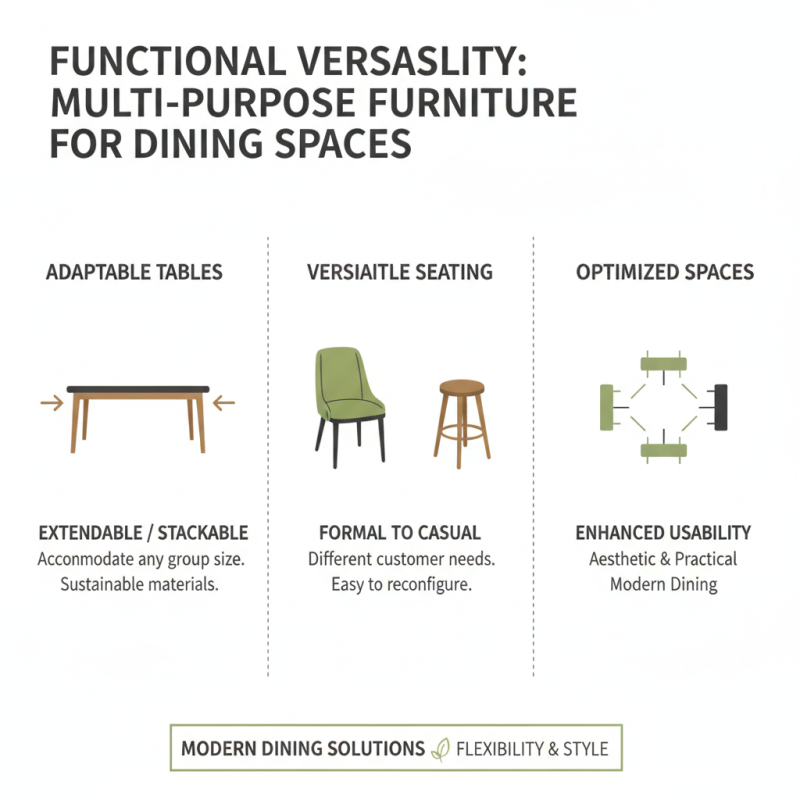
In modern dining spaces, the shift towards functional versatility is evident. Multi-purpose furniture is becoming essential. These pieces can adapt to various dining scenarios, enhancing both aesthetics and usability. Tables that extend or stack are gaining popularity, often crafted from sustainable materials. They offer flexibility, allowing for intimate gatherings or larger events. Additionally, seating options need to reflect diversity. Chairs that can transition from formal to casual settings enable restaurant owners to cater to different customer needs.
The importance of design in multi-purpose furniture cannot be overlooked. Innovative designs can create a balance between comfort and function. For instance, modular sofas that double as storage units help maximize limited space. They provide solutions for small restaurants struggling with storage issues. However, some designs may prioritize style over comfort, causing concerns for long-term use. It’s essential to consider the wear and tear of materials, especially in high-traffic areas.
Creating a cohesive and inviting atmosphere is crucial. Restaurant owners need to ensure that their multi-functional furniture harmonizes with the overall theme. However, achieving this can be challenging. Some combinations may clash or feel disjointed. Paying close attention to color and texture can alleviate these issues. Balancing practicality with aesthetic appeal requires careful thought and testing. The goal is to invite diners in while providing a seamless experience.