How to Choose the Best Study Table in 2026?
Choosing the best study table in 2026 requires more than comparing colors and prices. A desk must support posture, concentration, storage, and changing technology. It should fit the user, not merely fit the room.
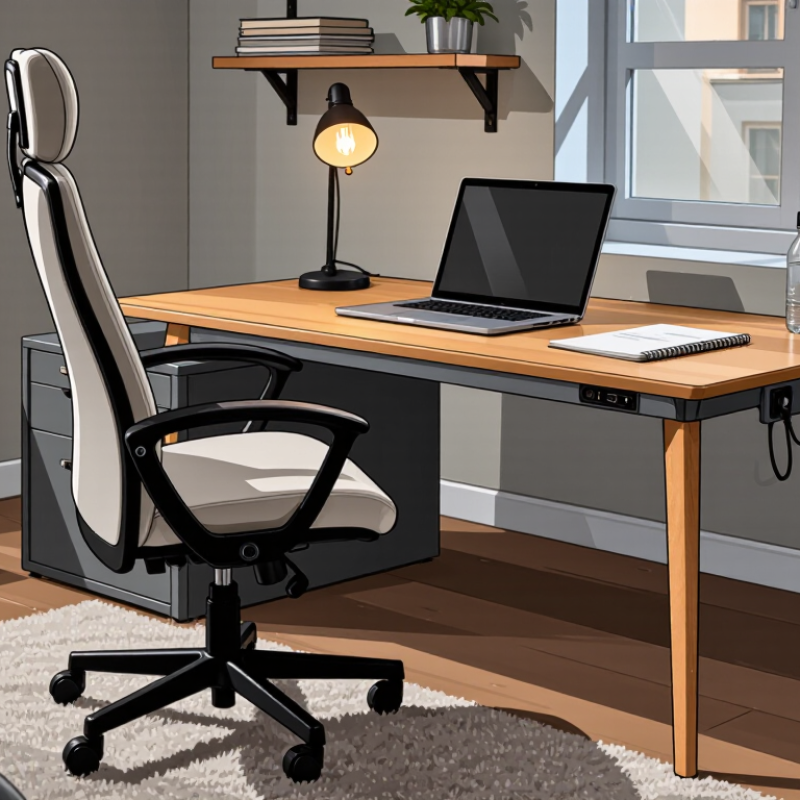
Grand View Research’s 2024 home office furniture analysis identifies continued demand for compact, flexible workstations. That trend matters for students living in smaller bedrooms. The right desk may need space for a laptop, notebook, lamp, and water bottle. It should also leave enough legroom for natural movement. OSHA’s computer workstation guidance recommends neutral wrist positions, relaxed shoulders, and screen placement that limits neck strain. These details are easy to overlook.
The phrase Study Table Study Table may attract search traffic, but practical decisions need stronger evidence. OECD’s PISA 2022 research shows that learning environments influence how students engage with schoolwork, although furniture alone cannot guarantee better results. A stable surface, readable lighting, and reduced visual clutter can still make daily study easier. Small gains matter.
Measure the chair first. Then measure the room. A table that looks elegant online may feel cramped after one week. I have found that cable holes, drawer strength, and edge comfort often matter more than glossy finishes. My own judgment is not perfect, either. Some buyers may prefer standing adjustment, while others need a fixed, quiet workspace. This guide compares dimensions, materials, ergonomics, durability, and value, while acknowledging that the best choice depends on real habits, body size, and available space.
Define Your Study Needs and Available Space
Choosing the best study table in 2026 starts with defining how you actually study. A laptop-only learner needs less depth than someone using textbooks, notes, and a lamp. Measure your screen, notebook, and writing area together. Leave at least a hand’s width for movement. Measure twice. A table around 120 centimeters wide often suits mixed tasks, but your materials matter more than a standard size. If you attend long sessions, prioritize legroom and a surface that keeps your wrists relaxed.
Available space changes the decision. Mark the table’s footprint with masking tape before buying. Open drawers, chair movement, and door clearance all need room. In a narrow bedroom, a shallow rectangular table may work better than a large corner design. Keep the walkway clear. Check window glare during afternoon study, not only in the morning. Natural light can help, yet direct glare may cause poor posture and constant squinting.
Your routine should guide storage choices. Choose one drawer for chargers, one open area for current books, and fewer crowded compartments. I once selected a deep table for extra storage, then lost useful leg space. That mistake made longer sessions uncomfortable. An adjustable-height option can support changing tasks, but it may reduce stability or increase cost. Check the frame, edge finish, and load capacity. Sit at the table for ten minutes if possible. Notice shoulder tension, knee contact, and whether your notebook stays within easy reach.
Compare Desk Sizes, Shapes, and Surface Materials
How to Choose the Best Study Table in 2026?
Desk size should match your daily work, not only your room. A 100-centimeter desk suits a laptop, notebook, and small lamp. For a monitor, textbooks, and writing space, choose about 120 to 140 centimeters. Keep at least 60 centimeters of depth for comfortable viewing distance. Measure the chair area too. I once bought a desk that fit the wall, but left no space to move my knees.
Shape changes how efficiently you study. A rectangular table works well in bedrooms and shared spaces. An L-shaped design creates separate zones for reading and computer work. It needs more floor space, though. Corner desks can save unused room, but their rear corners may become difficult to clean. Rounded edges feel safer in busy homes. They also reduce useful surface area slightly.
Surface material affects comfort, maintenance, and long-term value. Solid wood feels warm and can handle years of use, but it may show scratches and moisture marks. Laminate is easy to clean and often resists stains, although its edges can peel after poor installation. Tempered glass looks open and modern, yet reflects light and reveals fingerprints quickly. A matte finish usually reduces glare during evening study. I prefer a smooth, non-slippery surface, but preferences differ. A desk can look perfect online and feel wrong after two hours of writing. Test the height, edge comfort, and legroom before deciding.
Balance Quality, Features, and Budget Before Buying
Choosing a study table requires more than attractive photographs. Measure your room, chair height, and walking space before shopping. Quality starts with stability, safe materials, and accurate construction. Press each corner gently. A sturdy frame should not wobble or creak. Look for strong joints, a smooth surface, and rounded edges. These details matter during long study sessions.
Features should solve real problems, not merely increase the price. Adjustable height can support better posture as your body changes. A wide tabletop leaves space for books, a laptop, and a writing pad. Cable openings reduce clutter, while one shallow drawer can protect small supplies. I once chose a table with many compartments and little legroom. It looked practical, but daily use proved otherwise. Function matters more than novelty.
Set a complete budget before comparing models. Include delivery, assembly tools, and possible accessories. A cheaper table may need repairs sooner, but a costly design can also waste money. Cheap can become expensive. Read the material details, weight capacity, dimensions, and return conditions carefully. If possible, inspect the table in person and test its height adjustment. Online reviews can reveal repeated problems, though they may not match your room or habits. Leave some budget for a supportive chair and suitable lighting. A perfect table cannot correct every poor study setup.
How to Choose the Best Study Table in 2026? - Balance Quality, Features, and Budget Before Buying
A practical comparison of common study table configurations based on space, durability, ergonomics, and total cost.
| Table Type |
Typical Price Range |
Recommended Size |
Main Material |
Load Capacity |
Height Adjustment |
Useful Features |
Best For |
Expected Service Life |
Value Rating |
| Compact Writing Desk |
US$70–150 |
100–120 × 50–60 cm |
Engineered wood with steel legs |
40–60 kg |
Usually fixed |
Cable opening, small drawer, scratch-resistant surface |
Small rooms, students, basic computer use |
5–8 years |
Excellent |
| Drawer Study Desk |
US$120–250 |
120–140 × 60–70 cm |
Particleboard or MDF with laminate |
50–80 kg |
Usually fixed |
Two or three drawers, keyboard space, cable management |
Daily study, homework, and office tasks |
6–10 years |
Very Good |
| Solid Wood Study Table |
US$220–500 |
120–160 × 60–80 cm |
Rubberwood, beech, oak, or other hardwood |
70–120 kg |
Usually fixed |
Stable frame, repairable surface, optional drawers |
Long-term home use and premium interiors |
10–20 years |
Excellent |
| Manual Adjustable Desk |
US$180–400 |
120–160 × 60–80 cm |
Steel frame with MDF or bamboo top |
60–100 kg |
Crank or hand-adjusted, approximately 70–118 cm |
Sit-stand use, locking feet, cable tray |
Users who want posture flexibility without a motor |
8–12 years |
Very Good |
| Electric Standing Desk |
US$300–700 |
120–180 × 60–80 cm |
Powder-coated steel with laminated top |
70–120 kg |
Motorized, approximately 70–125 cm |
Memory presets, anti-collision protection, cable tray |
Long study sessions and mixed sitting-standing work |
7–12 years |
Good |
| L-Shaped Corner Desk |
US$180–450 |
140–180 × 120–150 cm |
Engineered wood with metal support |
60–100 kg |
Usually fixed |
Large work area, shelving, monitor space, storage options |
Multiple monitors, textbooks, and shared tasks |
6–10 years |
Very Good |
| Folding Study Table |
US$40–120 |
80–120 × 40–60 cm |
Steel tube frame with laminate or plastic top |
15–40 kg |
Limited or manually adjustable |
Foldable legs, lightweight construction, easy storage |
Temporary use, dormitories, and small apartments |
3–6 years |
Excellent for Low Budgets |
Buying Checklist
Choose a tabletop at least 100 cm wide for basic study, 120–140 cm for a computer and books, and 150 cm or more for multiple monitors. A desk height near 72–75 cm suits many adults, while adjustable models provide better flexibility. Confirm the actual load rating, available legroom, assembly requirements, return policy, and warranty before buying.