Why Choosing the Right Chair Can Improve Your Health and Productivity?
Choosing the right chair is not just about comfort; it's about health and productivity. Dr. Sarah Thompson, an ergonomic specialist, once stated, "A good chair can change your work life entirely." This sentiment resonates in today’s fast-paced environment, where many spend hours seated.
An ergonomic chair supports better posture, reduces tension, and minimizes the risk of musculoskeletal disorders. Many people overlook these factors when selecting a chair. Instead, they focus solely on aesthetics and price. However, the consequences of poor seating can lead to increased fatigue and distractions.
Investing time in choosing the right chair pays off. It enhances focus and boosts overall efficiency. In our pursuit of productivity, many forget how significant the right chair can be. It’s more than just a seat; it’s a step toward a healthier work life.
Understanding the Importance of Ergonomics in Chair Design
Choosing the right chair can have a significant impact on your overall well-being and productivity. Ergonomics is essential in chair design to support your body’s natural posture. A well-designed chair encourages you to sit up straight, reducing strain on your back and neck. When you sit in a chair that fits you well, it can enhance blood circulation and increase your focus.
The features of ergonomic chairs make a difference. Look for adjustable seat height and lumbar support. A chair that allows you to customize these aspects can help prevent fatigue. Many people overlook the importance of armrests. Properly positioned armrests can relieve shoulder tension. These details, while sometimes minor, can greatly enhance comfort over hours of sitting. It’s common for individuals to invest in cheap chairs initially. However, discomfort often forces them to buy a better chair later.
Reflecting on your work habits is crucial. Are you finding yourself frequently shifting or slouching? This often indicates your chair might not be suitable. Investing time to choose a better chair is not just about comfort. It’s also about creating a healthier workspace that fosters productivity. Consider how your current chair influences your ongoing work. Your body will thank you in the long run.
How Seating Choices Affect Physical Health and Well-Being
Choosing the right chair is essential for our physical health and overall well-being. A poorly designed chair can lead to discomfort and chronic pain. Many people experience back issues from sitting for long periods. In fact, studies show that inadequate seating increases the risk of musculoskeletal disorders.
Good seating supports the spine’s natural curve. Ergonomic chairs promote better posture and alignment. They can reduce strain on your body, enhancing your work experience. Moreover, well-designed chairs encourage movement. Shifting positions can prevent stiffness and improve blood flow.
However, not everyone invests in quality seating. Some settle for cheap options that compromise their health. It’s worth reflecting on how often we prioritize comfort over aesthetics in our workspace. Small changes, like switching chairs, can make a significant difference. Comfort should not be an afterthought—it is a necessity for both productivity and well-being.
The Impact of Chair Comfort on Focus and Efficiency at Work
Choosing the right chair is more than just a comfort issue; it profoundly impacts focus and efficiency at work. Studies show that proper ergonomic seating can enhance productivity by up to 10%. A well-designed chair supports posture, reducing fatigue and discomfort often experienced during long hours. According to the National Institute for Occupational Safety and Health, about 60% of office workers report discomfort that affects their work performance.
The correlation between chair comfort and cognitive performance is significant. Research indicates that employees in comfortable chairs can concentrate better and perform tasks with fewer errors. A comfortable seating arrangement reduces distractions, allowing for deeper focus. Yet many workplaces neglect this vital aspect of employee wellbeing. A survey from the American Psychological Association found that 70% of employees feel their workspace contributes to their discomfort.
Switching to ergonomic chairs may seem like a minor adjustment, but the implications are profound. Poor seating can lead to lower morale and decreased output. Investing in proper chairs might seem costly initially. Yet, the potential returns in productivity and employee satisfaction can far outweigh the investment. Thoughtful design in workplace seating may be a simple step, but its effects can ripple through an entire organization.
Impact of Chair Comfort on Focus and Productivity
Key Features to Look for When Selecting a Health-Conscious Chair
Choosing the right chair plays a significant role in your health and productivity. Researchers indicate that an ergonomic chair can reduce back pain by up to 40%. This highlights the importance of lumbar support. A chair that supports your lower back encourages proper posture, maximizing comfort during long hours of work.
Look for adjustable features. Height, armrests, and seat depth should be customizable to fit your body type. Studies show that only 50% of office workers adjust their chairs. This neglect can lead to physical strain. A chair that fits your unique shape can improve blood circulation and lessen fatigue.
Material is another crucial factor. Breathable fabrics help regulate temperature, which can enhance focus. A report from the Human Factors and Ergonomics Society noted that discomfort from heat can lead to a 10% drop in productivity. Remember, investing in your chair is investing in yourself. Consider these aspects carefully to create a healthier work environment.
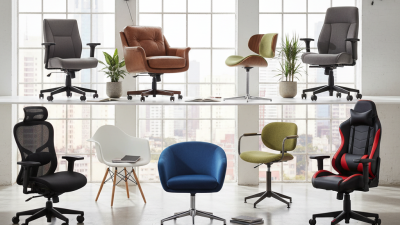
Balancing Aesthetics and Functionality in Office Chair Selection
Selecting an office chair involves more than just appearance. Aesthetic appeal is vital, but functionality must take precedence. An industry report by the American Chiropractic Association shows that 80% of Americans experience back pain at some point. This highlights how poor chair selection can lead to health issues. A chair should support the spine and promote good posture.
Moreover, a well-designed chair can enhance productivity. According to a study published in the Journal of Occupational Health Psychology, ergonomic chairs can increase employee focus by 15%. However, many overlook proper fit for style. Unique designs may be tempting but can detract from essential support features. Finding the right balance between visual appeal and necessary functionality is crucial.
Comfort should never be compromised for aesthetics. For example, a chair may look sleek but lack lumbar support, leading to discomfort. Even the most attractive options could contribute to reduced productivity if they don’t fit well. It’s essential to test a chair thoroughly before making a decision. Take time to reflect on what works best for your body. Making informed choices about office furniture can have a lasting impact on both health and productivity.
Why Choosing the Right Chair Can Improve Your Health and Productivity? - Balancing Aesthetics and Functionality in Office Chair Selection
| Chair Type |
Health Benefits |
Productivity Impact |
Design Aspects |
Price Range |
| Ergonomic Chair |
Reduces back pain, improves posture |
Enhances focus, encourages longer sitting periods |
Adjustable features, modern design |
$300 - $700 |
| Task Chair |
Encourages movement, more versatile |
Promotes quick task completion |
Compact, functional aesthetic |
$150 - $400 |
| Executive Chair |
Provides lumbar support, reduces fatigue |
Improves decision-making, enhances leadership presence |
Luxurious materials, impressive design |
$500 - $1000 |
| Mesh Chair |
Improves airflow, reduces sweat |
Keeps you cool and focused |
Sleek and stylish, minimalistic design |
$200 - $500 |