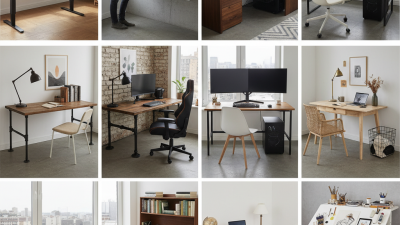
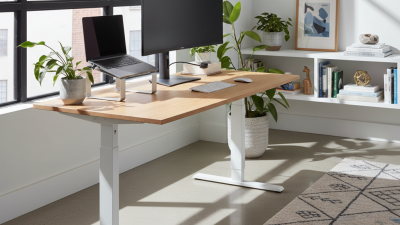
10 Essential Tips for Organizing Your Office Desk Efficiently
An organized office desk is crucial for productivity. According to the International Data Corporation (IDC), workers lose up to 2.5 hours weekly searching for documents. A cluttered workspace contributes to this frustration. In contrast, an efficient desk arrangement can enhance focus and streamline workflows.
Research from the National Institute of Mental Health (NIMH) shows that disorganization can lead to increased stress levels. When an office desk is tidy, employees feel more in control. This boosts morale and promotes a positive workplace culture. An estimated 70% of employees report higher productivity with a well-organized space.
Investing time in desk organization may seem minor, yet its impact is significant. Simple changes can make a big difference. Regularly assessing the items on your desk can lead to improvements. A clean office desk not only looks better but also functions better. Ignoring this can lead to ongoing distraction and inefficiency. Reflecting on your current setup might reveal opportunities for impactful changes.
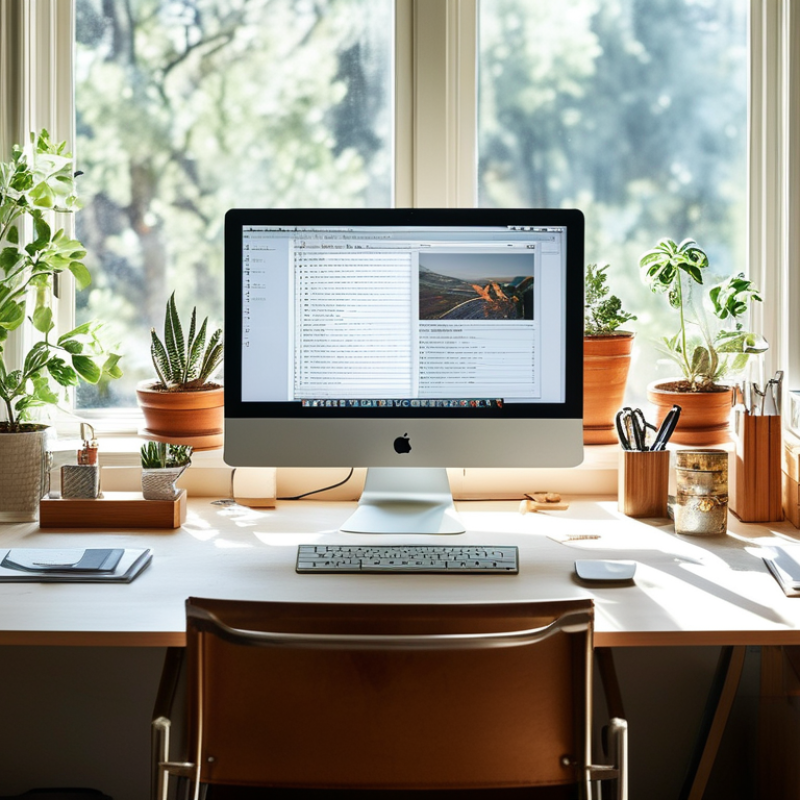
Tips for Decluttering: The 80/20 Rule in Office Organization
Clutter can overwhelm your workspace, impacting your focus and productivity. Understanding the 80/20 rule can significantly aid in decluttering. This principle suggests that 80% of your results come from 20% of your efforts. In the office context, you often use a small fraction of your supplies and tools regularly. Focus on those key items.
Research indicates that a well-organized workspace can boost productivity by up to 25%. This underscores the importance of prioritizing essential items on your desk. Evaluate what you truly need. Papers that remain untouched for weeks are often distractions. Identify which documents and tools support your daily tasks.
Try dedicating fifteen minutes daily to declutter. During this time, remove items that don't serve a purpose. Create a filing system for vital documents. Use digital platforms for record-keeping to minimize paper clutter. Remember, not every item needs immediate attention. Some things can wait, and that’s perfectly fine. Reflecting on this can help maintain a healthy workspace level.
Maximizing Workspace: Ergonomic Desk Setup for Productivity
Creating an ergonomic desk setup is essential for boosting productivity. A well-organized space can reduce strain and enhance focus. Start by adjusting your chair height.
Your feet should rest flat on the ground. This simple tweak can make a big difference.
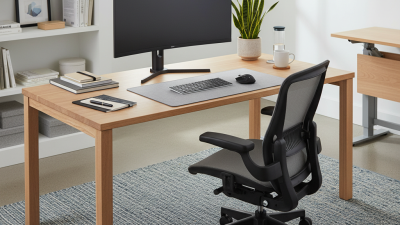
Next, arrange your keyboard and monitor to minimize neck strain. Keep your monitor at eye level. This reduces the temptation to hunch over. An ergonomic keyboard can also improve your wrist position. Consider using a mat that supports your feet. This small addition can encourage better posture throughout your day.
When organizing your desk, consider decluttering. Remove items that you rarely use. Limit the number of pens and papers on your desktop. Aim for a clean, open workspace. It allows for clearer thinking. Lastly, don’t be afraid to rearrange from time to time. What worked last month may not suit your needs now. Regular reflection helps maintain an efficient setup.
Digital Organization: Managing Files for Efficiency
Digital organization is essential for maintaining efficiency in any workspace. Start by decluttering your digital files. Examine your folders and remove items you no longer need. Consider creating a dedicated folder for temporary files that can be regularly cleaned out. This helps in reducing digital clutter and allows important files to stand out.
Use a consistent naming convention for your files. This simple practice can save time when searching for documents. Try using dates, project names, or keywords. Additionally, invest time in categorizing your files. Group similar documents together. This will make it easier to locate specific files when needed.
Regularly back up your files to prevent data loss. A missed backup can lead to frustration and wasted time. Consider using a cloud service or external hard drive for added security. Reflect on your digital organization habits every few months. Adjust your system as needed to reflect changes in your work processes or priorities. Embrace this ongoing process; it can lead to a more organized and efficient digital workspace.
Office Desk Organization Efficiency
Time Management: The Pomodoro Technique for Daily Tasks
The Pomodoro Technique is a powerful tool for time management that can enhance focus and productivity. Developed by Francesco Cirillo in the late 1980s, this method employs timed intervals of work followed by short breaks. Research indicates that using the Pomodoro Technique can increase productivity by up to 25%. This method breaks tasks into manageable chunks, allowing individuals to maintain high levels of concentration.
One effective tip for using the Pomodoro Technique is to set a timer for 25 minutes, fully committing to work on a specific task. After that, take a five-minute break to recharge. During this break, step away from your desk to clear your mind. This simple practice can help refresh your brain and boost creative problem-solving. Adjustments can be made, as some people may prefer 15 or 30-minute intervals.
Another element to consider is the potential for distractions. Research has shown that interruptions can significantly reduce productivity. Therefore, create an environment that minimizes distractions. Keep only essential items on your desk, and use noise-canceling headphones if needed. Refine your workspace often and ask yourself how it impacts your focus. It’s okay to take time to find what works best for you.
10 Essential Tips for Organizing Your Office Desk Efficiently
| Tip Number |
Tip Description |
Benefits |
| 1 |
Declutter regularly by removing unnecessary items. |
Improves focus and creates a calming environment. |
| 2 |
Use organizers to keep supplies in order. |
Enhances efficiency by making items easily accessible. |
| 3 |
Keep a digital task list to manage daily tasks. |
Reduces stress by providing a clear outline of tasks. |
| 4 |
Utilize the Pomodoro Technique for time management. |
Increases productivity through focused work sessions. |
| 5 |
Label cables and chargers to avoid tangling. |
Saves time when searching for connections. |
| 6 |
Incorporate plants for a lively workspace. |
Improves air quality and boosts mood. |
| 7 |
Ensure proper lighting to reduce eye strain. |
Enhances comfort and productivity. |
| 8 |
Schedule breaks to avoid burnout. |
Keeps energy levels steady throughout the day. |
| 9 |
Personalize your workspace to inspire creativity. |
Increases motivation and job satisfaction. |
| 10 |
End-of-day clean-up to prepare for tomorrow. |
Creates a fresh start for the next day. |
Sustainability Practices: Eco-Friendly Office Supplies Choices
Creating an eco-friendly office starts with choosing sustainable supplies. Many conventional office products cause pollution and harm the environment. Instead, opt for recycled paper and biodegradable pens. Such choices reduce waste and promote sustainability.
Consider using digital tools to minimize paper usage. Cloud storage helps store documents without printing. Electronic signatures eliminate the need for physical copies. These methods not only save resources but also declutter your desk.
Choosing eco-friendly furniture can make a big difference too. Look for items made from sustainable materials. Bamboo or reclaimed wood desks are excellent options. However, finding truly sustainable furniture can be challenging. It's essential to research before purchasing. Small changes can lead to a healthier planet. Remember, every choice counts.