Top Trends in Office Furniture Design and Functionality in 2026?
In 2026, the landscape of office furniture is poised for remarkable changes. Industry expert John McGregor, a renowned designer in office environments, once stated, “The future of office furniture will prioritize adaptability and wellness.” This insight underlines a crucial trend as workplaces evolve to support diverse working styles.
As remote work blurs traditional boundaries, office furniture must adapt accordingly. Flexibility and multifunctionality are key. Desks that convert to standing options and chairs designed for long hours are becoming essentials. The focus on wellness also shapes design choices, emphasizing ergonomics and sustainable materials.
However, not all innovations are flawless. Some new materials may lack durability, impacting longevity. While aesthetics are important, functionality should never be compromised. Each piece of office furniture must align with evolving employee needs. Thus, as we anticipate the trends of 2026, the theme of adaptability in office furniture design remains paramount.
Emerging Technologies Influencing Office Furniture Design in 2026
As we approach 2026, office furniture design is being radically transformed by emerging technologies. The rise of smart furniture is reshaping our workspaces. As reported by the Global Workplace Analytics, 80% of employees express a desire for more adaptable office environments. This highlights the demand for furniture that can evolve with changing work styles.
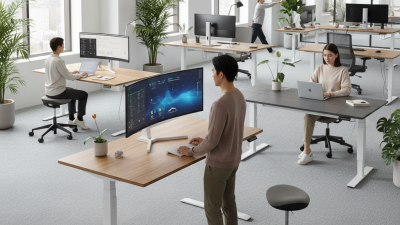
Incorporating smart technology can enhance functionality. For instance, height-adjustable desks promote better posture and engagement. A study by the American Journal of Public Health found that standing desks can reduce back pain by 54%. Such innovations not only improve health but also productivity.
However, integrating technology can lead to complexities. Ensuring usability should be a priority, as overly complicated designs may hinder rather than help.
Tips: When selecting office furniture, prioritize versatility. Look for pieces that can serve multiple functions. Investing in technology-enhanced items can improve workflow but consider user-friendliness. Always evaluate how the furniture fits into the overall office space. There's beauty in simplicity, and sometimes less is more. Balancing modern features with practicality is key.
Sustainable Materials and Eco-Friendly Practices in Office Furniture
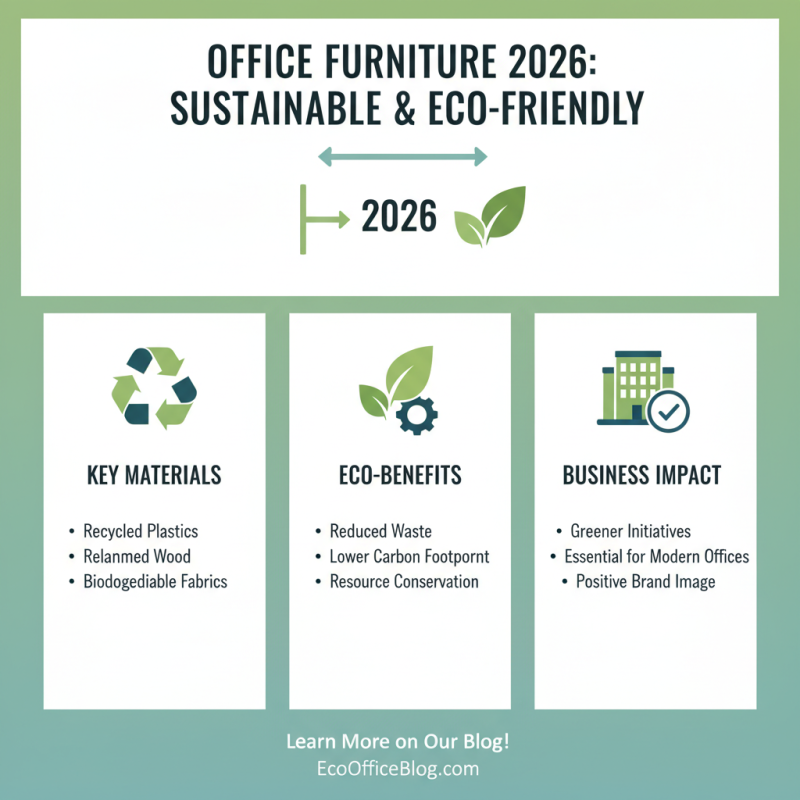
In 2026, the focus on sustainable materials in office furniture is stronger than ever. Designers are prioritizing eco-friendly options. Recycled plastics, reclaimed wood, and biodegradable materials are increasingly used. These materials not only reduce waste but also minimize the carbon footprint of production processes. As businesses aim for greener initiatives, sustainable furniture becomes essential.
The trend towards eco-friendly practices extends beyond materials. Manufacturers are now embracing energy-efficient production techniques. Many companies are revamping supply chains to lower environmental impact. However, challenges persist. The availability of sustainable materials can be inconsistent, making it difficult for designers. Additionally, the cost of eco-friendly options can deter businesses from fully committing.
Employing sustainable furniture goes beyond aesthetics; it reflects corporate responsibility. Workspaces designed with eco-friendly principles promote employee well-being too. Natural materials enhance office aesthetics while improving air quality. Yet, adopting these practices requires ongoing effort and reflection. Businesses must ask difficult questions about sourcing and long-term sustainability. In this evolving landscape, the journey toward greener furniture is just beginning.
Flexible and Modular Workspace Solutions: The Future of Office Design
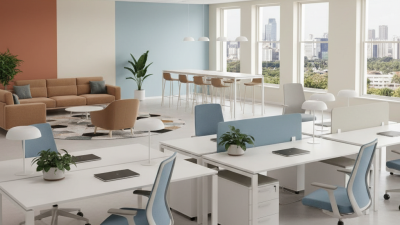
The future of office design is shifting toward flexible and modular workspace solutions. This trend reflects the need for adaptability in dynamic work environments. With remote work becoming commonplace, traditional layouts no longer meet the demands of a modern workforce. Modular furniture allows for easy reconfiguration, enabling teams to create spaces that cater to their specific needs.
Open spaces will blend with private areas. Designers are focusing on creating zones that foster collaboration and focus. Movable walls and furniture pieces can easily adjust to accommodate different activities. This promotes both social interaction and personal concentration. However, the balance between these areas can be challenging. Some workers may feel overwhelmed in open spaces. Others might find closed environments too isolating.
Attention to detail is essential. Ergonomic designs will continue to be a priority. Sustainable materials will also influence choices. Each piece of furniture should not only look good but serve a functional purpose. Designers and companies need to reflect on their decisions. Are they truly enhancing productivity and well-being? The journey toward perfecting workspace design is ongoing.
Ergonomic Innovations for Enhanced Employee Well-Being and Productivity
In 2026, office furniture design focuses heavily on ergonomic innovations. These designs aim to enhance employee well-being while boosting productivity. Ergonomics integrates science into the workspace, ensuring comfort and efficiency. Height-adjustable desks become essential, allowing employees to shift between sitting and standing easily.
Tips for creating an ergonomic workspace: Invest in chairs that support healthy posture. Look for those that offer lumbar support. Incorporate accessories like footrests and monitor risers. These small changes significantly impact comfort and focus.
Another trend is modular furniture. This flexibility allows customization based on team needs. Employees can rearrange their spaces for collaboration or quiet work. Reflecting on personal workspace preferences can help refine your design choices. Not everyone will find the same layout comfortable. Adjustments may be necessary for the ideal setup.
Top Trends in Office Furniture Design and Functionality in 2026
| Trend |
Description |
Impact on Employee Well-Being |
Expected Adoption Rate (%) |
| Adjustable Desks |
Desks that can be adjusted to multiple heights for sitting or standing positions. |
Promotes better posture and reduces back pain. |
75% |
| Collaborative Workspaces |
Open design areas that encourage teamwork and social interaction. |
Enhances creativity and communication among employees. |
70% |
| Biophilic Design |
Incorporation of natural elements like plants and natural light in furniture. |
Reduces stress and boosts mood through nature exposure. |
65% |
| Soundproof Furniture |
Furniture designed to minimize noise in the workplace. |
Improves concentration and reduces distractions. |
60% |
| Smart Furniture |
Furniture equipped with technology to monitor health metrics. |
Supports health awareness and proactive wellness measures. |
50% |
Trends in Aesthetic Design: Color, Style, and Functionality in Workspaces
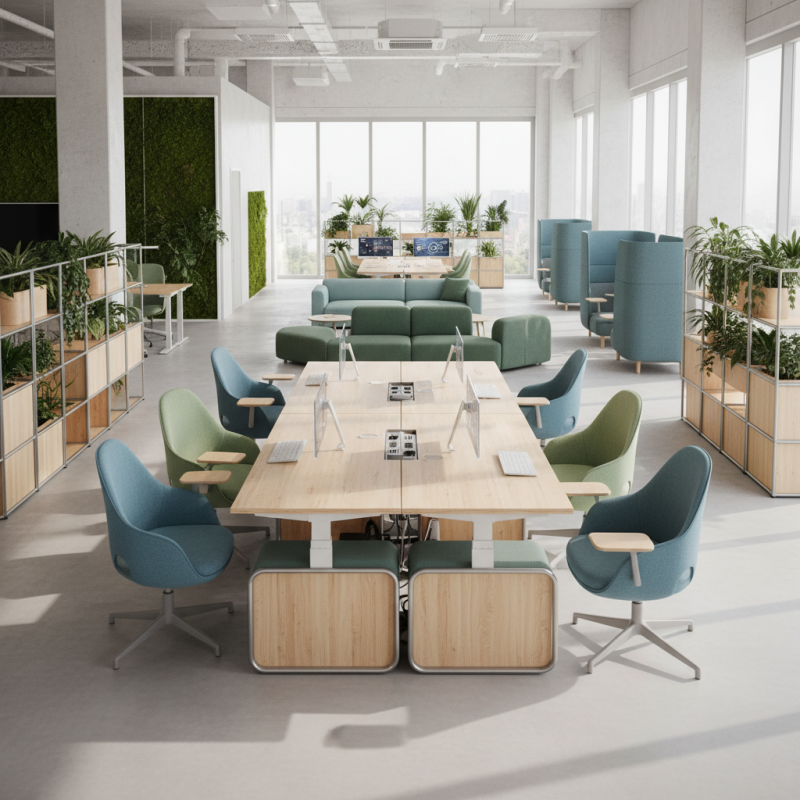
As we look towards 2026, the aesthetic design of office furniture continues to evolve. Color palettes are shifting towards natural, earthy tones. Shades like moss green and clay are emerging as popular choices. These colors help create a calm atmosphere, promoting productivity and reducing stress.
The choice of style is similarly significant. Organic shapes and soft lines are replacing sharp edges. This trend reflects a desire for comfort in the workspace.
Functionality remains crucial in office design. Multi-purpose furniture is becoming standard. For example, desks that convert into standing workstations are increasingly favored. They encourage movement, improving health and focus. Moreover, technology integration is key. Furnishings now commonly feature built-in charging ports and data hubs, streamlining workflow. However, achieving a balance between aesthetics and functionality can be challenging. It requires thoughtful planning and investment.
The impact of remote work is reshaping our offices. Flexible layouts are in demand. Spaces must adapt to various tasks, from collaborative meetings to quiet solo work. This shift might lead to aesthetic compromises. Striking the right balance between beauty and usability requires constant reflection. As we design for the future, the challenge remains: how to create an inviting workspace that supports our diverse needs.