Top 10 Tips for Choosing Office Furniture for Your Business?
Choosing the right office furniture can make a significant difference in your work environment. Office furniture is not just about aesthetics; it impacts productivity and employee well-being. A well-designed space encourages collaboration and creativity, whereas poor choices can lead to discomfort and decreased morale.
When selecting office furniture, consider functionality and style. The right desk can improve workflow. An ergonomic chair promotes better posture, reducing health issues over time. Remember, you have options. Modern designs offer flexibility and adapt to various needs. This is crucial for today’s dynamic workplace.
However, keep in mind budget constraints and space limitations. Not every purchase will meet your expectations. It’s essential to reflect on your choices. Think about products that will stand the test of time. Invest wisely, and your office furniture will serve you well for years to come.
Understanding Your Office Space and Layout Needs
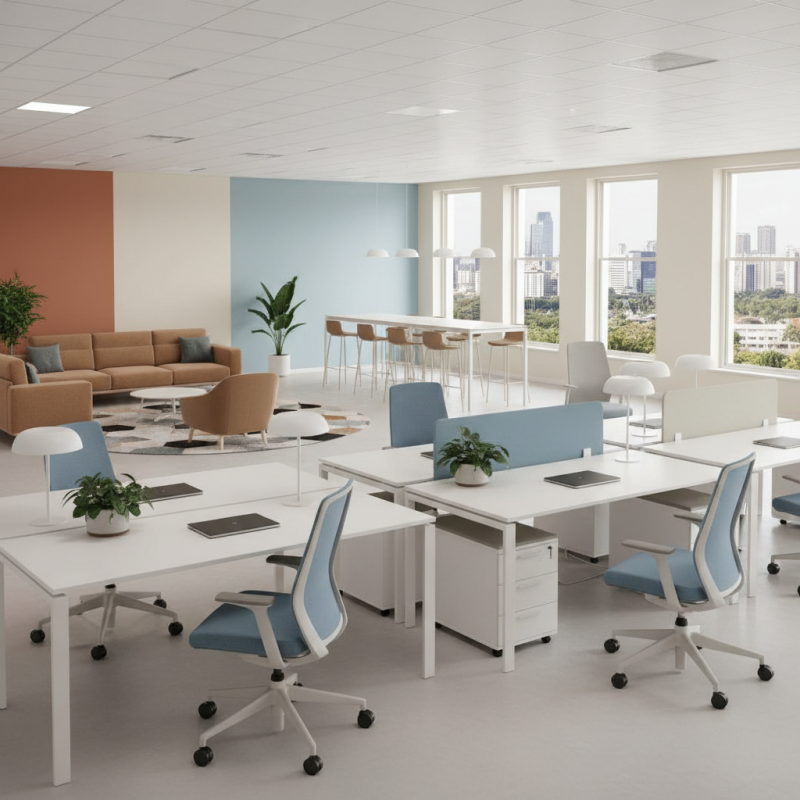
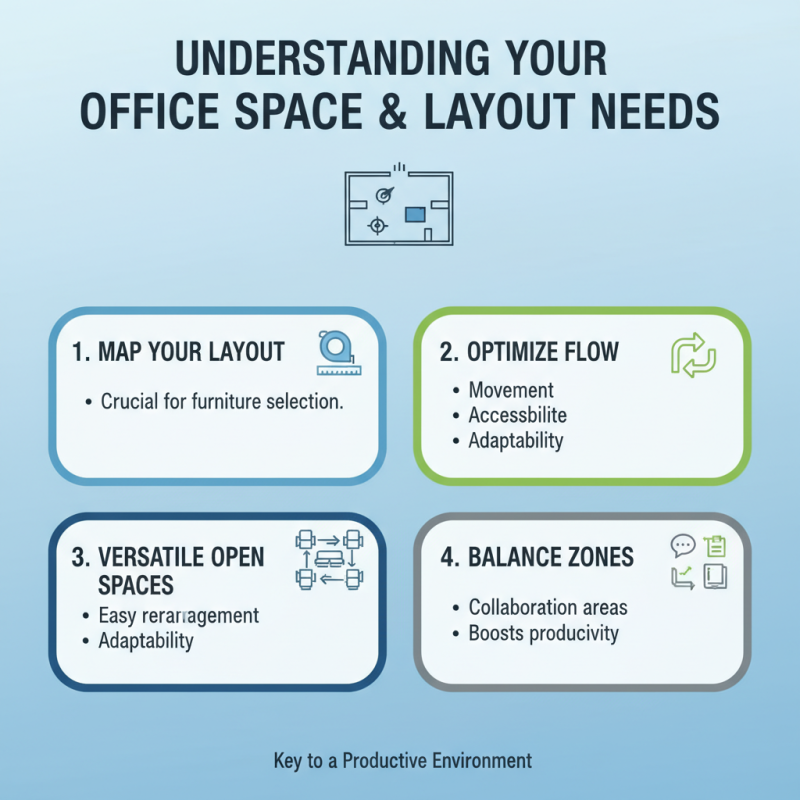
When selecting office furniture, understanding your office space is crucial. Map out your layout. Consider the flow of movement. Open spaces benefit from versatile furniture that can be easily rearranged. Divide areas for collaboration and quiet work. This balance is essential to productivity.
Analyze the size of your office. Larger spaces allow for expansive layouts. Smaller offices require compact solutions. Think about vertical storage options. Shelves can help utilize space efficiently. Ensure that furniture does not overcrowd. This can lead to an uncomfortable work environment.
Pay attention to the height of furniture. Desks should accommodate various employee heights. Chairs must support lumbar health. Create a balance between aesthetics and function. Sometimes, a beautiful piece may lack practicality. Assess durability and ease of maintenance. Regular updates or replacements can become costly.
Identifying the Functional Requirements for Different Areas
When choosing office furniture, it's essential to understand the functional requirements of different areas in your workspace. Each space has unique needs that impact employee productivity and comfort. For instance, collaborative zones require furniture that fosters interaction. Think about chairs and tables that can be easily rearranged. Open spaces benefit from modular furniture for flexibility.
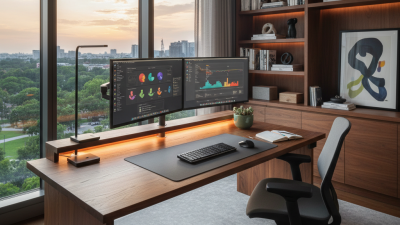
Private offices need pieces that support focused work. Consider desks with ample storage and ergonomic chairs. Adequate lighting is crucial. Task lamps and natural light can enhance concentration. Break rooms should feature comfortable seating and tables for relaxation. A well-designed kitchen area encourages employees to recharge.
Reflecting on your choices is also vital. Does the furniture support your team's activities? Are you incorporating sustainable materials? By evaluating functionality, you'll create a workspace that is not only appealing but also efficient. Consider feedback from employees to make necessary adjustments. A well-furnished office contributes to overall satisfaction and productivity.
Top 10 Tips for Choosing Office Furniture for Your Business
Choosing Ergonomic Furniture for Improved Comfort and Productivity
Choosing ergonomic furniture is vital for a productive workplace. Comfort enhances focus, which can boost overall performance. Uncomfortable seating can lead to fatigue, reducing efficiency. Investing in ergonomic solutions pays off through improved employee satisfaction and retention.
When selecting office furniture, consider adjustable chairs and desks. Adjustability caters to individual needs. Employees should be able to modify their workspace easily. Look for features like lumbar support, which can reduce back pain. Proper desk height is essential. Employees should work with their forearms parallel to the floor.
Pay attention to the layout of your workspace. A clutter-free environment can enhance productivity. Ensure there's enough room for movement. Regularly evaluate how your choices impact employee well-being. Feedback is crucial for continuous improvement. Creating a supportive environment leads to a happier, more productive team.
Selecting Durable Materials for Long-Term Investment
When selecting office furniture, durability should be at the forefront of your decision-making process. High-quality materials often determine how long your furniture lasts. Look for solid wood, metal frames, or high-grade plastic. These options tend to withstand the wear and tear of daily use. While they may have a higher upfront cost, the investment pays off over time.
Consider the environment where the furniture will be used. For instance, if you have an active office, choose materials that resist scratches and dents. Fabrics should be easy to clean and maintain. Examine warranties offered by manufacturers. A longer warranty often indicates confidence in the product's durability. However, remember that a good warranty doesn't replace your responsibility to care for your furniture.
Evaluate the balance between style and practicality. An elegant design might catch your eye, but it may not be the best choice for a bustling office. Reflect on the needs of your employees and clients. In some cases, a more utilitarian piece may enhance productivity. Challenge yourself to find furniture that merges aesthetics with function while still being sturdy enough to handle daily demands.
Top 10 Tips for Choosing Office Furniture for Your Business - Selecting Durable Materials for Long-Term Investment
| Tip Number |
Tip |
Material Recommendations |
Durability Rating (1-10) |
| 1 |
Assess Your Needs |
Wood, Steel |
9 |
| 2 |
Consider Ergonomics |
Mesh, Foam |
8 |
| 3 |
Evaluate Style and Aesthetic |
Laminate, Solid Wood |
7 |
| 4 |
Check Warranty Information |
Steel, Aluminum |
8 |
| 5 |
Opt for Quality over Price |
Hardwood, High-Density Foam |
9 |
| 6 |
Think About Future Needs |
Flexible, Durable Plastics |
7 |
| 7 |
Select Eco-Friendly Options |
Bamboo, Recycled Materials |
8 |
| 8 |
Prioritize Easy Maintenance |
Vinyl, Melamine |
7 |
| 9 |
Research User Reviews |
Quality Upholstered Fabrics |
9 |
| 10 |
Plan for Space Efficiency |
Compact Wood, Modular components |
8 |
Establishing a Budget and Finding Furniture Within Your Price Range
Establishing a budget is crucial when selecting office furniture. Doing so helps narrow down choices quickly. Begin by assessing your overall financial capacity. Determine how much you can spend without straining your resources. This will guide you in selecting pieces that meet your needs without overspending.
Consider both initial costs and future expenses. Some furniture may look appealing but can be costly to maintain. Cheaper options can wear out quickly, eventually leading to replacement costs. Think about durability. Investing in quality can save you money over time. Always read product reviews and seek advice from experts. They can provide insights about which pieces offer the best value.
Finding furniture within your price range isn't just about choosing the cheapest option. Look for sales and discounts, yet be cautious. Not every deal is a good deal. Sometimes, paying a bit more means better support and longevity. Assess your priorities before making a decision. Can you compromise on style for comfort? Reflect on these aspects before choosing.