Top Hotel Furniture Trends You Should Know About
In today's competitive hospitality market, understanding the latest trends in hotel furniture is crucial for success. Expert designer Rita Morrison states, "The right hotel furniture can redefine the guest experience." This is especially true as hotels strive to create unique environments that attract diverse clientele.
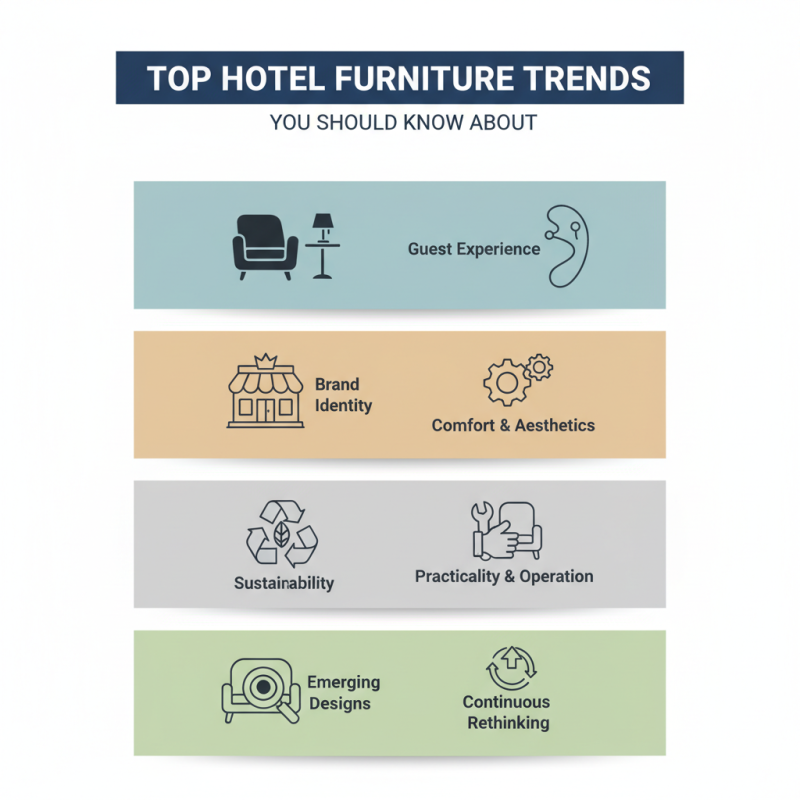
Each piece of furniture represents the hotel’s brand identity. From modern minimalist to classic elegance, choices reflect the desired atmosphere. As guest expectations evolve, so too does the demand for innovative designs that balance comfort and aesthetic appeal. However, trends can sometimes overshadow practicality. It's essential to rethink what works best for both guests and the hotel’s operational needs.
Furthermore, sustainability is at the forefront of current trends. Hotels are seeking eco-friendly materials, and this shift can impact furniture choices. While some designs might prioritize style, they risk overlooking comfort and functionality. Every detail matters in crafting memorable guest experiences. Keeping an eye on emerging trends will challenge hoteliers to rethink their furniture selections continuously.
Emerging Sustainable Materials in Hotel Furniture Design
The hospitality industry is experiencing a significant shift towards sustainable materials in hotel furniture design. Recent studies indicate that over 70% of hotel guests prefer eco-friendly options. This trend reflects a growing awareness of environmental issues. Hotels are increasingly sourcing materials that lower their carbon footprint. For example, reclaimed wood is gaining immense popularity. It’s not only attractive but also reduces waste.
Innovative materials are emerging in this space. Biodegradable plastics are becoming an alternative for standard synthetic options. Research shows that furniture made from these materials can decompose within one to five years. Meanwhile, natural fibers like jute and hemp are being used for upholstery. They are both durable and sustainable, catering to eco-conscious travelers. However, sourcing these materials can be challenging. Not all manufacturers are equipped to create sustainable products.
Despite the progress, many hotels still rely on traditional materials. This raises questions about commitment to sustainability. The balance between aesthetic appeal and eco-friendliness is delicate. Designers often find it difficult to align these goals. Industry reports suggest that embracing sustainable materials might not always meet budget constraints. Yet, the long-term benefits often outweigh initial costs. Hotels can benefit from brand loyalty when they prioritize sustainability.
Top Hotel Furniture Trends You Should Know About - Emerging Sustainable Materials in Hotel Furniture Design
| Trend |
Material |
Sustainability Aspect |
Applications |
| Eco-Friendly Furniture |
Reclaimed Wood |
Reduces waste and carbon footprint |
Tables, chairs, cabinetry |
| Biophilic Design |
Bamboo |
Fast-growing and renewable |
Furniture frames, flooring |
| Upcycled Materials |
Plastic Waste |
Reduces marine pollution |
Outdoor furniture, accessories |
| Natural Fabrics |
Organic Cotton |
Chemical-free production |
Upholstery, bed linens |
| Modular Furniture |
Sustainable Softwoods |
Promotes longevity and reutilization |
Flexible seating, workspace solutions |
Innovative Styles Shaping Modern Hotel Room Interiors
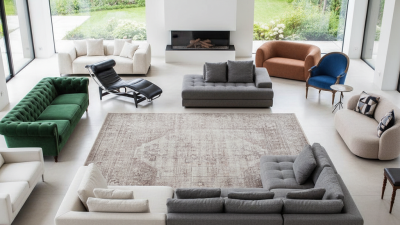
In modern hotel room interiors, innovative styles play a crucial role. Designers are moving away from traditional layouts. They focus instead on unique arrangements that create a homely feel. This shift prioritizes comfort without sacrificing aesthetics.
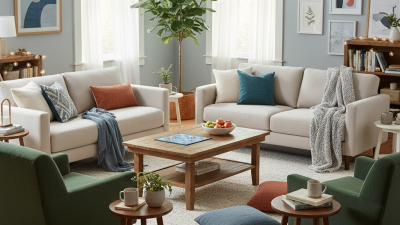
We see cozy seating areas, inviting textures, and bright color palettes. Each element aims to enhance the guest experience.
Sustainable materials are also gaining attention. Eco-friendly furniture options reflect a growing awareness of environmental impact. Using reclaimed wood or recycled materials adds character and depth. Guests appreciate the stories behind each piece. However, the challenge lies in balancing style with sustainability. Some designs still lack the durability needed for high-traffic areas.
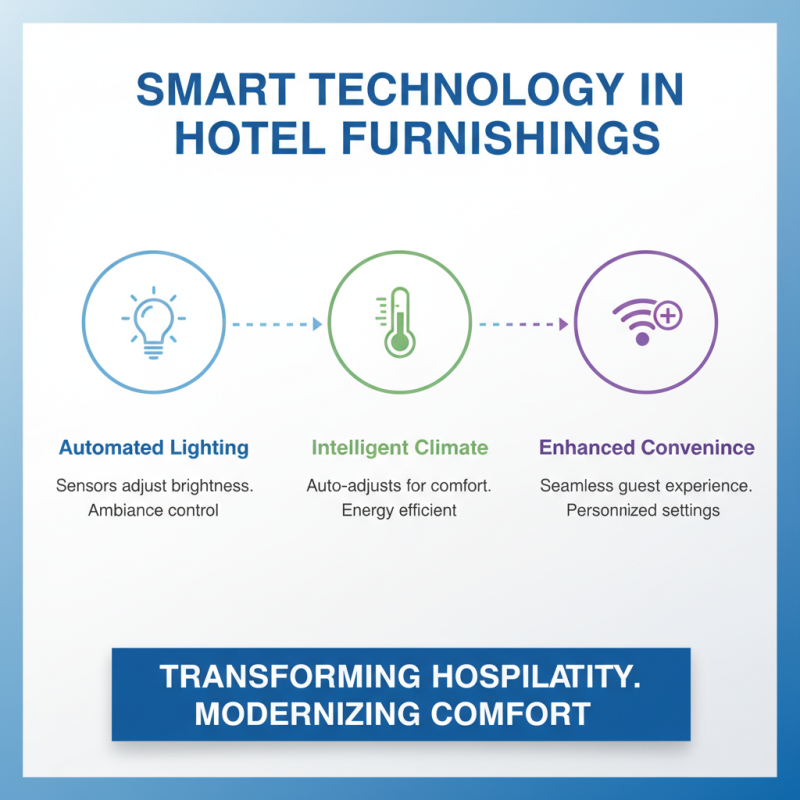
Additionally, technology integration is transforming hotel furniture. Smart furniture options offer added convenience. Tables with built-in charging stations are a simple yet effective solution. However, not all hotels fully embrace these trends. Many still rely on outdated designs, missing opportunities to impress tech-savvy travelers. As the industry evolves, the push for innovative styles will continue to shape hotel interiors.
Functionality Meets Aesthetics: Multi-Use Furniture Solutions
In recent years, hotel furniture has evolved to reflect changing needs. Multi-use furniture is now more than a trend; it’s a necessity. This shift emerges from space limitations and the desire for practical solutions. Think of a sturdy coffee table that easily transforms into a workspace. Hotels are recognizing that versatility helps guests feel at home.
Additionally, aesthetics play a crucial role. Guests want comfort without sacrificing style. Opting for furniture with clean lines and inviting textures can elevate an atmosphere. Imagine plush ottomans doubling as seating or storage. Yet, the challenge lies in finding the right balance. Not every multi-use piece harmonizes with its environment. Some may clash with hotel themes, requiring thoughtful selection.
Details matter immensely in this transformation. Proper color schemes contribute to a cohesive look, but function shouldn’t be ignored. Every piece should serve its purpose effectively, as heavy furniture can hinder guest movement. Reflecting on these aspects can enhance overall guest experience while making a statement.
Color Trends Influencing Hotel Furniture Choices
Color trends play a significant role in shaping hotel furniture choices. In recent years, warm tones like terracotta and olive green have surged in popularity. These hues create a welcoming atmosphere for guests. They evoke comfort and relaxation, essential elements for any hospitality space.
Bright colors are also making a statement. Shades like cerulean blue and sunny yellow bring energy to hotel rooms. However, finding the right balance is crucial. Too much vibrancy can overwhelm the space. Thoughtful accents can enhance the overall aesthetic without causing chaos.
Muted colors have their charm as well. Soft pastels or warm neutrals can provide elegance and sophistication. Yet, some might view them as too bland. It’s a challenge to attract diverse tastes while maintaining a cohesive look. Designers often grapple with this dilemma. The interplay of color and hospitality design reflects current trends but also personal expression. Each choice invites guests to experience something unique.