Top 10 Joinery Wood Works in China You Need to Know?
Joinery wood works are an essential part of China’s thriving furniture and construction industries. According to Eric Cheng, a notable expert in the joinery sector, “Craftsmanship in joinery reflects not just skill but also the soul of the wood.” This sentiment resonates deeply with artisans dedicated to creating beautiful, functional pieces.
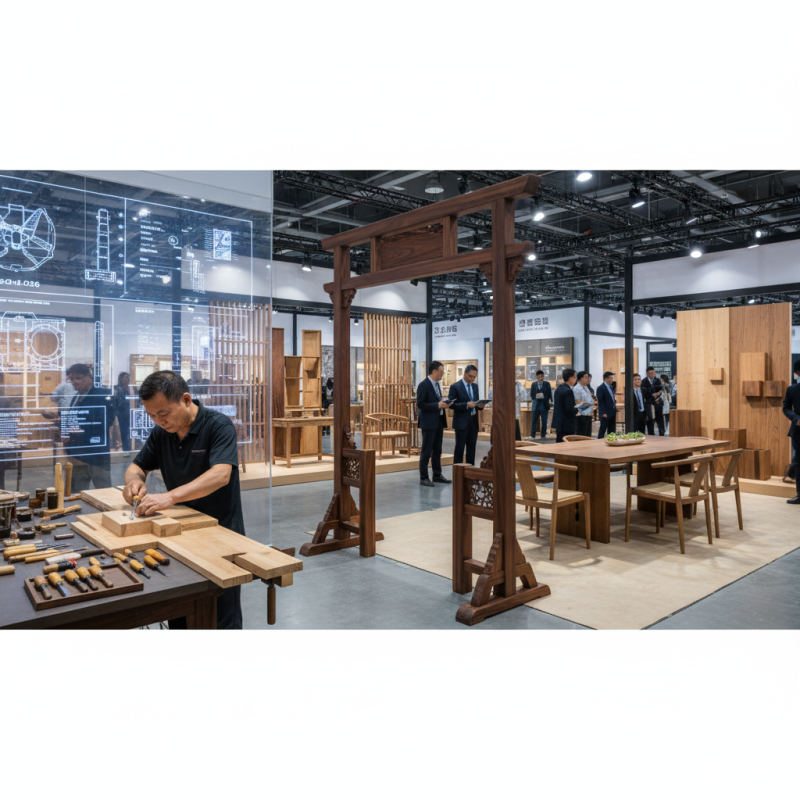
With the upcoming 2026 Canton Fair, there will be a spotlight on advanced manufacturing and high-quality home furnishings, which include joinery wood works. This event will showcase how technology is reshaping traditional craftsmanship. The introduction of AI-driven tools will help buyers find suppliers that meet their specific standards.
While the future looks bright, challenges remain. Traditional joinery faces competition from mass-produced alternatives. Consumers may overlook the unique beauty and durability of hand-crafted pieces. As the industry adapts, the need for storytelling in joinery wood works becomes crucial. It's important for creators to convey the value behind their art.
Overview of Joinery Wood Works in China
Joinery woodworks in China showcase a rich heritage and unique craftsmanship. This art form blends traditional techniques with modern designs. Skilled artisans create stunning pieces that are both functional and beautiful. From intricate carvings to simple structures, every item tells a story.
Chinese joinery involves precise techniques. Joints are crafted without nails, demonstrating remarkable skill. This approach emphasizes durability and elegance. Each region boasts distinct styles, influenced by local culture. However, challenges persist. Many artisans face difficulties in preserving traditional methods amid rapid modernization. The balance between innovation and tradition needs reflection.
Quality varies widely in the industry. Some workshops produce exquisite work, while others may cut corners. Environmentally friendly practices are sometimes overlooked. Awareness is growing, but it’s a work in progress. The beauty of joinery woodworks lies in their imperfections, often reflecting the soul of the maker.
Top 10 Joinery Wood Works in China
Historical Development of Joinery Techniques in China
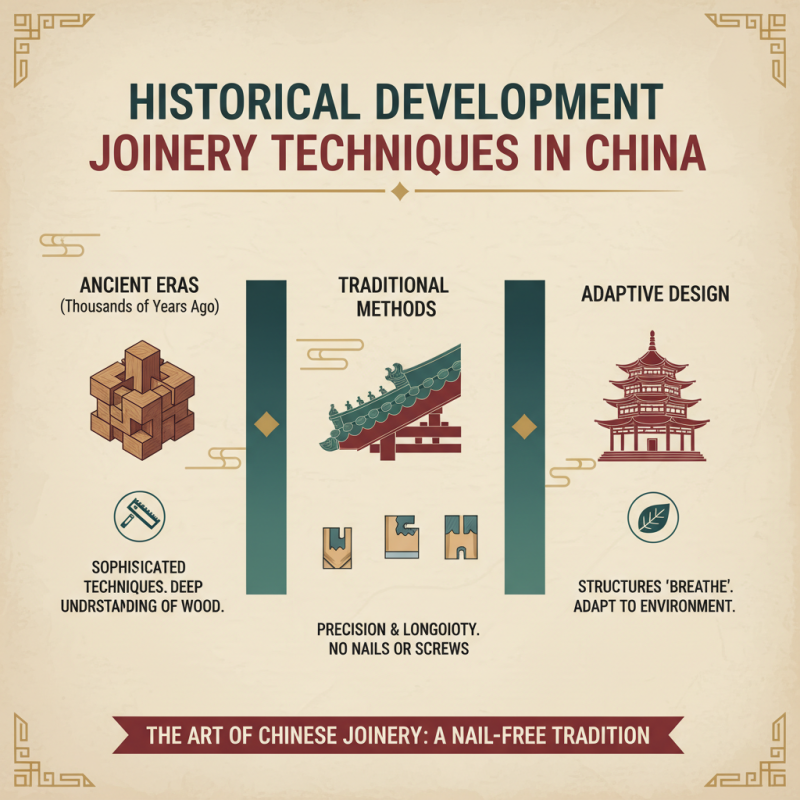
The art of joinery in China has a rich historical background. For thousands of years, craftsmen have developed sophisticated techniques. Traditional joinery techniques are known for their precision and longevity. The absence of nails and screws in these methods showcases a deep understanding of wood properties. This non-invasive approach allows wooden structures to breathe and adapt to environmental changes.
Notably, various regions in China have distinct styles. For example, the mortise and tenon joint is celebrated for its strength and simplicity. Yet, while these techniques are admired, they may seem complex to modern artisans. Often, young craftsmen face challenges in mastering these time-honored skills. Training can be lengthy and requires patience. Some struggle with adopting new technologies alongside traditional methods.
Modern times bring both opportunities and challenges. There is a growing interest in sustainable materials and practices. However, some artisans fear losing their traditional identity. Balancing innovation and heritage is crucial. It is essential for future generations to learn from the past while creating new paths. Embracing imperfection might be the key to a thriving joinery culture in contemporary China.
Top Materials Used in Chinese Joinery Wood Works
Chinese joinery wood works are renowned for their craftsmanship and precision. The choice of materials plays a crucial role in their durability and aesthetic appeal. Several types of woods are favored in the industry. Hardwoods like walnut and teak are popular for their strength and beautiful grain patterns. Pine is often used for its affordability and light weight.
In addition to traditional woods, bamboo is gaining traction in modern designs. Its sustainability and flexibility make it an excellent choice for eco-friendly projects. However, many builders still struggle with the durability of softer woods in high-traffic areas. This concern often leads to repairs and replacements, which can be costly over time.
Beyond wood, joinery work sometimes incorporates metals and composites. Combining materials can create unique aesthetics but may lead to unexpected issues in terms of compatibility. Craftsmen may find themselves reflecting on the balance between innovation and tradition. These decision points affect not only the final product but also the overall customer satisfaction.
Prominent Joinery Styles in Different Regions of China
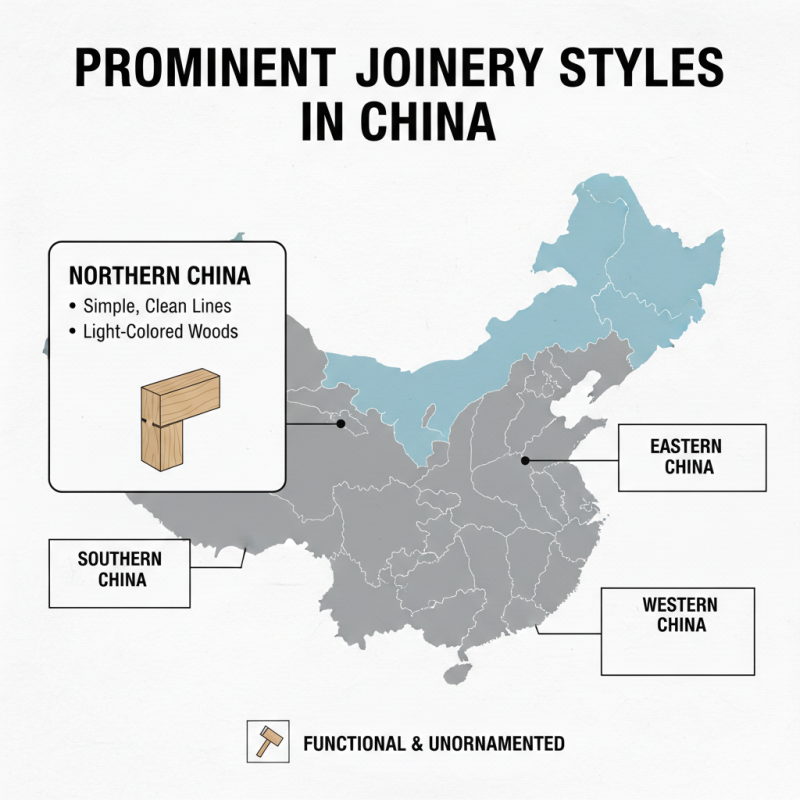
Joinery in China is rich and diverse. Each region boasts unique styles that reflect cultural heritage. Northern China favors simple, clean lines. This style often uses light-colored woods. It’s functional but lacks ornate details.
In contrast, southern China embraces intricate designs. Joinery here showcases elaborate carvings. Often, dark woods are used, creating a rich contrast. Spaces are transformed into artworks, but sometimes the beauty overshadows functionality.
Tips: When choosing joinery styles, consider your space. Minimalist designs can enhance modern interiors. However, excessive adornment may overwhelm smaller rooms. Striking a balance is essential for harmony. Always think about the long-term value of your choices. Simple can be elegant. Remember, great joinery tells a story.
Future Trends in China's Joinery Wood Industry
The future of China's joinery wood industry shows promising growth, yet it faces challenges. According to a recent industry report, the market is projected to expand at a CAGR of 7% from 2023 to 2030. This growth stems from increasing demand for customized wood products in residential and commercial spaces.
Sustainability is becoming crucial. Many manufacturers are looking to use eco-friendly materials. However, not all companies are equipped to source sustainably. A significant 40% of producers are still relying on traditional wood sources. This raises concerns over environmental impact. Investment in sustainable practices must increase to compete globally.
Technological advancements are shaping the sector. Automation and CNC technology are enhancing efficiency. Yet, many small enterprises struggle to adopt these new tools. A survey indicated that about 30% of joinery businesses lack technical know-how. The industry must bridge this skills gap to thrive and innovate.
Top 10 Joinery Wood Works in China You Need to Know
| Rank |
Type of Joinery Work |
Material Used |
Application Area |
Future Trend |
| 1 |
Cabinet Making |
Plywood, MDF |
Kitchens, Offices |
Sustainable materials |
| 2 |
Door Frames |
Solid Wood, Engineered Wood |
Residential, Commercial |
Automation in production |
| 3 |
Furniture Assembly |
Hardwood, Softwood |
Home, Office Spaces |
Smart furniture solutions |
| 4 |
Staircases |
Solid Wood, Metal |
Public Buildings, Resorts |
Ergonomic designs |
| 5 |
Windows |
Aluminum, Wood |
Residential, Commercial |
Energy-efficient materials |
| 6 |
Paneled Walls |
Plywood, Chipboard |
Interior Decors |
Customization trends |
| 7 |
Shelving Units |
MDF, Melamine |
Home, Retail |
Floating and modular designs |
| 8 |
Railing Systems |
Glass, Composite |
Stairs, Balconies |
Innovative materials |
| 9 |
Custom Woodwork |
Hardwood, Exotic Woods |
Luxury Homes |
Bespoke services |
| 10 |
Decorative Wood Elements |
Reclaimed Wood, Veneer |
Architectural Features |
Sustainable design |