How to Choose the Right Chair for Your Workspace?
Choosing the right chair for your workspace is crucial for comfort and productivity. A recent report by the Global Workspace Industry notes that ergonomic chairs can reduce back pain by up to 50%. This statistic highlights the importance of selecting a chair that suits your needs.
When considering a chair, reflect on your daily activities. Will you spend hours working at a desk? The right chair should support your posture during long hours of work. Features like adjustable height and lumbar support are essential, yet often overlooked.
In our fast-paced world, distractions are everywhere. A comfortable chair can improve focus and efficiency. However, many people still settle for less than ideal options. It’s worth taking the time to explore different styles and functionalities. Don't rush the decision; a chair is more than just a piece of furniture. It is an investment in your well-being and productivity.
Understanding the Importance of an Ergonomic Chair in the Workspace
In today's work environment, an ergonomic chair is essential. It provides the support needed for long hours of sitting. An uncomfortable chair can lead to back pain, poor posture, and fatigue. Choosing a chair with adjustable features can greatly improve your work experience. Look for options that support your lower back and keep your feet flat on the floor.
Many people overlook small details that matter. For instance, consider armrests. They can reduce shoulder strain when properly aligned. Some chairs have seat depth adjustments as well. This feature allows you to find the perfect position for your legs, which is crucial during extended periods of use.
Don’t forget that aesthetics play a role. A stylish chair can enhance your workspace, but comfort should always come first. A chair may look good but does it fit your needs? Sometimes, what seems perfect online might not feel right in real life. Test different options before making a choice. Be willing to reflect on your comfort and productivity after some time.
Key Features to Look for in a Workspace Chair
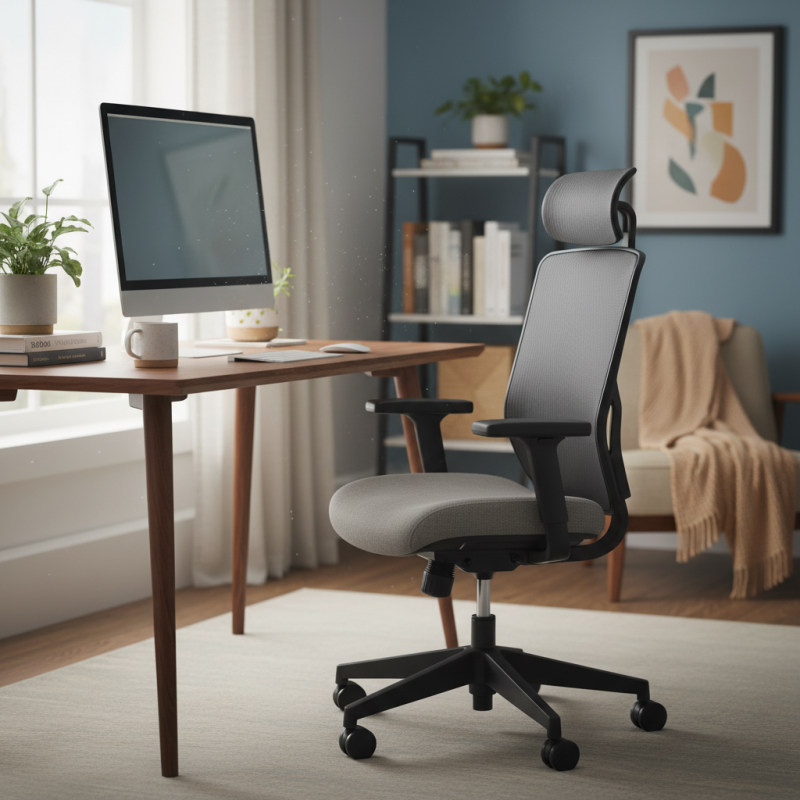
When choosing a chair for your workspace, consider key features that enhance comfort and productivity. An adjustable height is crucial. It ensures that your feet rest flat on the ground. Armrests should also be adjustable, supporting your arms without straining your shoulders.
Support for your lower back is essential. Lumbar support helps maintain a healthy posture. Opt for a chair with a contoured back that fits your body shape. Additionally, the seat depth must accommodate your thighs comfortably. A seat that is too deep may cause discomfort over time.
Material matters too. Breathable fabrics can keep you cool during long hours. Look for padding that is firm yet comfortable. Some users may overlook the importance of swivel and mobility, which can increase efficiency in a busy workspace. Don’t forget, your chair should reflect your unique needs. Experiment with different styles to find what feels right for you. It’s a journey of discovery, with some bumps along the way.
Assessing Your Workspace Size and Layout for Chair Selection
When choosing a chair for your workspace, consider the size and layout of your area. A crowded space can limit your options. Measure the dimensions of your workspace. Knowing the available space helps narrow down choices. A large, bulky chair may overwhelm a small desk.
Evaluate the layout of your workspace. Is it open or compartmentalized? A swivel chair might be the best for tight corners. Think about how you move around. Do you need to pull the chair out often? Make sure there's enough room for that.
Sometimes, the perfect chair may still feel off. Maybe it’s too low or high. Be ready to make adjustments or even choose a different style. Proper ergonomics is vital, but personal comfort matters too. A chair should fit seamlessly into your routine. Test various options, and don’t hesitate to rethink your initial choice.
Choosing the Right Chair for Your Workspace
This bar chart illustrates the recommended chair heights based on different workspace sizes, helping you choose the right chair for your workspace layout.
Choosing the Right Material and Style for Your Chair
Choosing the right material and style for your workspace chair is crucial for comfort and productivity. Research shows that ergonomic chairs can reduce the risk of lower back pain by up to 60%. When selecting materials, consider breathable fabrics. Mesh chairs provide ventilation, while leather offers durability. Examine your office's aesthetic. A modern style may blend well with sleek furniture. However, a classic wooden chair can add warmth to the environment.
Tip: Test chairs in your workspace before purchasing. Sit for at least 15 minutes. Pay attention to comfort and support. If you feel restless, rethink your choice. Adjusting the style to fit your workspace also matters. A mismatched chair can disrupt the flow of your environment.
Another thing to consider is adjustability. A chair that suits one person may not suit another. Different seat heights and armrest positions are essential. An American Chiropractic Association report states that proper adjustment can improve posture significantly. If your back starts to hurt after long hours, reflect on your chair's design. It may not be suitable for your needs.
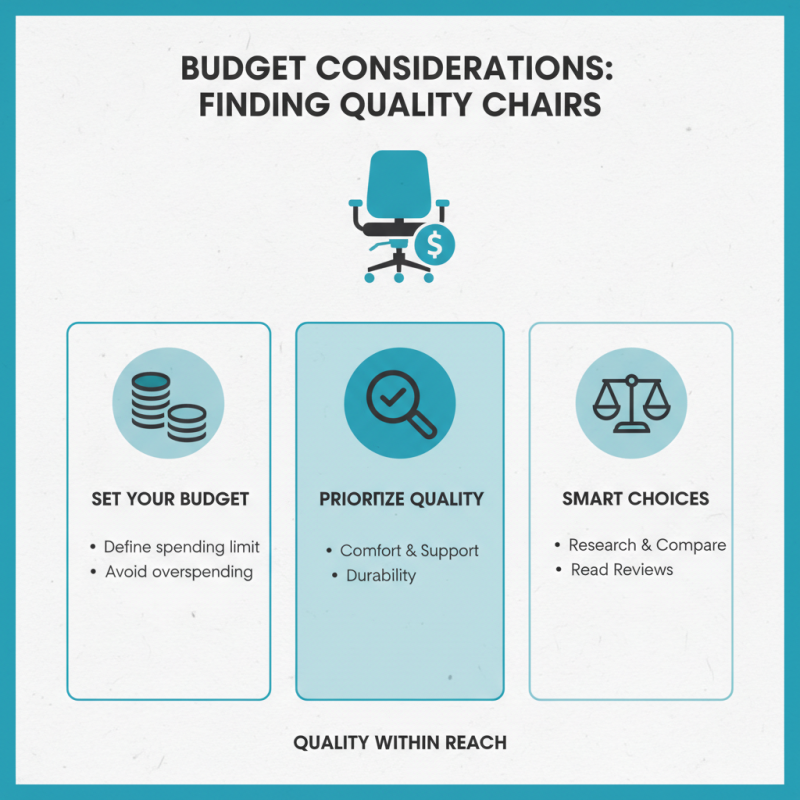
Budget Considerations: Finding Quality within Your Price Range
Choosing the right chair for your workspace requires careful consideration of your budget. Finding quality within your price range can be challenging. You want a chair that offers comfort and support. However, it’s easy to overspend if you’re not careful.
Tips: Focus on essential features. Look for adjustable height and lumbar support. These can greatly enhance your comfort. Check materials used for durability. Cheaper chairs may save money at first but can lead to more expenses later — such as replacement costs.
When exploring options, consider used or refurbished chairs. They can provide excellent quality without breaking the bank. Just make sure to check for any wear and tear. Sometimes, a minor scratch can indicate a good price. Yet, don’t overlook potential hidden issues that might cost you later.
Remember, comfort is subjective. What works for one person may not work for another. Take the time to sit in the chair before buying. Trust your instinct. Reflect on your past experiences with different chairs. This can help guide your decision.