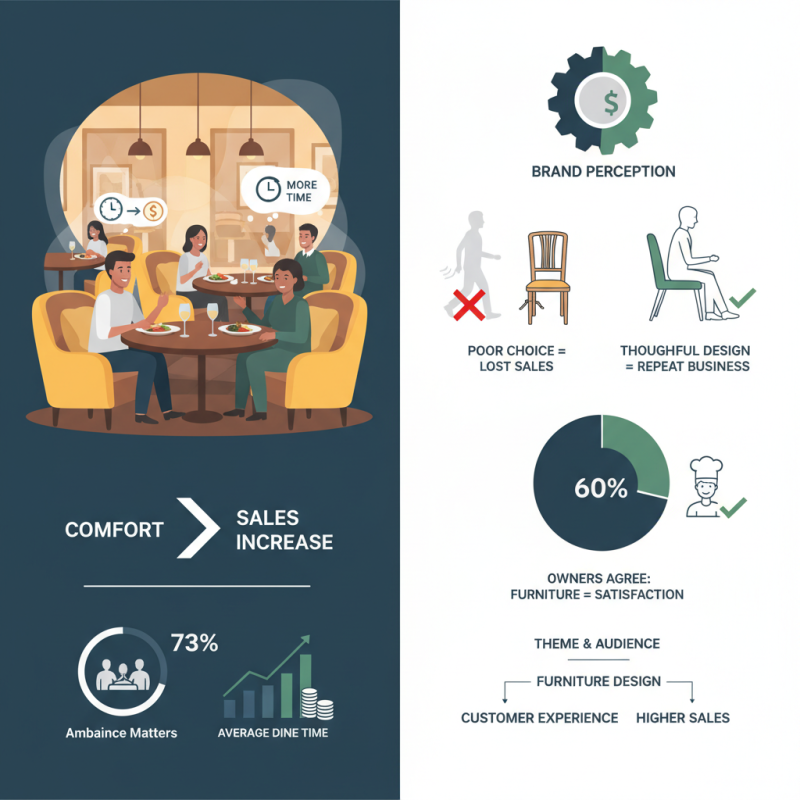
Choosing the right restaurant furniture can significantly impact sales. A well-furnished dining area can enhance customer experience. Data shows that 73% of diners consider the ambiance when deciding where to eat. Comfortable seating can increase the average dining time, leading to higher sales.
Effective furniture design should reflect your restaurant's theme and target audience. In a competitive market, poorly chosen furniture can detract from the dining experience. For instance, hard and uncomfortable chairs can deter repeat business. Conversely, inviting environments encourage customers to linger and spend more.
The right restaurant furniture can also influence the overall brand perception. Stylish tables and chairs reflect quality and care. According to a recent report, nearly 60% of restaurant owners believe that furniture directly affects customer satisfaction. Investing in thoughtful design is crucial for both aesthetics and functionality. An occasional misstep in design can lead to reduced sales, reminding us of the careful balance needed in this decision.
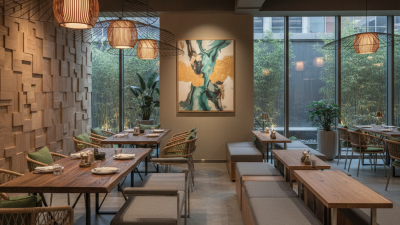
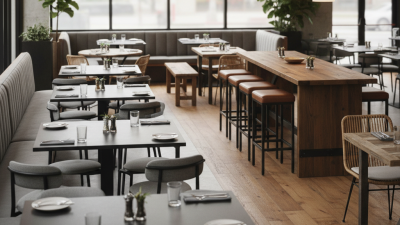
Understanding your target customers' preferences is crucial in restaurant design. A well-designed space not only attracts customers but also enhances their dining experience. According to a report by the National Restaurant Association, 70% of diners say that ambiance greatly influences their choice of restaurant. This makes it essential to consider the aesthetic appeal of your furniture.
When selecting restaurant furniture, think about the demographics of your customers. For example, younger customers might prefer modern styles with vibrant colors. In contrast, older diners often appreciate classic designs and comfort.
Tip: Choose furniture that aligns with your brand identity. If your restaurant has a rustic theme, go for wooden tables and chairs that complement that look.
Moreover, comfort plays a vital role in retaining customers. A survey found that 80% of diners will leave if they feel uncomfortable. Hence, consider the ergonomics of your seating.
Tip: Opt for adjustable seating solutions that can cater to various body types. This shows that you value customer comfort and care about their experience. The goal is enhancing satisfaction, which can ultimately lead to increased sales.
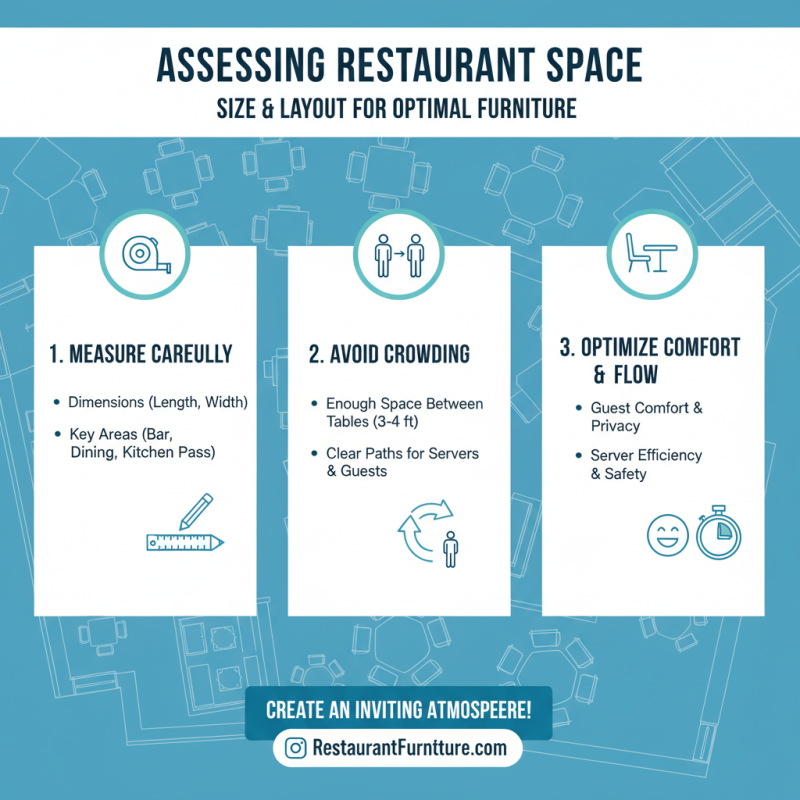
When selecting restaurant furniture, the size and layout are crucial. Assessing the space accurately is vital for creating an inviting atmosphere. Measure the dimensions of your restaurant carefully. A common mistake is underestimating the area needed for furniture and customer movement. Ensure there is enough space between tables for guest comfort and server efficiency.
Consider the flow of your layout. High-traffic areas need wider paths. A cramped arrangement can create a chaotic dining experience. Experiment with different configurations. Visual aids like floor plans can help. Test out arrangements before committing to any purchase. It's about striking a balance—creating cozy corners and open spaces simultaneously.
Furniture selections must also reflect your establishment's concept. Each piece should enhance the overall design. Choose styles that blend seamlessly with your theme. However, remember that not every popular trend will suit your space. Be wary of fad-driven choices that may not provide long-term utility. Sometimes, sticking to basics with a personal touch may yield better customer satisfaction and increased sales.
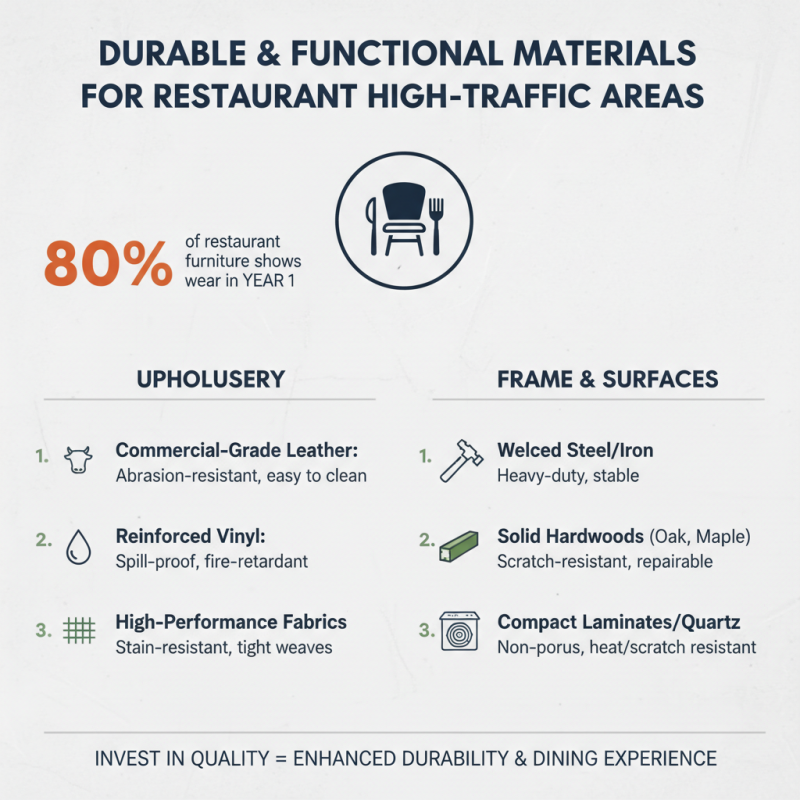
When selecting furniture for restaurants, durability and functionality are critical, especially in high-traffic areas. Reports indicate that approximately 80% of restaurant furniture encounters significant wear and tear within the first year of use. Customers expect not only comfort but also a pleasant dining atmosphere. Therefore, choosing high-quality materials is essential.
Wood, metal, and specific upholstery fabrics offer solid options. For instance, metal frames are known for their longevity, while high-density foam cushions provide necessary comfort. It’s crucial to avoid materials that show dirt and wear quickly. Outdoor seating, too, should feature weather-resistant options to sustain the elements.
A careful selection of items can enhance aesthetic appeal while being practical. Many establishments report higher customer satisfaction due to well-chosen furniture. However, some may overlook the necessity of regular maintenance, which is vital for sustaining both appearance and functionality. Investing in the right materials not only minimizes replacement costs but also keeps customers returning for more. Ultimately, a thoughtful approach to materials will foster an inviting environment that encourages sales growth.
When it comes to creating an inviting atmosphere in restaurants, balancing aesthetics and comfort is crucial. Research indicates that a well-designed space can increase customer dwell time by up to 30%. Patrons are more likely to linger and order more when seating is both visually appealing and comfortable. Using materials like soft textiles and quality wood can enhance this balance, creating a cozy yet stylish environment.
Color and layout matter significantly. Neutral tones can make a space feel open, while bold colors can energize it. According to the National Restaurant Association, 93% of diners say that interior design affects their dining experience. Missteps in design can result in discomfort, leading to quicker turnover. Consider booth seating for intimate dining or communal tables for a vibrant atmosphere. Each choice shapes the dining experience and influences customer satisfaction.
Moreover, lighting plays a huge role. Too harsh or too dim can deter guests. Soft, warm lighting promotes relaxation. However, a well-lit dining area helps staff navigate efficiently. The right balance can be tricky to achieve. Assessing your space frequently for comfort and aesthetics is vital. Engage with your guests and gather feedback to enhance their experience continuously.
| Tip | Description | Impact on Sales | Customer Experience |
|---|---|---|---|
| 1. Choose Comfortable Seating | Select chairs and booths that ensure comfort for longer dining experiences. | Increases dwell time, leading to higher sales per visit. | Enhances overall customer satisfaction and likelihood of return visits. |
| 2. Match Furniture with Theme | Ensure furniture style reflects the restaurant's theme or concept. | Creates a cohesive brand image that attracts customers. | Provides an immersive dining atmosphere. |
| 3. Opt for Durable Materials | Select materials that withstand heavy use and are easy to clean. | Reduces long-term replacement costs, maximizing profitability. | Maintains a tidy environment, enhancing customer perception. |
| 4. Create Varied Seating Options | Include a mix of tables, booths, and bar seating to cater to different customer needs. | Encourages diverse groups and increases customer turnover. | Provides flexibility, enhancing guest experience. |
| 5. Focus on Accessibility | Ensure the layout allows easy movement for all patrons. | Attracts a wider customer base, including those with disabilities. | Improves customer goodwill and loyalty. |
| 6. Prioritize Lighting | Incorporate lighting that complements furniture and enhances ambiance. | Creates inviting spaces that encourage customers to stay longer. | Affects mood, influencing dining behavior positively. |
| 7. Consider Layout and Flow | Design a layout that facilitates easy navigation for staff and customers. | Improves service efficiency, leading to increased sales. | Enhances overall experience by reducing wait times. |
| 8. Incorporate Technology | Include charging ports or tablets for ordering directly from the table. | Encourages diners to order more, increasing average check size. | Provides a modern, service-oriented experience. |
| 9. Regularly Update Décor | Refresh furniture and decor periodically to keep the atmosphere vibrant. | Attracts repeat customers by offering a new experience. | Keeps the environment engaging and relevant. |
| 10. Get Feedback | Solicit customer feedback about furniture and layout preferences. | Allows for adjustments that directly address customer needs. | Enhances customer loyalty and satisfaction. |
When choosing restaurant furniture, flexibility is essential. Modular furniture solutions provide versatile options for seating arrangements, enhancing the customer experience. According to the National Restaurant Association, adaptable spaces can lead to a 20% increase in customer satisfaction. Adjusting layouts for events or peak hours allows for a dynamic atmosphere.
Investing in modular pieces offers a solution to limited spaces. For instance, sections can be added or removed easily. This not only accommodates different group sizes but also encourages a casual dining vibe. Consider the flow of your restaurant. A well-thought-out layout can improve table turnover rates and boost sales.
Tips to remember include assessing your space needs. Choose furniture that can be rearranged based on traffic patterns. Look for durable materials that withstand daily wear. Additionally, consider aesthetic appeal. The right furniture creates a welcoming atmosphere. Striking a balance between comfort and utility is crucial. Sometimes, less is more. Simple designs can attract attention and keep costs down.