What Is an Office Cabinet Types Uses and Buying Guide?
An Office Cabinet is more than a box with doors. It controls storage, privacy, workflow, and the visual order of a workplace. In a busy office, the right cabinet can keep contracts, stationery, and personal items within reach. A poor choice can create blocked walkways, unstable loads, or wasted floor space.
Industry data shows why this decision deserves attention. Grand View Research identifies office furniture as a growing global market, supported by workplace expansion, renovations, and hybrid work. Its market analysis also highlights demand for flexible and space-efficient furniture. The International Facility Management Association reports that workplace planning increasingly connects furniture decisions with productivity, employee experience, and space utilization. These findings do not make every cabinet suitable. They provide useful direction.
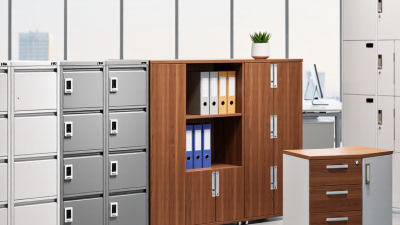
Types matter. Filing cabinets support documents. Storage cupboards hide supplies. Mobile pedestals follow employees between workstations. Glass-door units improve visibility but may reduce privacy. Lockable models offer stronger document control. Fire-rated products may suit sensitive records, depending on local requirements and certification.
Details matter too. Measure doorways, lift access, ceiling height, and available wall depth. Check load ratings, anti-tip features, lock quality, and adjustable shelves. ANSI/BIFMA standards can help buyers assess furniture safety and performance, although standards may not cover every installation condition. A cabinet may look excellent online yet feel awkward beside a desk.
This guide examines Office Cabinet types, practical uses, materials, safety considerations, and buying criteria. Market reports vary in scope and definitions, so their figures should not be treated as absolute. That limitation deserves attention. The best choice depends on documents, people, space, budget, and future change.
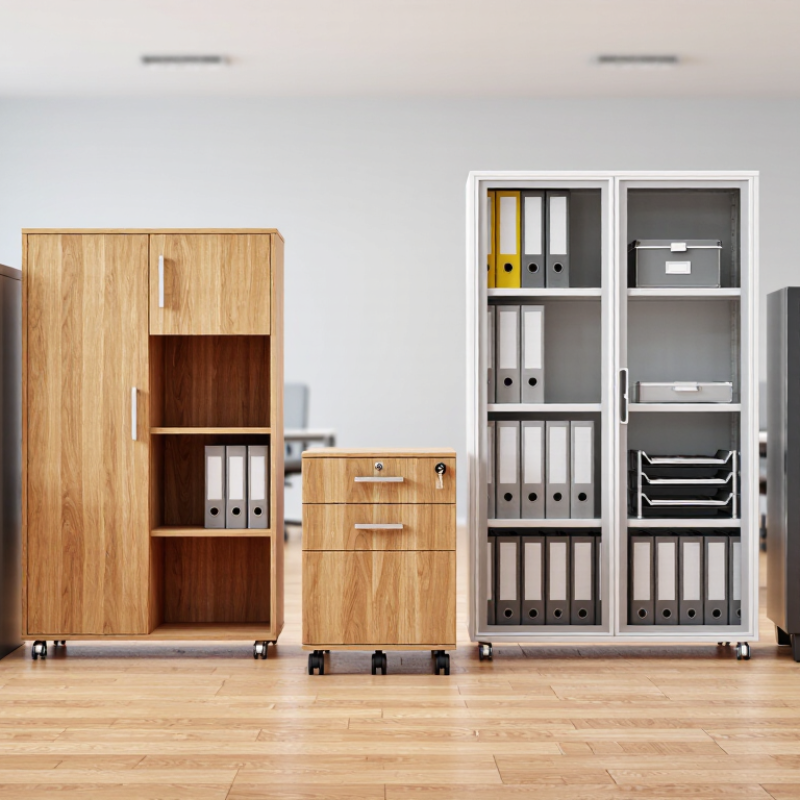
Definition and Role of an Office Cabinet
An office cabinet is a fixed or movable unit for storing documents, supplies, equipment, or personal items. Its role is practical, but not merely decorative. It protects records, reduces desk clutter, and creates a clearer path through the workplace. I have found that a well-placed cabinet can save minutes during busy administrative tasks. A poorly placed one becomes an obstacle.
The International Labour Organization reported that 17% of employed people worked from home globally in 2020, rising to 27% in high-income countries. This shift makes office cabinets more important in hybrid workplaces. They must support both shared workstations and personal storage needs. A lockable cabinet can control access to sensitive files, while adjustable shelves handle changing supplies. However, storage planning is often imperfect. Too much capacity encourages accumulation. Too little capacity creates unsafe piles. A cabinet’s dimensions, fire rating, load capacity, ventilation, and access method deserve professional review.
Tips: Measure the room first. Keep doors and walkways clear. Choose drawers for frequent-use files. Use labels that remain readable. Check the cabinet’s maximum load before filling it. For paper records, align retention practices with ISO 15489 guidance and local requirements. Digital files also need controls, so physical storage should not become a substitute for secure information management.
Main Types of Office Cabinets and Their Features
Office cabinets are not interchangeable boxes. Each type solves a different workplace problem. Freestanding filing cabinets suit paper-heavy teams, with drawers sized for letter or A4 folders. Lateral cabinets provide wider drawers and a lower center of gravity. They also create usable surfaces for printers or plants. Mobile pedestals fit beneath desks, keeping daily documents within arm’s reach. Tall storage cabinets use vertical space, but they need wall clearance and careful anchoring.
Open shelving improves visibility and quick access. It can also expose clutter and confidential documents. Tambour-door cabinets offer a practical compromise, because their sliding doors need less aisle space. Lockable cupboards support controlled document storage, while fire-rated models provide additional protection for sensitive records. Features matter more than appearance here. Check load ratings, hinge quality, drawer suspension, ventilation, and anti-tip mechanisms before purchase.
Grand View Research’s office furniture market analysis identifies storage furniture as a continuing workplace category, supported by hybrid-office redesign and space efficiency needs. The 2024 Gensler Research Institute workplace survey also reports strong employee demand for focused work settings, making noise reduction and visual order increasingly relevant. These reports do not prove that one cabinet suits every office. They only show the wider pressure to use space intelligently. In my experience, a cabinet that looks efficient on a showroom floor may feel awkward beside a crowded printer. Measure the room, test the handles, and question whether every drawer will actually be used.
What Is an Office Cabinet? Types, Uses and Buying Guide
This chart compares the approximate heights commonly used for major office cabinet types. Vertical filing cabinets usually provide multiple front-to-back file drawers, lateral cabinets offer wider side-to-side filing, and storage cabinets commonly use adjustable shelves for binders, supplies, and equipment. Actual dimensions vary by design and workplace requirements.
Common Uses of Office Cabinets in the Workplace
Office cabinets are practical storage tools, not just large boxes beside desks. In a busy workplace, they hold contracts, stationery, meeting materials, and personal items. Lockable compartments help protect payroll records and client documents from casual access. Fire-resistant models may provide extra protection, but their ratings should be verified through recognized test documentation. That detail is easy to overlook.
Different cabinet types support different daily routines. Filing cabinets keep folders upright and searchable, while cupboards store binders, equipment, and cleaning supplies. Steel cabinets suit workshops and shared offices because they tolerate frequent use. Wooden cabinets can create a warmer reception area, although damaged edges may require more maintenance. Mobile pedestals keep small items near a workstation and reduce repeated trips across the room. Not every cabinet works.
In practice, placement matters as much as capacity. A cabinet near the printer can store paper, toner, and spare labels. A records cabinet should stand in a dry area, away from direct sunlight and leaking pipes. Heavy files belong in lower drawers to improve stability and reduce strain. Before buying, measure doorways, walking paths, drawer clearance, and available floor space. Check weight limits, lock quality, adjustable shelves, and warranty terms. A cabinet that looks efficient may become inconvenient when its doors block a shared aisle. Periodic reviews also help remove outdated files and reveal storage problems that furniture alone cannot solve.
Key Materials, Sizes, and Storage Options
An office cabinet should match the work it supports, not only the room’s appearance. Steel cabinets handle frequent use, heavy files, and accidental knocks. Laminate surfaces resist everyday stains and are easy to wipe clean. Wood veneer feels warmer, but it needs protection from moisture and sharp impacts. Check the hinges, drawer runners, edge finishing, and load rating before judging the cabinet.
Size affects both storage and movement.
A narrow cabinet may fit beside a desk, while a taller unit uses vertical space efficiently. Measure doorways, walkways, and ceiling height first. Leave enough clearance for drawers to open fully. Useful storage options include adjustable shelves, lockable drawers, filing rails, and cable openings.
I once chose a cabinet with generous capacity but poor drawer access. It looked efficient. It was not.
Tips:
Group documents by how often you use them. Keep daily files between waist and shoulder height. Store heavier folders on lower shelves. For small offices, adjustable shelving usually offers better long-term value. Check whether shelves can support loaded binders, not just empty boxes. A lock can improve privacy, but it should not replace sensible document handling. Measure twice. That small habit prevents expensive returns and awkward installation problems.
How to Choose the Right Office Cabinet for Your Needs
Choosing the right office cabinet begins with your workflow, not its finish. A vertical cabinet suits narrow walls and frequent filing. A lateral cabinet offers wider drawers and easier visibility. For shared documents, select a lockable model with controlled key access. For active teams, open shelving may support faster retrieval, but it also exposes clutter.
Measure the wall, doorway, and drawer clearance before purchasing. Leave space for handles and movement. The 2024 Gensler Global Workplace Survey reports that employees need greater choice in how and where they work. A flexible cabinet can support that change. Choose adjustable shelves for mixed supplies, reinforced drawers for heavy files, and rounded edges near busy walkways. OSHA storage guidance also recommends placing heavier materials on lower shelves and preventing unstable loads. Do not assume a larger cabinet is better. It may waste floor space and encourage overfilling.
Tips:
Write down your weekly storage needs. Count folders, equipment, and personal items. Check each cabinet’s dimensions, weight capacity, lock specification, and warranty terms. If records are confidential, ask for tested security details rather than trusting marketing language. Fire-resistant storage needs a certified rating and proper installation. Aesthetic matching is useful, but it should not outrank access and safety. I once preferred deep drawers, then discovered they made smaller files disappear. That mistake was avoidable. Reconsider your habits before choosing depth.