China Top Hotel Furniture Suppliers for Global Buyers?
In the ever-evolving hotel furniture industry, quality and design are paramount. As global travelers seek unique experiences, hotels must provide ambiance through thoughtfully curated furniture. Renowned industry expert, Mark Stevens, emphasizes this need: "Hotel furniture should enhance a guest's journey, not just occupy space."
China stands as a leader in manufacturing innovative hotel furniture. From luxurious beds to elegant seating options, Chinese suppliers cater to diverse tastes. The craftsmanship reflects a blend of tradition and modern aesthetics, appealing to a global market. High-quality materials are essential, ensuring durability and comfort for all guests.
Yet, challenges exist. Not every supplier maintains the same standards. Buyers must conduct thorough research. They should prioritize partnerships with reliable manufacturers. Exploring various options can lead to the perfect balance of style and functionality. Investing time in finding the right supplier may seem daunting, but the results can enhance any hotel's reputation significantly.
Overview of China's Hotel Furniture Industry and Its Global Impact
China's hotel furniture industry stands as a formidable force in the global market. Recent reports indicate that this sector is valued at over $30 billion. It has been experiencing significant growth, driven by both domestic demand and international exports. The increasing number of hotel constructions and renovations worldwide enhances the need for well-designed, functional hotel furniture. A growing interest in sustainable and customizable furniture options also shapes this sector.
Additionally, China's manufacturing capacities allow for competitive pricing and quick turnaround times. As hotels seek to create unique guest experiences, Chinese suppliers provide versatile furniture solutions. However, quality discrepancies and consistency in delivery remain challenges. Not all suppliers can meet high standards, which raises concerns for buyers. Industry experts suggest verifying supplier credentials and product quality before making commitments.
Sustainability remains a hot topic. Many companies are shifting towards eco-friendly materials and production methods. Reports indicate that 40% of buyers prioritize sustainable practices when selecting suppliers. Balancing cost with environmental responsibility is vital for maintaining competitiveness in this evolving market. As hotel furniture needs change, China's role will likely continue to grow, albeit with ongoing challenges in quality and sustainability.
Key Features of Top Hotel Furniture Suppliers in China
The hotel furniture supply industry in China has shown significant growth recently. According to a report from the China National Furniture Association, the market for hotel furniture is expected to reach USD 10 billion by 2025. This growth is driven by increasing investments in the hospitality sector.
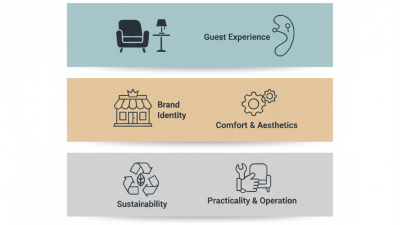
Top hotel furniture suppliers in China emphasize quality and innovation. They often use sustainable materials, focusing on eco-friendly production methods. Many suppliers integrate technology into their designs. For example, smart furniture solutions can enhance guest experiences while improving operational efficiency.
However, challenges persist. Some suppliers struggle with maintaining consistent quality standards. This inconsistency can lead to customer dissatisfaction. Additionally, navigating international regulations can be complex for these manufacturers. As the global demand for hotel furniture rises, establishing reliable partnerships is crucial for buyers looking to import from China.
Criteria for Selecting Chinese Hotel Furniture Suppliers
When selecting Chinese hotel furniture suppliers, it’s essential to focus on several key criteria. Experience in the hotel industry plays a pivotal role. Suppliers with a deep understanding of market trends and customer preferences can deliver solutions that truly meet global standards. Look for companies that have successfully partnered with diverse international clients. This varied exposure enhances their ability to understand different cultural aesthetics and functional needs.
Quality assurance should also be a priority. Reputable suppliers often have strict quality control measures in place. Regular audits and certifications reflect their commitment to excellence. Pay attention to materials used in furniture production. Sustainable and durable materials can indicate a supplier’s long-term reliability. Additionally, it is beneficial to review customer feedback. Testimonials can provide insights into the supplier's responsiveness and support throughout the ordering process.
Lastly, communication skills matter significantly. A supplier that understands your requirements can customize offerings effectively. Clear and open dialogue fosters good relationships. Be cautious of overly eager suppliers promising unrealistic outcomes. They may lack the necessary expertise or resources. Engage in discussions that explore their manufacturing capabilities. This can uncover potential challenges and reveal how they solve problems for clients. Ensure you work with suppliers who inspire confidence and trust.
Major Challenges Faced by Global Buyers in Sourcing from China
Sourcing hotel furniture from China offers many benefits, but significant challenges arise for global buyers. Language barriers can complicate communication. Misunderstandings may occur, leading to delays or incorrect orders. Many buyers struggle to express their specific needs clearly. This often results in frustration and wasted resources.
Quality control is another major concern. Not all Chinese suppliers meet international standards. Buyers frequently report inconsistencies in material and craftsmanship. Regular inspections help, but they can add to logistics costs. Buyers must invest time in finding reputable suppliers who prioritize quality.
Lastly, varying regulations across countries can pose difficulties. Import duties and taxation rules change frequently. Understanding these regulations requires expertise. Buyers often feel overwhelmed by paperwork and compliance issues. This can slow down the whole procurement process. Navigating these challenges necessitates patience and thorough planning.
Future Trends in China’s Hotel Furniture Supply Market
The future trends in China’s hotel furniture supply market reveal exciting dynamics. Recent research indicates that the market is expected to grow at a compound annual growth rate (CAGR) of 7.5% from 2023 to 2028. This growth is largely fueled by the increasing number of hotels and the rising demand for luxury accommodations. The hospitality sector is under pressure to provide stylish and functional furniture while keeping costs manageable.
Sustainability continues to play a crucial role in furniture design. Reports show that 60% of consumers prefer eco-friendly materials. As a result, more suppliers are investing in sustainable practices. However, many manufacturers still struggle with sourcing reliable sustainable materials. This gap highlights the need for innovative solutions in tracking and verifying material origins.
Customization is another key aspect. Hotels seek furniture that aligns with their unique themes. Approximately 55% of hoteliers emphasize personalized designs. Yet, the challenge lies in balancing customization with cost efficiency. Suppliers must find ways to streamline production without sacrificing quality. The market must reflect both creativity and practicality to thrive in this evolving landscape.