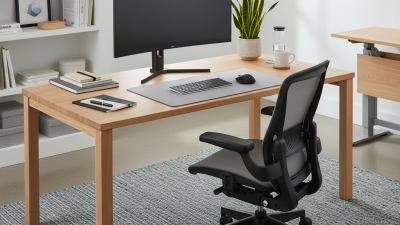
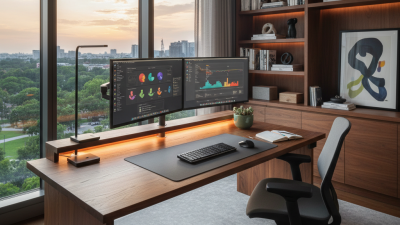
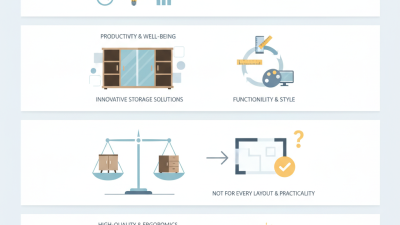
Choosing the right Office Desk can shape how people work, communicate, and feel throughout the day. For global buyers in 2026, the decision involves more than appearance. Desk height, surface durability, cable management, shipping protection, warranty support, and assembly requirements all deserve careful attention. A beautiful desk may still disappoint if its frame wobbles or its finish marks easily.
This guide reviews ten office desks selected for different workplaces, budgets, and working habits. The comparison considers materials, dimensions, ergonomic flexibility, storage, stability, and supplier reliability. It also reflects practical concerns faced by international buyers, including packaging quality, clear product specifications, replacement parts, and after-sales communication. These details often matter more than promotional photographs.
No single desk suits every country or office. A compact model may work well in a city apartment but feel restrictive in a shared workplace. A spacious executive desk can look impressive, yet require costly delivery and more floor space. That trade-off deserves honest attention. Some products may have minor weaknesses, such as limited cable ports or complicated assembly. Those imperfections are worth mentioning because real purchasing decisions rarely feel perfect.
The selections are based on product research, buyer-focused evaluation, and everyday usability. We considered how each desk performs during long computer sessions, video meetings, writing tasks, and changing work arrangements. Whether you manage a growing company, furnish a home office, or source furniture for multiple locations, this guide aims to make comparison clearer. Quality should be measured beyond first impressions. A dependable Office Desk should support productive work today and remain practical after months of daily use.

10 Best Office Desks for Global Buyers in 2026
How to Evaluate Office Desks for Global Workspaces
Choosing office desks for international teams requires more than comparing prices. Start with actual working conditions. Measure the room, elevator, doorway, and packaging route before reviewing designs. A 160-centimeter desk may fit the plan but fail at the loading entrance. Check desktop thickness, edge comfort, frame stability, and weight capacity. Ask suppliers for drawings, material details, and recent test reports. Clear evidence matters more than polished product photos.
Cable management deserves close attention. Look for rear channels, removable covers, and enough space for power adapters. Shared offices also need desks that support different body sizes. Adjustable height ranges should suit both seated and standing users. Test the adjustment noise and movement speed when possible. Small details matter.
Durability is harder to judge online. Request samples or inspect a local reference installation. Examine joints, hinges, surface seams, and coating consistency. Confirm replacement-part availability in the buyer’s region. Packaging should protect corners without creating excessive waste. I once underestimated delivery conditions, and a well-designed desk arrived with damaged edges. The specification was not the whole story.
Global buyers should also review warranty terms, assembly instructions, and communication response times. Requirements differ across countries, so electrical accessories and workplace standards must be checked locally. Do not assume one configuration suits every office. A desk can look excellent in a showroom and feel awkward after eight hours of daily use. Trial feedback from real employees often exposes that gap.
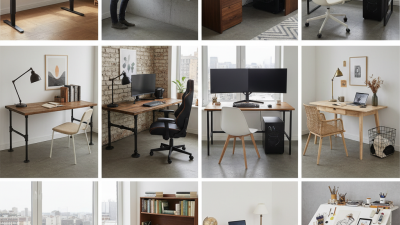
The 10 Best Office Desks for Global Buyers in 2026
The best office desk depends on space, work habits, shipping conditions, and local requirements. A compact writing desk suits small rooms and flexible workers. Choose a 120 by 60 centimeter surface for a laptop, notebook, and lamp. A fixed laminate desk offers stable pricing and easy cleaning. Solid wood feels warmer, but moisture and weight can complicate delivery. Check the finish carefully.
An electric sit-stand desk supports changing work positions throughout the day. Look for a quiet motor, a tested lifting range, and anti-collision protection. A manual crank desk costs less and avoids electronic parts. An L-shaped desk serves dual-monitor users, while an executive desk provides deeper working space. Modular bench desks help teams share power and cable channels. They need privacy screens in busy rooms. A folding desk works well for temporary offices. An industrial steel desk tolerates heavier equipment but may feel cold. A mobile desk with lockable casters supports training rooms and shared workspaces.
I would also consider a compact corner desk and a height-adjustable children’s study desk for specialized buyers. My ranking is not absolute. A beautiful desk can fail when replacement parts are unavailable. I once underestimated assembly instructions written without clear diagrams. That mistake matters. Global buyers should confirm carton dimensions, warranty coverage, plug compatibility, material certification, and spare-part support. Buyers should also measure elevators and doorways before ordering. Small details decide whether the desk performs well after arrival.
Key Features, Materials, and Designs Compared
The best office desks now balance comfort, durability, and shipping practicality. Grand View Research estimates the global office furniture market will grow steadily through 2030. That growth reflects flexible work and smaller office footprints. Our 2026 comparison favors height-adjustable, compact, modular, and cable-managed designs. Electric adjustment helps users alternate between sitting and standing. A stable frame matters more than maximum height. Wobble becomes irritating during video calls.
Materials change the buying decision. Solid wood offers warmth and repairability, but it adds weight and shipping cost. Recycled steel frames provide strength and consistent quality. High-pressure laminate resists coffee rings, scratches, and frequent cleaning. Low-emission panels deserve attention. The U.S. Environmental Protection Agency notes that indoor pollutant levels can be two to five times higher than outdoor levels. Buyers should request emission documentation, not trust vague “green” labels. Small detail. It affects long-term comfort.
Design should match the work pattern. A corner desk saves space, while a benching system supports dense teams. A drafting-style surface suits creative work and frequent sketching. Executive designs look substantial, but they can waste floor area. According to the 2024 Gensler Global Workplace Survey, effective workplaces must support both focused work and collaboration. No desk wins every test. Even premium-looking surfaces may show fingerprints quickly. Buyers should test adjustment noise, edge comfort, cable access, and replacement-part availability before placing large international orders.
For global buyers, the best office desk is not always the largest or most expensive. Room dimensions should guide the choice. Measure twice. Leave at least 90 centimeters behind the chair for comfortable movement. A 120-to-160-centimeter desktop suits many home offices, while wider workstations support multiple screens. Check cable openings, leg clearance, and the desk’s usable depth, not only its advertised width. Rounded edges matter in small rooms where knees and elbows meet the furniture.
Ergonomics should be tested, not guessed. The work surface should let your elbows rest near a 90-degree angle when seated. A height-adjustable frame can support sitting and standing, but stability becomes critical at taller settings. Look for a firm crossbar, quiet movement, and controls that respond without delay. If the desk is fixed height, pair it with an adjustable chair and a monitor riser. I have found that attractive proportions can still create wrist strain after several hours. That detail is easy to miss.
Assembly instructions should show numbered parts, clear diagrams, and common tool sizes. Ask whether replacement hardware is available before ordering. For international shipping, confirm carton dimensions, packed weight, delivery access, and import-cost responsibility. A desk may fit the room but fail at a narrow elevator or apartment doorway. Protective corner guards and moisture-resistant packaging reduce damage during long journeys. Request photos of the packed carton for large or customized orders. Shipping estimates are not guarantees. Build in several extra days for inspection and local delivery.
Choosing the right office desk starts with the work, not the catalog photograph.
In office planning projects, I measure the room, doorways, elevator, and walking paths before selecting a model. A desk may fit the floor plan yet block a cabinet or make chair movement awkward. For most users, a depth of 60–80 centimeters supports a monitor, keyboard, and writing space. Measure twice.
Match the desk shape to daily tasks.
Rectangular desks suit focused computer work and flexible layouts. L-shaped designs create separate zones for calls and paperwork, but they need more corner space. Height-adjustable desks can support movement during long workdays.
Check the adjustment range, stability, motor noise, and weight capacity. A wobbly surface quickly becomes annoying.
Cable management also matters. Look for rear channels, accessible power openings, and enough clearance for chargers.
Material quality affects maintenance and long-term value.
Inspect edge sealing, frame joints, finish consistency, and resistance to scratches or moisture. For global purchasing, confirm packed dimensions, assembly instructions, replacement-part support, and delivery responsibilities.
Local electrical requirements may affect integrated power features, so verify them before ordering. I once prioritized an attractive finish and underestimated assembly time. That mistake changed my buying checklist.
The best desk is not always the largest or most expensive. It is the one that supports real work, fits the space, and remains dependable after months of use.