How to Choose the Best Joinery Wood Works for Your Home Improvement Projects?
Choosing the right joinery wood works for your home improvement projects can feel overwhelming. This decision impacts both aesthetics and functionality. Solid joinery enhances your space’s beauty, while quality craftsmanship ensures durability.
Consider your style preferences and practical needs. Some people gravitate towards sleek modern designs, while others prefer traditional touches. Each project presents unique challenges, requiring thoughtful consideration. Mistakes in choice can lead to frustration and dissatisfaction. Researching joinery wood works is crucial. Seek professionals who provide reliable advice and possess expertise in wood types, dimensions, and finishes.
Investing time in understanding the materials will pay off. Remember, flawless projects come from careful planning and informed decisions. Reflect on your choices and learn from each experience. Embrace the journey of creating a harmonious and functional space with the best joinery wood works available.
Factors to Consider When Choosing Joinery Wood for Your Project
When embarking on home improvement projects, choosing the right joinery wood is crucial. Think about the wood's durability and aesthetic appeal. Hardwoods like oak and maple often offer greater strength. Their natural patterns can elevate the overall look of your space. However, softer woods may be more cost-effective and easier to work with. Each type has its pros and cons.
Environmental impact matters too. Sourcing sustainable wood can reduce your carbon footprint. Look for certifications that guarantee responsibly harvested timber. The finish you choose also affects the wood's performance. Natural oils and varnishes can enhance the wood grain and protect against moisture. Remember, maintenance is essential. Some finishes require more regular upkeep than others, so consider your lifestyle.
Budget constraints can complicate the selection. High-quality wood often comes at a premium. Balancing costs with your project's needs is necessary. It's wise to seek advice from experienced professionals. They can provide insights on wood types and project compatibility. Trusting their expertise could save time and frustration in the long run.
Types of Wood Used in Joinery and Their Durability Ratings
When considering joinery wood works for home improvement, it is essential to understand the types of wood and their durability.
Hardwoods like oak and maple are popular for their strength and longevity.
Oak, for example, boasts a Janka hardness rating of 1,360, making it resistant to dents and wear.
This durability is crucial for high-traffic areas.
Softwoods, such as pine and cedar, are also common choices. While they tend to be less durable than hardwoods,
they offer a unique aesthetic. Pine has a Janka rating of 690, making it softer and susceptible to scrapes.
However, its availability and cost-effectiveness can make it suitable for furniture and cabinetry.
Cedar is naturally resistant to decay, which can be especially beneficial in outdoor applications.
Each wood type has its unique characteristics. The grain pattern and color can affect the final look of your project.
But, considerations must include the environment where the wood will be used.
Humidity and temperature can impact wood's performance over time.
Choosing the right wood requires balancing durability with aesthetics. Understanding these details can guide you in making an informed decision for your joinery projects.
Impact of Wood Treatments on Longevity and Performance
When selecting wood for joinery projects, wood treatment is crucial for longevity. Treated wood resists moisture, decay, and pests. This means longer-lasting structures, but not all treatments are equal. Some methods can alter the wood's appearance or structural integrity. It's essential to understand these impacts before making a decision.
Different treatments serve specific purposes. For instance, pressure-treated wood is ideal for outdoor projects. Its resistance to rot and insects makes it popular. However, this wood can have chemical compounds that need careful handling. Alternatively, natural oils enhance wood grain while providing some protection. They may require more frequent reapplication.
Consider your project's environment. For humid areas, choosing appropriate treatment is vital. You might need to compromise on aesthetics for durability. Reflect on your choices and envision how the wood will age over time. Balancing beauty with performance matters more than it seems.
Eco-friendly Options in Joinery: Sustainable Wood Choices
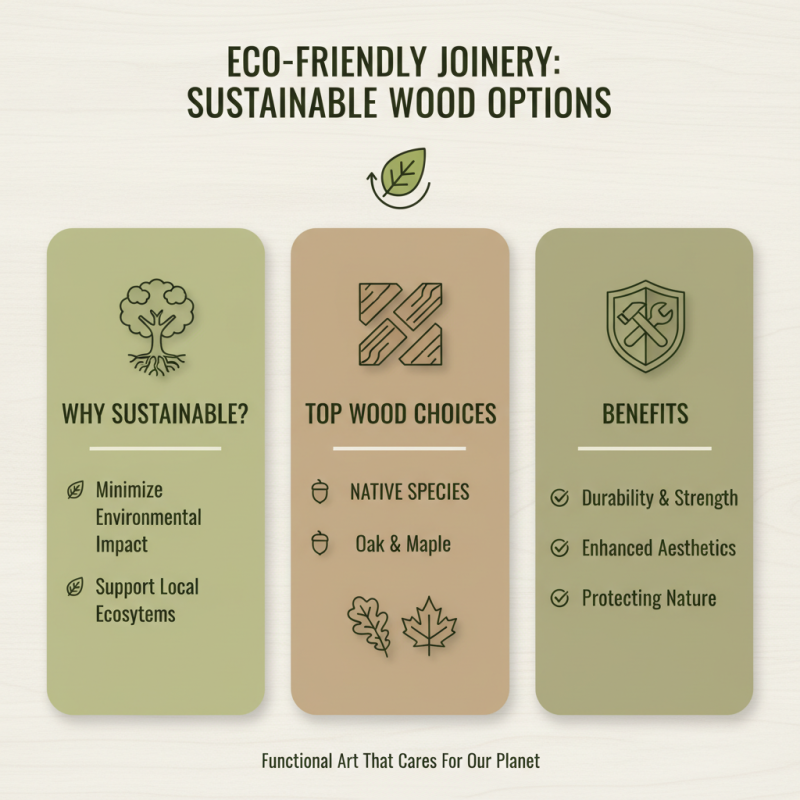
When considering joinery wood works, an eco-friendly approach can enhance both aesthetics and sustainability. Choosing sustainable wood helps minimize environmental impact. Native species like oak or maple are excellent choices. They not only support local ecosystems but also offer durability and strength for various projects. This way, you create functional art while protecting nature.
Sustainable options often come from responsibly managed forests. Look for certifications that ensure ethical sourcing. Bamboo, for instance, is a rapidly renewable resource. It grows quickly and absorbs carbon efficiently. However, it may not suit all design styles. Reflecting on this can help balance aesthetic appeal and environmental responsibility.
It's essential to ask questions about the wood's origin. Sometimes, even well-intentioned choices are not as eco-friendly as they seem. For example, reclaimed wood is a great option, but its availability varies widely. Any journey towards sustainable joinery requires careful selection. Every project is an opportunity to make better choices for your home and the planet.
Cost Analysis: Budgeting for High-Quality Joinery Wood
When embarking on home improvement projects that involve joinery wood works,
budgeting is crucial. High-quality materials can make a significant difference
in aesthetics and durability. However, many homeowners underestimate costs. It is essential to evaluate the types of wood
available and their price variations. Solid woods, for instance, generally cost more than engineered alternatives.
Research local prices to avoid unexpected expenses.
Consider labor costs as well. Hiring skilled craftsmen can increase your budget,
but their expertise ensures better results. Quality joinery requires precision, which often comes at a price.
Don't overlook additional expenses such as finishing, treatments, or installation fees. These can add up quickly.
Finally, reflect on the long-term benefits of investing in quality joinery wood.
Cheaper options may save money upfront but could lead to higher maintenance costs later. Evaluate the trade-offs
between quality and cost. Think about how each choice aligns with your project goals.
Your decisions today will impact your home’s value and your daily living experience.