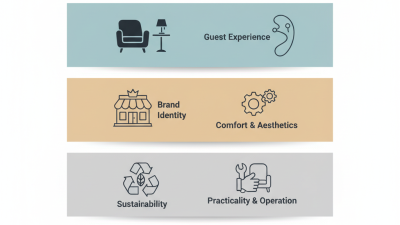
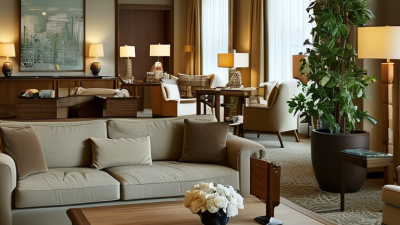
Buying hotel furniture in 2026 means balancing guest comfort, operating costs, and a clear design identity. A guest may notice the chair first, but housekeeping notices its weight, fabric, and hard-to-clean seams. Small choices affect daily work. Start with how each room will be used, then compare durability, repair options, lead times, warranties, and total cost—not just the showroom price. Measure doors, elevators, and tight corridor turns before ordering. A beautiful piece is still a problem if it cannot reach the room.
Market conditions matter, too. JLL’s 2025 Hotel Investment Outlook projected global hotel investment volume would rise 15% to approximately $70 billion. That is not a furniture-spending forecast, but it signals continued investment in hotel assets and guest-facing upgrades. For buyers, it makes careful planning more important: confirm production schedules, request material samples, and ask suppliers how replacement parts will be matched years later.
Furniture designer Charles Eames offered a useful reminder: “The details are not the details. They make the design.” His point applies directly to hotel furniture: edge finishes, drawer hardware, and upholstery seams shape both appearance and upkeep. Check those details in a physical sample, not only in a digital rendering. Ask for test results and references from comparable properties; document every specification. Measure twice. Still, even experienced buyers miss something. A fabric that looks calm under showroom lighting may show every mark at breakfast. This guide explores how to evaluate suppliers, select materials, control costs, and make practical purchasing decisions for 2026—without mistaking a polished catalog for proof of performance.
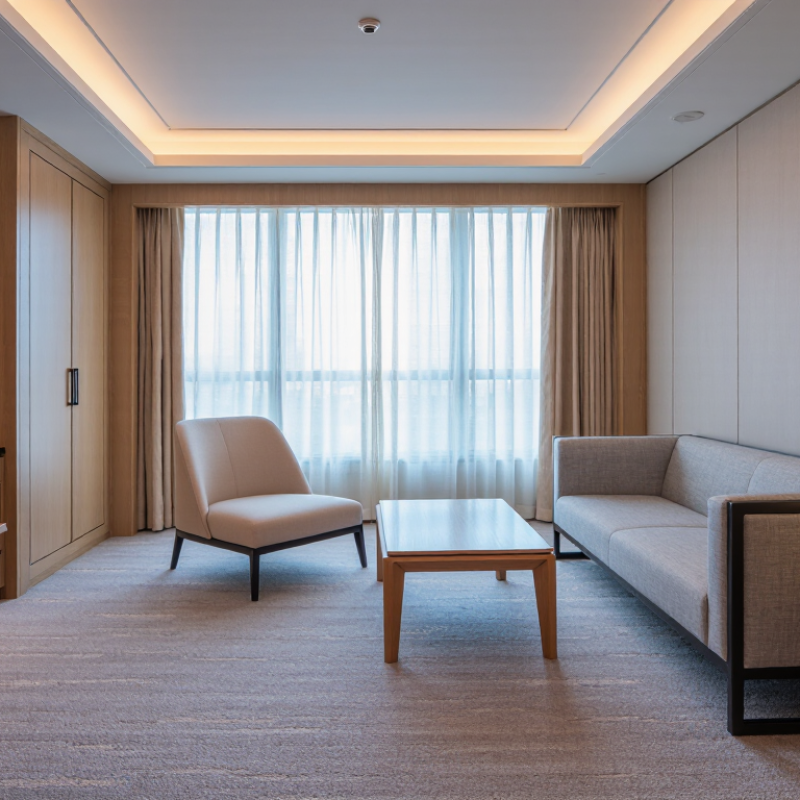
Before requesting quotes, write down how each space will be used. List room types, expected occupancy, cleaning routines, and any storage needs.
Measure doorways, lifts, corridors, and rooms—not just the floor plan. A desk that fits on paper may block a suitcase when installed. Record existing power outlets and the distance from beds to switches.
Describe your typical guests using real booking patterns, not assumptions. Business travelers may need a sturdy desk, task lighting, and accessible outlets. Families often benefit from wipeable surfaces and flexible storage. Guests with mobility needs may require clear routes and usable reach heights.
Small details matter. Check feedback and speak with housekeeping; staff often notice loose drawer runners before managers do. Guest profiles change, too, so avoid designing every room around one imagined visitor.
Set the furniture scope by space: guest rooms, lobby, dining areas, meeting rooms, and outdoor zones. For each item, note dimensions, quantity, materials, finish, and expected wear.
Include replacement parts and cleaning instructions in the specification. Test samples in the actual lighting, and sit on chairs for more than a quick moment. Confirm relevant local safety and accessibility requirements with qualified professionals.
A first furniture list is rarely perfect. Revise it after a room mock-up reveals awkward clearances or finishes that show fingerprints.
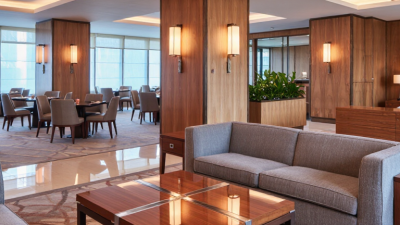
For a 2026 hotel furniture budget, price the whole installation, not just the pieces. Include freight, storage, assembly, room downtime, replacement stock, and waste removal. Keep a contingency for site measurements or delivery changes; these are easy to underestimate. That adds up.
Lodging Econometrics’ Q4 2024 U.S. Hotel Construction Pipeline Trend Report counted 6,378 projects and 746,986 rooms in the pipeline. That scale makes early, detailed procurement planning practical, especially when many rooms need matching furniture.
Performance standards should be written into the purchase specification, not left to interpretation. Set measurable requirements for abrasion resistance, seam strength, colorfastness, cleanability, and frame stability. Ask suppliers for test reports tied to the exact materials and construction being quoted. Confirm that cleaning instructions fit the products your housekeeping team actually uses. For high-use seating, specify a commercial test method and project-appropriate threshold rather than relying on phrases like “heavy duty.”
Build and inspect a sample room before approving the full order. Check drawer movement, bed stability, upholstery seams, and how finishes look under the property’s lighting.
One trade-off deserves a second look: choosing the lowest initial price can leave less budget for durable finishes or spare pieces. A lower quote is not automatically a lower lifecycle cost.
When buying hotel furniture in 2026, assess materials by how they perform after years of daily use. A lobby chair may face wet coats, rolling luggage, and frequent cleaning before noon. Choose sturdy joinery, replaceable feet, and upholstery that can be cleaned without harsh treatment. Solid wood, metal, and recycled-content panels each suit different budgets and maintenance plans. Ask suppliers for material details, care instructions, repair options, and clear sustainability documentation. Specific evidence matters.
Tips: Request one finish sample and test it under your actual room lighting. Wipe it with your planned cleaner, then check for fading, rough edges, or water marks. Keep a spare fabric swatch for future repairs.
Design should support the guest routine, not just photograph well. Leave clear paths around beds and desks, and check that drawers open fully beside luggage. Use adaptable pieces where possible; a sturdy desk that can be repaired may outlast a trendy built-in. Prioritize durable construction, recycled or responsibly sourced materials, and parts that can be separated at end of life. Ask how sustainability claims are measured; a green label alone may not explain lifespan or transport impact. Some choices are imperfect: recycled materials can vary in finish, and local repair options may be limited. Test a sample room before ordering for the entire property.
When buying hotel furniture in 2026, assess suppliers on more than catalog images. Ask for comparable hotel installations, production capacity, replacement-part availability, and written delivery schedules. Lodging Econometrics reported 15,820 hotel projects in the global construction pipeline at the end of 2024. That scale makes capacity and lead-time checks important, though pipeline figures do not guarantee current demand or a supplier’s performance. Request references from projects with similar room counts and opening dates.
Inspect a full-size sample under actual room lighting. Sit on the chair, open drawers, and check fabric seams and edge finishes. Small details matter. Compare quotes line by line: freight, installation, packaging removal, spare units, and taxes can change the real cost. I would not choose the lowest bid without checking what it excludes. That is easy to miss.
Make contract terms specific. Record approved materials, dimensions, color codes, tolerances, delivery milestones, inspection procedures, and remedies for defects or delays. AHLA’s 2024 industry report found that 76% of surveyed hotels faced staffing shortages. Furniture that is quick to clean, move, and repair may therefore reduce daily pressure on housekeeping teams. Confirm warranty coverage and repair response times in writing. Leave room for honest uncertainty: samples may age differently in service, so clarify how substitutions require approval.
How to Buy Hotel Furniture in 2026?
Plan Delivery, Installation, Inspection, and Long-Term Care
A furniture order is not complete when payment clears. Confirm delivery dates, unloading access, and storage space before production ends. Measure service elevators, doorways, and corridors, then compare those measurements with the largest items. A cabinet that fits the room may not fit the route. Share a floor-by-floor delivery schedule with hotel staff, and leave time for delays. They happen.
Installation should follow the property’s operating schedule. Assign a contact who can approve room access and answer questions on site. Ask installers to protect floors and walls, assemble pieces according to instructions, and remove packaging from guest areas. Keep spare hardware and assembly documents together. Small parts wander.
Inspect each item before signing off. Check drawers, hinges, bed frames, upholstery seams, and tabletop edges under good lighting. Photograph damage and record room numbers, item descriptions, and repair requests. Test moving parts rather than relying on appearance alone. A surface can look flawless but feel loose.
Long-term care starts with clear routines. Use cleaning methods suited to each finish, and train housekeeping staff to avoid abrasive pads or excess moisture. Keep a simple maintenance log for repairs, cleaning products, and recurring wear. Some finishes may age faster than expected, especially near windows or busy service areas. Review those patterns and adjust care procedures as the hotel learns from daily use.
| Phase | When to Plan | Key Actions | Inspection or Documentation | Long-Term Considerations |
|---|---|---|---|---|
| Define the project scope | Before requesting quotations | Confirm room count, furniture schedule, dimensions, finishes, accessibility needs, and project budget. Measure doors, lifts, corridors, and installation areas. | Prepare a room-by-room item list, dimensioned plans, finish samples, and written specifications. | Choose finishes and construction suited to expected guest use and the property’s cleaning routines. |
| Confirm specifications and order | Before approving production | Review quantities, materials, dimensions, assembly requirements, warranty terms, payment schedule, and delivery responsibilities in writing. | Approve drawings, samples, and the final order schedule. Record agreed tolerances, substitutions, and defect-reporting procedures. | Ask about replacement parts, repair options, care instructions, and the expected availability of matching finishes. |
| Plan delivery | Set a delivery window with the supplier and site team | Coordinate delivery access, receiving hours, unloading equipment, staging space, lift reservations, and any building restrictions. | Confirm the delivery address, contact person, shipment contents, packing-list process, and procedure for reporting transit damage. | Keep furniture dry and protected from construction dust, moisture, direct sunlight, and heavy traffic while it is stored. |
| Prepare the site | Before the shipment arrives | Complete relevant construction work, clear access routes, protect floors and walls, and verify that rooms are ready for furniture placement. | Check that room numbers and furniture layouts match the approved installation plan. Identify restricted areas and site safety requirements. | Use protective coverings during remaining work, while ensuring they do not trap moisture against furniture surfaces. |
| Receive and inspect the shipment | At delivery, before packaging is discarded | Count packages against the packing list and examine visible packaging and items for damage or missing pieces. | Photograph concerns, note visible damage or shortages on delivery records, and notify the responsible supplier or carrier promptly under the contract terms. | Retain order records, delivery documents, photographs, care guides, and warranty information in an accessible project file. |
| Install and place furniture | After rooms and access routes are ready | Follow assembly instructions, use suitable tools, protect finished surfaces, and place each item according to the approved room layout. | Check stability, alignment, fasteners, drawers, doors, glides, and any supplied anchoring or safety hardware. | Train housekeeping or maintenance staff on safe movement, routine checks, and when to report loose or damaged components. |
| Complete the final inspection | Before rooms are released for guest use | Review each item for correct quantity, finish, function, cleanliness, and placement. Separate items needing repair or replacement. | Use a room-by-room checklist and record open issues, photographs, responsible parties, and agreed follow-up dates. | Keep a simple asset and repair log to identify recurring problems and plan maintenance or replacement. |
| Maintain furniture in service | During regular housekeeping and maintenance | Clean using product-specific instructions. Avoid harsh chemicals or abrasive tools unless the care guidance permits them. | Inspect high-use items periodically for loose hardware, damaged edges, unstable legs, worn upholstery, or other safety concerns. | Address spills and defects promptly, use compatible repair methods, and follow the care and warranty instructions supplied for each material. |