Leave Your Message

What Are the 2026 Top Office Desk Trends?

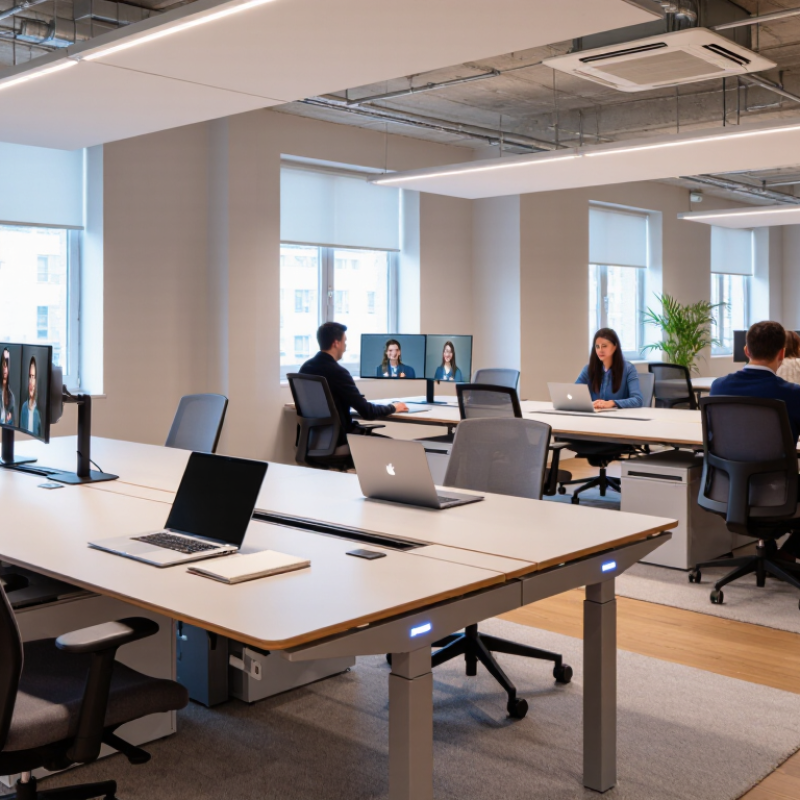
What are the 2026 top Office Desk trends? The answer will not rest on appearance alone. Desks are becoming measurable tools for focus, comfort, collaboration, and healthier daily routines. In a typical hybrid workplace, one employee may need a quiet writing surface at 9 a.m., a video-call setup at noon, and shared project space later. The desk must adapt without creating clutter.

Janet Pogue McLaurin, a recognized workplace strategist at Gensler, has said, “The future of work is about choice and control.” That idea strongly shapes the 2026 Office Desk. Expect height-adjustable frames, compact cable channels, softer edges, integrated lighting, and surfaces designed for quick reconfiguration. Some models will include simple occupancy sensors or power management features. Others will remain refreshingly low-tech.

That matters.

A practical desk should not become another complicated device. Buyers still need stable construction, repairable parts, accurate dimensions, and materials that withstand years of use. A walnut finish may look impressive, but it can show scratches quickly in a busy studio. A minimalist frame may save space, yet offer poor leg clearance. These details are easy to overlook.

The strongest 2026 designs will balance flexibility with restraint. They will support posture changes, protect visual calm, and fit smaller rooms. Still, predictions can be imperfect. Technology may advance faster than employee habits. Some “smart” features may prove unnecessary. This guide examines the trends carefully, separating useful innovation from attractive, short-lived fashion.
What Are the 2026 Top Office Desk Trends?

Defining the Main Office Desk Trends of 2026

What Are the 2026 Top Office Desk Trends?

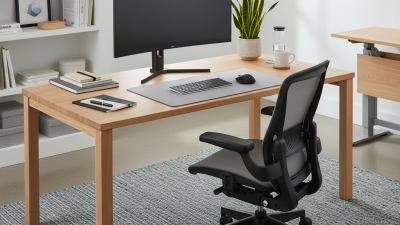
Office desks in 2026 are becoming more adaptable, ergonomic, and supportive of focused work. Modular designs allow workers to change desk height, storage, and screen positions during the day. Sit-stand surfaces remain popular, but comfort depends on correct adjustment and regular movement. A desk that moves is not automatically ergonomic.

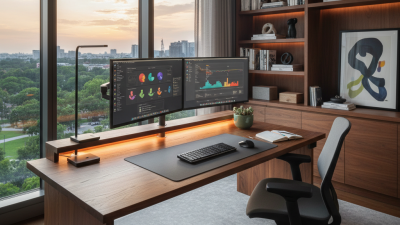
Integrated cable management is also defining modern office desks. Hidden channels, built-in power access, and monitor platforms reduce visual clutter. Some desks include acoustic panels or modest privacy screens for open-plan workplaces. These features can improve concentration, although they may make smaller spaces feel crowded.

Tips: Keep the desktop mostly clear. Place the monitor at eye level. Leave enough legroom for natural movement. Test the desk before buying, if possible.

Sustainable materials are gaining attention, including recycled surfaces, repairable components, and longer-lasting frames. Buyers are looking beyond appearance and asking how a desk was made, maintained, and eventually reused. This is a practical shift, not just a design preference. However, sustainability claims can be vague, so reliable product information matters.

I have found that the best desk trend is personal flexibility. Some employees need quiet focus, while others need collaboration space. One fixed solution cannot serve every working style. The ideal 2026 desk may be less dramatic than expected, but easier to adjust, repair, and live with.
Exploring Smart Technology and AI-Enhanced Desk Features

What Are the 2026 Top Office Desk Trends?

Smart desks are becoming quieter, more adaptive, and less decorative. Embedded sensors can detect sitting time, desk height, room noise, and lighting conditions. AI assistants may adjust reminders, organize tasks, and summarize nearby meetings. The 2024 Work Trend Index reported that 75% of knowledge workers already use AI at work. This suggests AI-enhanced desks will support daily routines, not simply display information.

Privacy remains essential. Sensors should process basic data locally whenever possible. Workers also need clear controls for recording, storage, and access. The 2024 Deloitte State of Generative AI in the Enterprise report found that governance remains a major challenge during AI adoption. A desk that constantly watches its user may create stress. Smart is not always better. Designers still need to test comfort, accuracy, and accessibility with real employees.

Tips: Choose desks with adjustable reminders, manual overrides, and visible privacy indicators. Keep cameras and microphones separate from ordinary desk functions. Ask whether collected data improves comfort or merely increases monitoring. Review the settings monthly. Small errors matter. An inaccurate posture alert can interrupt deep work, while excessive automation may weaken personal judgment. The best 2026 desk will assist quietly, explain its decisions, and let the worker stay in control.

What Are the 2026 Top Office Desk Trends? - Exploring Smart Technology and AI-Enhanced Desk Features

Trend Desk Feature Evidence-Based Metric or Standard Expected 2026 Direction Primary Benefit Implementation Priority
Adaptive Sit-Stand Workstations Electric height adjustment with programmable sitting and standing presets A workplace intervention study reported approximately 66 minutes less sitting per workday after introducing sit-stand desks. More desks will use automated posture reminders and personalized height profiles rather than manual adjustment alone. More frequent posture changes and reduced uninterrupted sitting High
AI Ergonomic Coaching Optional camera-free or privacy-controlled sensors that identify prolonged static posture and screen-position issues Ergonomic guidance commonly recommends placing the monitor approximately 50–100 cm from the user, with the top of the screen at or slightly below eye level. AI will increasingly convert sensor readings into brief, explainable recommendations instead of continuous surveillance dashboards. Earlier correction of screen height, viewing distance, and static posture Medium–High
AI-Powered Focus Management Local software that groups notifications, summarizes action items, and suggests focus intervals The feature is software-based; measurable success should be assessed through fewer interruptions, shorter task-switching time, and user-controlled opt-in rates. Desk systems will act as a quiet interface for scheduling, meeting preparation, and task prioritization. Lower cognitive load and fewer avoidable interruptions High
Privacy-First Smart Sensing Occupancy, air-quality, temperature, and posture sensing with on-device processing and data minimization Privacy-by-design principles favor collecting only necessary data, limiting retention, and giving users clear control over processing. Processing will move closer to the desk, with fewer identifiable images and more anonymous environmental data. Useful automation without creating a continuous employee-monitoring system High
Integrated USB-C Power and Connectivity Built-in charging, data, display connectivity, and cable routing through a single desk hub The USB Power Delivery specification supports power levels up to 240 W when compatible equipment and cables are used. Desks will increasingly provide standardized, modular connectivity instead of fixed collections of legacy ports. Less cable clutter and easier hybrid-work setup changes High
Human-Centered Task Lighting Dimmable, low-glare lighting with adjustable color temperature and occupancy-based control Office-lighting guidance commonly uses approximately 500 lux as a maintained illuminance target for normal office tasks; glare control remains essential. Lighting will respond to daylight, task type, and occupancy while preserving user override controls. Improved visual comfort and reduced unnecessary energy use High
Acoustic Desk Zones Desk-mounted acoustic panels, directional microphones, and software-assisted speech filtering Acoustic performance should be specified using measurable room or product ratings rather than subjective claims; speech privacy depends on the complete workspace design. Desk accessories will combine physical sound absorption with AI-assisted microphone noise reduction for hybrid meetings. Better concentration and clearer remote conversations Medium
Indoor Air and Comfort Feedback Compact sensors for carbon dioxide, temperature, humidity, and particulate matter Carbon dioxide is commonly used as an indicator of ventilation effectiveness, but it is not a complete measure of indoor-air quality. AI will turn environmental readings into simple actions, such as opening a window, changing zones, or adjusting ventilation. Earlier awareness of stuffy or uncomfortable work conditions Medium
Circular and Repairable Desk Design Replaceable control units, modular cable trays, repairable motors, and recyclable materials Product sustainability is more measurable when suppliers disclose material composition, expected service life, repairability, and end-of-life pathways. Procurement will place greater emphasis on lifecycle data rather than purchase price alone. Lower replacement waste and better long-term value High
Data note: Numeric values are presented as published ergonomic, lighting, or connectivity benchmarks where applicable. “Expected 2026 Direction” describes a forward-looking design outlook, not a guaranteed market forecast.
Reference basis: [1] Workplace sit-stand intervention research reporting changes in occupational sitting time. [2] General workstation ergonomics guidance covering monitor distance, screen height, and posture. [3] Office-lighting standards and guidance covering maintained illuminance and glare control. [4] USB Power Delivery technical specification defining power levels up to 240 W. [5] Privacy-by-design principles covering data minimization, user control, and limited retention.

Examining Sustainable Materials and Circular Desk Design

In 2026, office desks are shifting from disposable fixtures to long-term material systems. Sustainable design now begins with the desk’s full life cycle. Manufacturers are assessing recycled steel, rapidly renewable wood, low-emission finishes, and repairable edge components. A desk should not become waste because one cable grommet breaks. That sounds obvious.

Circular desk design keeps materials in use through maintenance, refurbishment, disassembly, and reuse. A practical model uses bolted joints instead of permanent adhesives, so damaged panels can be replaced. For example, a facilities team might swap a scratched desktop while keeping the frame and adjustable legs. Standardized parts also simplify inventory and reduce transport-related waste. However, circularity is not automatically sustainable. Extra hardware can increase weight, cost, and embodied emissions. Designers need evidence from life-cycle assessments, supplier documentation, and durability testing.

Workplace planning shows that useful desks support changing teams without forcing complete replacement. Modular screens, reversible surfaces, and accessible fasteners help offices adapt after reorganizations. Material labels can guide future recyclers, especially when composite boards contain several layers. Yet some sustainability claims remain vague. A recycled percentage alone says little about longevity or repair access. Procurement managers should ask who repairs each component, where recovered materials go, and how performance is verified. The honest challenge is balancing low impact with comfort, stability, and realistic budgets. Not every circular feature earns its footprint.

Comparing Flexible, Modular, and Space-Saving Desk Solutions

In 2026, office desks are becoming more adaptable than decorative. The strongest shift is not toward one perfect shape. It is toward flexible work settings. A flexible desk can move between focused work, quick meetings, and shared projects. For example, lightweight tables with lockable casters can create a six-person collaboration zone within minutes. Height adjustment also supports different users and working positions. However, moving parts may create noise, wobble, or maintenance issues. That detail is easy to overlook.

Modular desks offer a more structured solution. Their components can be rearranged as teams grow, shrink, or change roles. A two-person workstation might include a shared cable channel, removable screens, and separate storage modules. Workplace planners should check frame stability, weight limits, and access to power before installation. Modular systems can reduce replacement waste, but they are not automatically sustainable. Poorly chosen components may become difficult to reuse. The compromise is real.

Space-saving desks are gaining attention in smaller offices and hybrid work areas. Wall-mounted surfaces, nesting desks, and corner workstations can free valuable floor space. A compact desk should still provide enough depth for a monitor, keyboard, notebook, and comfortable arm movement. Otherwise, the room looks efficient but feels cramped. I would not judge a desk by its folded size alone. Measure the working position, cable path, and chair clearance. Small improvements matter.

Assessing Ergonomics, Wellness, and Personalized Workspaces

In 2026, office desks are becoming more adjustable, supportive, and human-centered. Ergonomics now influences the entire workstation, not only the chair. Desks with flexible height settings help workers alternate between sitting and standing. A screen positioned at eye level can reduce neck strain during long tasks. I have noticed that small adjustments often improve comfort more than expensive upgrades.

Wellness features are also shaping workspace design. Softer lighting, quieter surfaces, and cable-free layouts can reduce visual and mental clutter. Some workers add plants, textured materials, or personal objects to create a calmer environment. Personalization matters, but it should not obstruct movement or encourage poor posture. I still sometimes position my keyboard too far away, which proves that good design does not guarantee good habits. That weakness deserves attention.

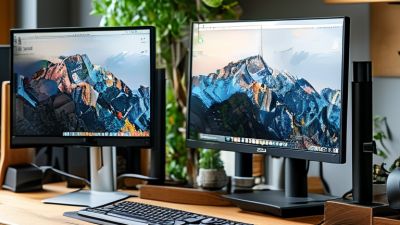
Tips: Adjust the desk until your elbows rest near ninety degrees. Keep your monitor about an arm’s length away. Leave space for your feet and avoid storing heavy items underneath. Use brief movement breaks, even when deadlines feel urgent. Test one change for several days before buying new equipment. A practical workspace should support real behavior, not an ideal routine.