Top 10 Study Table Designs for an Effective Learning Environment?
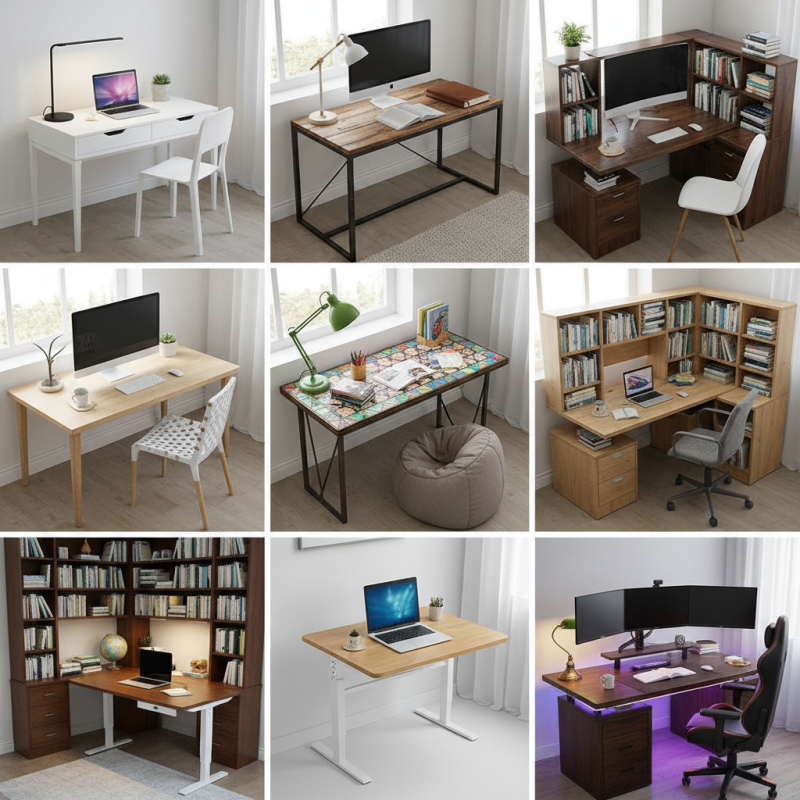
Creating an effective learning environment is crucial for academic success. A well-designed study table can greatly enhance focus and productivity. Every student or professional needs a dedicated space that facilitates concentration. The right study table can play a significant role in achieving this goal.
When choosing a study table, consider dimensions and material. An ideal study table should offer enough space for books and tech. It must also allow for comfortable seating and posture. The height should match your requirements to avoid discomfort. A cluttered table can be distracting, so design matters.
You might find it challenging to select the perfect table. Personal preferences vary widely, affecting choices. Some prefer minimalist designs, while others enjoy vibrant styles. Reflect on what inspires you. The perfect study table can transform your learning experience and lead to greater academic achievement.
Essential Features of an Effective Study Table Design
When designing an effective study table, certain features are essential. A spacious surface helps accommodate books, a laptop, and notepads. This allows for better organization of materials. Furthermore, ensure there is adequate lighting. A well-lit environment can enhance focus and reduce eye strain. Consider adding a task lamp to create a bright workspace.
Ergonomics also play a crucial role in study table design. The height of the table should match the user's sitting position. A comfortable chair paired with a desk can prevent back pain during long study sessions. Storage solutions, like drawers or shelves, are important as well. They keep the workspace tidy and clutter-free.
Lastly, personal touches can create a motivating atmosphere. Add some artwork or photos for inspiration. However, too much decoration can become distracting. Reflect on your setup regularly. Adjustments may be necessary to maintain effectiveness for your learning goals. Experiment with different layouts until you find what suits you best.
Minimalist Designs for Enhancing Focus and Concentration
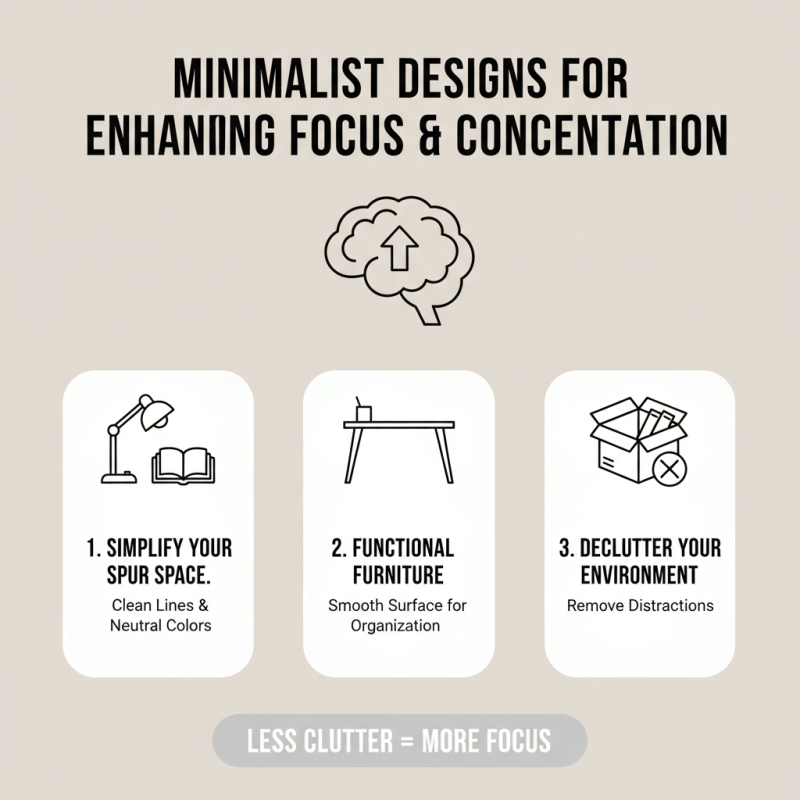
Creating a minimalist study space can significantly improve focus and concentration. Minimalist designs emphasize simplicity and functionality. When choosing a study table, look for clean lines and neutral colors. A desk with a smooth surface allows for easy organization. Avoid clutter, as it can distract you from your tasks.
Incorporating natural materials can enhance the study environment. Wood, for instance, brings warmth. A simple wooden table paired with a comfortable chair can create an inviting atmosphere. Ensure your study space receives ample natural light. This can help reduce eye strain and improve mood.
Reflecting on your study habits is important. Some minimalist designs might feel too bare for certain learners. If a space feels too empty, you may lose inspiration. Balance simplicity with a few personal touches. A small plant or a single framed picture can make the space feel more personal without overwhelming it.
Incorporating Ergonomics for Comfort During Study Sessions
Creating an effective learning environment hinges on thoughtful desk design and ergonomic principles. A well-designed study table can significantly enhance comfort and focus. Look for adjustable heights. This feature caters to various body types. It allows you to change your position, promoting better posture. A comfortable chair complements this. Choose one that supports your back while allowing movement.
Lighting is equally crucial. Natural light reduces eye strain and improves mood. Position your table near a window if possible. If not, an adjustable desk lamp can work wonders. Remember that clutter can disrupt concentration. Opt for a design with ample storage to keep materials organized and reduce distractions.
However, achieving the perfect setup is a learning process. You may find some arrangements uncomfortable or impractical. Experimenting with different layouts can lead to better choices. Evaluate how each change affects your focus and comfort. This reflection is key to optimizing your study space for sustained productivity.
Multifunctional Study Tables: Maximizing Space and Utility
Creating a productive study environment often starts with the right furniture. Multifunctional study tables can significantly enhance both space and utility. They can incorporate shelving, drawers, and even foldable designs, allowing for flexibility. This versatility is ideal for students who live in small apartments or shared spaces.
A table that can easily transition from study mode to leisure mode can help maintain focus and organization.
Design details matter. Look for tables with built-in organizers or tech integrations. These additions help keep essentials at hand while minimizing clutter. Adjustable heights can also cater to different activities, from writing to using a laptop. However, find a design that doesn’t overwhelm the space. An overly bulky table may hinder movement and flow. Reflect on how a table serves both work and relaxation.
A practical study table doesn’t always mean perfect aesthetics. Sometimes, functionality takes precedence over appearance. The balance of utility and style is subjective. A simplistic table may lack flair but provide the necessary support for productive study sessions. Consider personal needs over trends to avoid the pitfalls of choosing an impractical design.
Think about what truly enhances your learning experience.
Aesthetic Considerations: Creating a Motivating Learning Atmosphere
Creating a motivating learning atmosphere is vital for enhancing focus and productivity. The aesthetics of your study table play a crucial role in this process. A well-designed space can cultivate positivity and stimulate creativity. Use colors that inspire you. Soft blues can promote calmness, while bright yellows can energize the mind. Arrange your workspace to minimize distractions. A clean desk with only essential items enhances clarity.
Tips: Keep your desk clutter-free. Use organizers for books and stationery. Personal touches, like photos or plants, can provide warmth. Natural light is essential too. Position your study table near a window to let in daylight. If that's not possible, invest in a quality desk lamp with adjustable brightness.
Consider the ergonomics of your study area. An uncomfortable setup can lead to fatigue. Your chair and table should support proper posture. Try different positions until you find what works best for you. Reflect on how your space influences your mood. Sometimes, a subtle change, like a new chair or a different placement, can make a significant difference.
Top 10 Study Table Designs for an Effective Learning Environment