Top Villa Furniture Trends for Stylish Living Spaces?
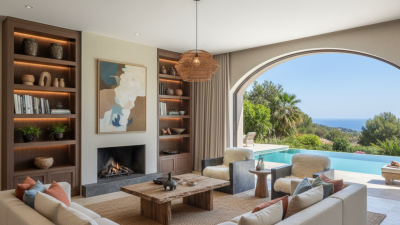
In the realm of villa furniture, contemporary trends revolve around creating elegant and functional living spaces. A recent report by the Global Furniture Market Insights indicates that the villa furniture sector is expected to grow by 5.2% annually, highlighting its rising importance in stylish interiors. Industry expert Marissa Albright notes, “Villa furniture embodies both comfort and sophistication, bridging style with everyday use.”
The allure of villa furniture lies in its focus on natural materials and innovative designs. From vibrant textiles to sleek, minimalist lines, current trends emphasize sustainability. High-quality woods and eco-friendly fabrics are becoming the norm. Lighting plays a critical role too, enhancing the overall ambiance. However, not every choice leads to success; some may struggle to achieve a cohesive look.
As homeowners explore their individual aesthetics, challenges arise. Finding the right balance between trends and personal taste can be difficult. Experts urge, “Consider function over mere appearance.” In a rapidly evolving market, staying informed about villa furniture trends is crucial. Embracing both style and practicality can redefine how we enjoy our living spaces.
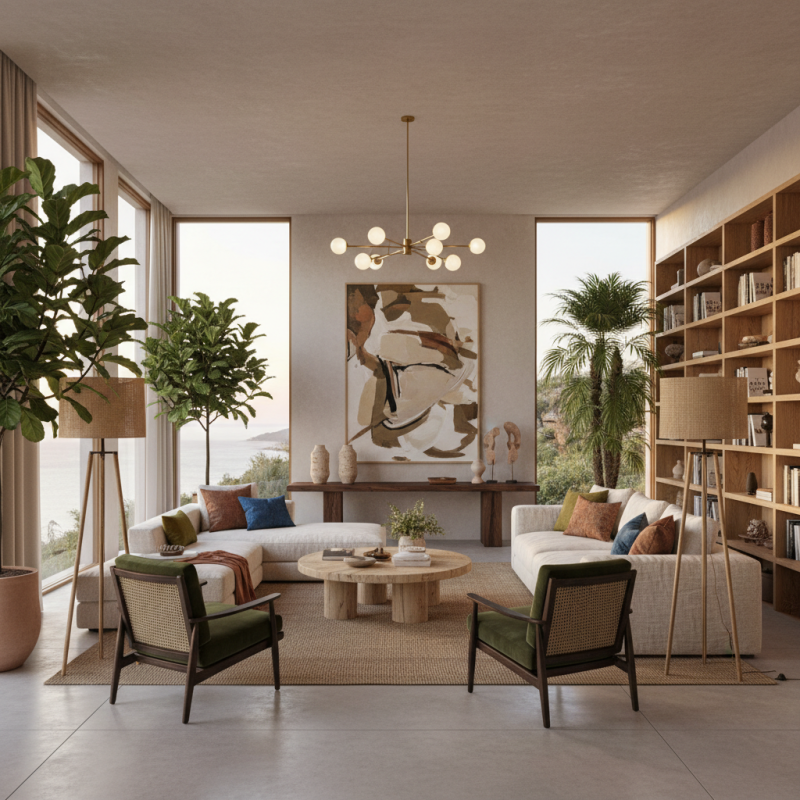
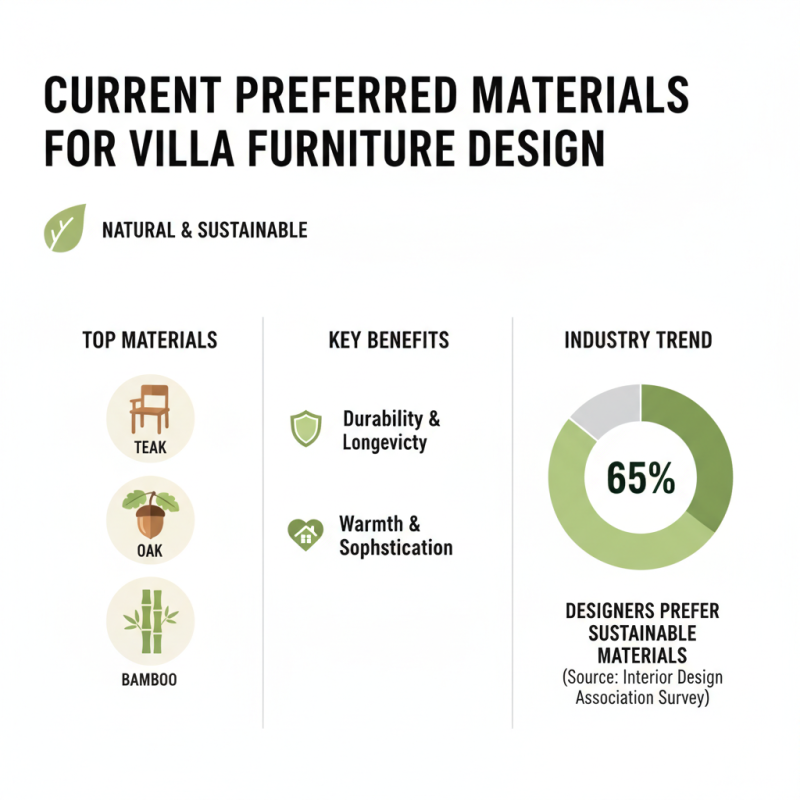
Current Preferred Materials for Villa Furniture Design
When it comes to villa furniture design, the choice of materials is paramount. Recent industry reports indicate that natural materials are enjoying a resurgence. Teak, oak, and bamboo are popular for their durability and aesthetic appeal. These materials bring a sense of warmth and sophistication to living spaces. According to a survey conducted by the Interior Design Association, 65% of designers prefer sustainable materials for contemporary interiors.
In addition to traditional woods, metal elements are gaining traction. Brushed steel and wrought iron provide a sleek contrast to wooden pieces. They add an industrial touch that resonates well with modern villa aesthetics. Designers note that a mix of materials can create interesting focal points. However, achieving balance is crucial. While contrasting textures can be visually stunning, overcrowding can lead to a chaotic look.
Another growing trend involves upholstery. Fabrics like linen and velvet are making waves due to their luxurious feel and ease of maintenance. However, the selection of colors reflects personal style. Subtle hues can create a calming atmosphere, while bold colors can invigorate a space. Understanding the interplay of materials and colors is essential. This insight can help in creating harmonious yet stylish villa interiors that endure the test of time.
Color Palettes That Enhance Villa Aesthetics
When it comes to villa aesthetics, color palettes play a crucial role. The right colors can transform a space, making it feel more welcoming. Earthy tones like terracotta and olive green can create a warm ambiance. These colors work well with natural materials, enhancing the overall vibe of a villa.
Soft pastels can also add a touch of elegance. Shades like blush pink or lavender bring a fresh, airy feel. However, it's essential to balance these tones with darker shades. Too much light color can make a space feel insipid or washed out. Adding deep navy or charcoal accents can ground the design, creating depth.
While exploring color palettes, consider personal preferences and local surroundings. A color that feels vibrant in one setting might feel out of place in another. Reflecting on how light interacts with different hues is vital. Don't rush the decision—testing paint swatches in various lighting can be enlightening. Embracing imperfections in color choices can also lead to unique, stylish outcomes. Your villa should resonate with your personality and lifestyle.
Innovative Furniture Styles for Modern Villas
In modern villas, innovative furniture styles are shaping how we live and interact with our spaces. According to a recent industry report by the International Furniture Fair, 67% of homeowners prioritize multifunctional furniture. This trend is especially significant for smaller villas that need to maximize utility without sacrificing style. Pieces that can serve multiple purposes, such as expandable dining tables or sofa beds, are increasingly popular.
One emerging trend is the use of sustainable materials. A survey by the Green Building Council found that over 50% of consumers now prefer eco-friendly furniture. Designers are responding by incorporating reclaimed wood and natural textiles into their pieces. This not only supports the environment but also adds unique character to living spaces.
Tips: Consider the scale of your space when selecting furniture. Oversized pieces can overwhelm a small villa. Experiment with modular designs to create a flexible layout that can change with your needs. Don’t shy away from blending styles; eclectic collections often tell a more personal story. Remember, the journey to a stylish living space is all about making choices that reflect your personality.
Top Villa Furniture Trends for Stylish Living Spaces
Functional and Multi-Purpose Furniture Solutions
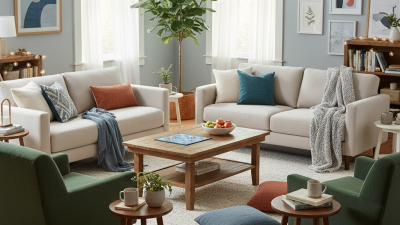
In contemporary villa designs, functional and multi-purpose furniture is essential for stylish living spaces. This type of furniture maximizes utility while enhancing aesthetics. For example, a sofa bed can serve as seating during the day and convert into a comfortable bed at night. This versatility is perfect for hosting guests in smaller spaces.
Consider investing in modular furniture pieces. These can be reconfigured as needed, allowing for different layouts based on activities. A coffee table with storage can keep your living area tidy while providing a functional surface for drinks and snacks. Being practical doesn't mean compromising on elegance. Look for items with clean lines and neutral colors to maintain a chic vibe.
Tips for choosing multi-purpose furniture include assessing your space and needs carefully. Measure your rooms before purchasing. Ensure your selection complements existing decor. Don't hesitate to explore second-hand options. Sometimes, unique finds can inspire creative new uses. By combining functionality with style, you create a living space that is both inviting and practical. Reflect on how each piece can accommodate your lifestyle while still looking good.
Top Villa Furniture Trends for Stylish Living Spaces
| Trend |
Description |
Functionality |
Material |
Color Palette |
| Modular Sofas |
Flexible seating solutions that can be rearranged |
Seating & lounging |
Fabric & leather |
Neutral tones, bold accents |
| Convertible Tables |
Dining tables that can transform for multiple uses |
Dining & workspace |
Wood, metal |
Warm tones, minimalistic |
| Storage Ottomans |
Seating that provides hidden storage |
Seating & storage |
Upholstered fabrics |
Soft colors |
| Wall-Mounted Desks |
Sleek desks that save floor space |
Workspace |
Wood, laminate |
Bright and airy |
| Adjustable Beds |
Beds that can change position for comfort |
Sleeping & relaxation |
Metal frame, foam |
Calming hues |
Incorporating Sustainable Practices in Villa Furniture Choices
Sustainable practices in villa furniture choices are gaining traction. Reports indicate that the global sustainable furniture market is expected to grow by 8.5% annually until 2026. Eco-friendly materials are now a priority for many homeowners. Bamboo, reclaimed wood, and recycled metals are frequently chosen for their minimal environmental impact.
The trend reflects a shift in consumer values. Buying furniture made from responsibly sourced materials helps reduce waste. However, not all manufacturers adhere to sustainable practices. Often, claims may lack transparency. Homeowners need to verify certifications and sourcing details. This vigilance is crucial for making informed decisions.
Additionally, incorporating sustainable furniture can enhance aesthetic appeal. Natural finishes and organic textures offer a timeless elegance. Unique pieces often tell a story, adding character to spaces. Yet, some may find the quality variable. Balancing style with sustainability can pose challenges.