How to Choose the Best Standing Desks for Your Office Needs?
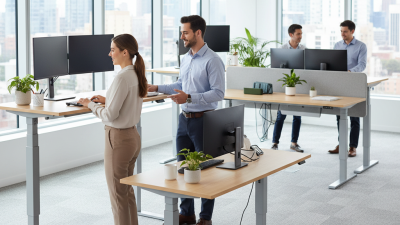
As the modern workplace evolves, Standing Desks have become a hot topic in office ergonomics. Mark Smith, a recognized expert in workplace health, emphasizes, "A well-chosen Standing Desk can transform your work experience." This sentiment resonates with many who seek to enhance their productivity and comfort during long hours at the desk.
Choosing the best Standing Desks is not just a matter of style. Factors like adjustability, stability, and size make a significant difference. A poorly chosen desk can lead to discomfort or even health issues. Many workers overlook the importance of these elements in haste to switch to a standing setup.
In seeking the optimal Standing Desk, it's crucial to evaluate your specific needs. Not everyone benefits from the same desk height or surface area. It’s easy to get caught up in trends. However, thoughtful consideration will yield better results. An informed choice can lead to a more satisfying workday and improved well-being.
Understanding the Importance of Ergonomics in Standing Desks
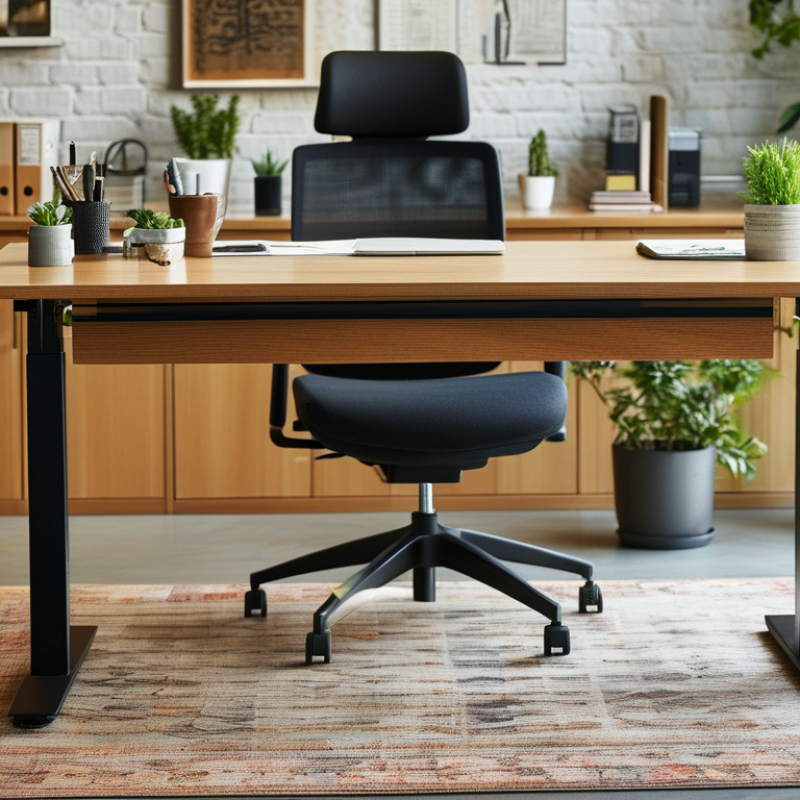
When selecting a standing desk, understanding ergonomics is crucial.
A well-designed desk can significantly impact comfort and productivity. Poor posture from a bad setup can lead to discomfort and pain.
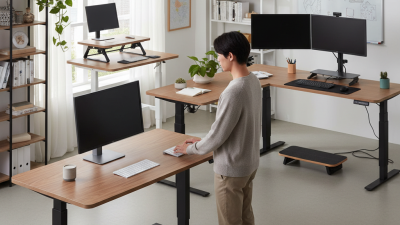
The desk height should allow your elbows to stay at a 90-degree angle while typing.
This simple adjustment helps prevent strain on the shoulders and neck.
Consider the screen height as well. Your monitor should be at eye level.
This prevents slouching or craning the neck. A common mistake is to have the screen too low.
Users often overlook their foot placement as well. Feet should rest flat on the ground or supported by a footrest.
This can enhance stability and promote proper circulation.
Not all standing desks are adjustable. Some people might find it challenging to switch from sitting to standing.
This transition can lead to discomfort if not managed properly. It is essential to take breaks and alternate between sitting and standing.
Over time, users should evaluate how their body feels. If discomfort arises, adjustments may be necessary, or the desk may not be suitable.
Key Features to Consider When Selecting a Standing Desk
Choosing the right standing desk is crucial for enhancing productivity and comfort in the workplace. Key features warrant attention to ensure the desk suits your needs effectively. According to a recent study by the Global Health Institute, 70% of employees reported improved focus when working at a standing desk. Ergonomics play a vital role in this enhancement. Look for adjustable height options to accommodate different user preferences.
Tip: When selecting a desk, consider models with a range of height adjustments. This ensures versatility for various users. A desk that can adapt to both sitting and standing positions can make a significant difference in daily comfort.
Stability is another essential feature. Desks must withstand variable weights without wobbling. Reports indicate that desks with dual motors provide better stability than those with single motors, especially during height adjustments. Additionally, a spacious work surface enhances usability. Aim for a surface at least 48 inches wide to accommodate monitors and documents comfortably.
Tip: Always check for a cable management system. A clutter-free workspace fosters a focused environment. Reflect on how your current setup influences your work. Small changes in desk choice can lead to significant improvements in well-being and productivity.
Comparing Adjustable and Static Standing Desks: A Data-Driven Approach
Choosing the right standing desk involves understanding the differences between adjustable and static options. A recent report from the International Journal of Environmental Research and Public Health found that adjustable desks can enhance productivity by 20%. This is significant when considering the rising numbers of remote workers. Adjustable desks cater to various heights, promoting comfort and reducing discomfort during long work hours.
Static desks, while potentially more affordable, lack flexibility. They may not suit every user’s needs. A study by the Human Factors and Ergonomics Society indicated that prolonged use of static desks could lead to fatigue and strain. Without the option to adjust, users may experience challenges in posture. This emphasizes the importance of individual needs in desk selection.
Consider your work habits. If you frequently shift tasks, an adjustable desk may enhance your experience. Research shows 84% of users reported less back pain after switching to an adjustable model. Reflect on the design and how it complements your workspace. Making a choice based solely on price can be tempting, but investing in a desk that encourages movement could lead to better health outcomes.
Evaluating Durability and Weight Capacity of Standing Desks
When selecting a standing desk, durability and weight capacity are crucial factors. A desk that wobbles or bends under pressure can lead to discomfort and distraction. Look for desks made from high-quality materials, like solid wood or metal frames. This construction ensures stability during use.
Consider the weight capacity of the desk. Ensure it can support your equipment, including monitors, keyboards, and other essentials. Many desks have specific weight limits, often ranging from 200 to 500 pounds. If you plan to use multiple monitors or heavy devices, choose a desk with a higher capacity.
Tips: Always check user reviews for insights on durability. Some users might share their long-term experiences, shedding light on the desk's performance. Keep in mind that weight capacity can vary with design. A sleek desk may look appealing, but it might not support heavy loads. Prioritize practicality over style when choosing.
Analyzing Cost-Effectiveness: Long-Term Benefits of Standing Desks
When evaluating the cost-effectiveness of standing desks, it's essential to consider their long-term benefits. Research from the National Institute for Occupational Safety and Health (NIOSH) highlights that sedentary behavior is linked to various health issues, including obesity and cardiovascular disease. In contrast, using standing desks can reduce the risk of these ailments, potentially saving healthcare costs in the long run.
Statistics suggest that a standing desk can increase productivity by up to 10%. This small yet significant boost can translate into greater output over time. Additionally, employees who use standing desks report lower levels of discomfort and fatigue. A study published in the Journal of Occupational Health found that after just four weeks, participants experienced a notable decrease in back pain. This improvement can lead to fewer sick days and enhanced morale, indirectly benefiting the organization's bottom line.
While the initial investment in standing desks may seem high, the potential for improved employee well-being and productivity makes them a worthy consideration. Reflecting on this, it’s important to analyze whether the upfront costs justify the long-term gains. We must ask ourselves if these desks will truly meet the unique needs of our work environment, enhancing both employee satisfaction and financial performance.