How to Choose the Best Stand Up Desks for Your Office Needs?
Choosing the right Stand up Desks for your office can significantly impact productivity and employee well-being. A recent report from the International Journal of Environmental Research and Public Health revealed that 60% of office workers suffer from discomfort due to prolonged sitting. This staggering figure highlights the demand for adjustable workstations.
Expert in ergonomic design, Dr. Jonathan Miller, states, "Stand up Desks can transform the workspace, promoting not just comfort but also healthier work habits." This statement echoes the growing trend of integrating Stand up Desks in modern offices. However, selecting the best desks requires careful consideration of various factors.
Not all Stand up Desks are created equal. Some may promise ergonomic benefits but fall short in stability or adjustability. A poorly designed desk can lead to frustration and decreased productivity. It’s essential to evaluate options critically and understand your specific needs before making a purchase. Engaging with reviews and expert opinions can guide you toward a more informed choice in this evolving market.
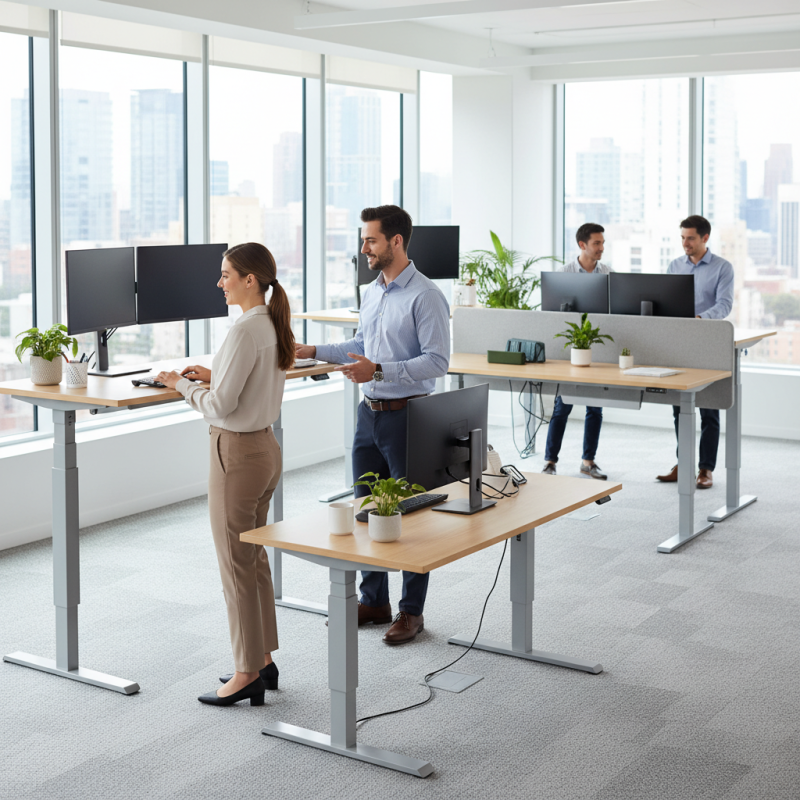
Understanding the Benefits of Stand Up Desks for Office Health
Stand up desks are gaining traction due to their health benefits in office environments. Research shows that prolonged sitting can lead to significant health issues, including obesity, diabetes, and cardiovascular diseases. According to a study published in the Journal of Physical Activity and Health, using a sit-stand desk can help reduce sedentary time by approximately 1.5 hours daily. This reduction improves metabolic health and enhances overall productivity.
One crucial tip when selecting a stand up desk is to ensure it can be adjusted easily. A desk that accommodates different heights encourages movement and prevents fatigue. Many users report feeling more energized after switching to a standing setup. However, inconsistent use may lead to discomfort and fatigue, so finding a balance is essential. Integrating short walking breaks into your routine is advisable.
Another factor to consider is the design of your workspace. A well-organized area promotes better posture and reduces strain. Studies indicate that proper ergonomics can decrease the risk of musculoskeletal disorders by 33%. Evaluate your chair and monitor height to ensure they align well with your desk. Remember, while standing desks carry numerous benefits, inconsistency can diminish their effectiveness.
How to Choose the Best Stand Up Desks for Your Office Needs? - Understanding the Benefits of Stand Up Desks for Office Health
| Feature |
Description |
Benefits |
| Adjustability |
Height adjustable to suit user preferences. |
Promotes ergonomic posture and comfort. |
| Stability |
Designed to remain stable while in use. |
Reduces the risk of accidents and distractions. |
| Material |
Constructed from durable materials, such as metal and wood. |
Ensures long-lasting use and stability. |
| Design |
Modern aesthetics that complement office decor. |
Enhances the overall office environment. |
| Storage Options |
Includes compartments for organizing office supplies. |
Keeps workspace tidy and efficient. |
| Price Range |
Varies widely based on features and materials. |
Provides options for different budgets. |
Assessing Your Workspace: Size and Layout Considerations
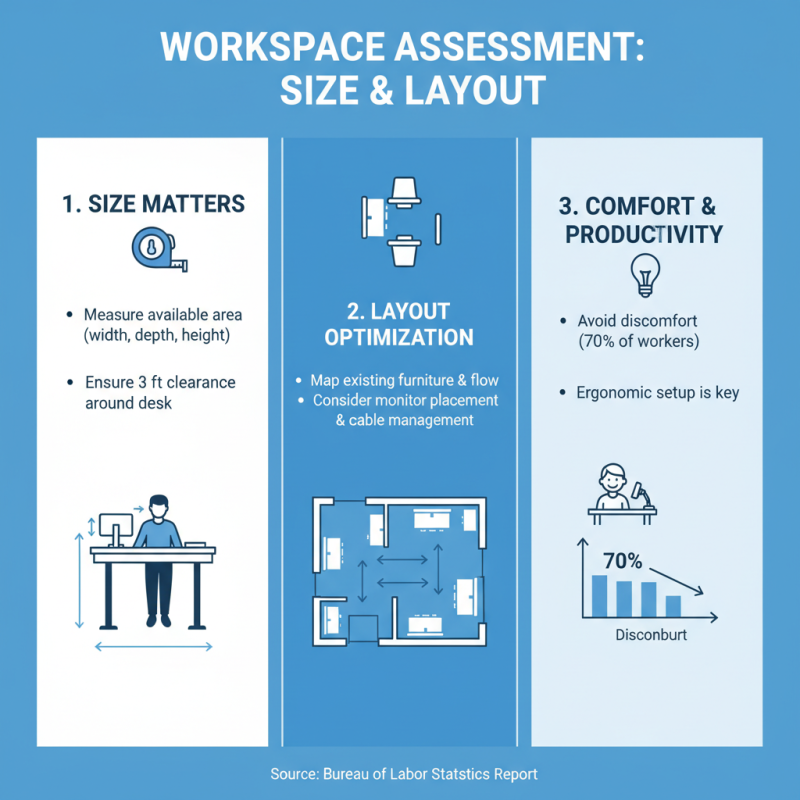
Assessing your workspace is crucial in choosing the right stand-up desk. The size and layout of your office significantly impact your productivity and comfort. According to a report from the Bureau of Labor Statistics, over 70% of office workers experience discomfort due to inadequate workspace design. Hence, evaluating your space before purchasing a desk is necessary.
Begin by measuring your office area. A typical stand-up desk requires at least 60 inches in width to accommodate workspace essentials like monitors and keyboards. If your room is tight, consider compact models that can adjust in height while saving space. However, it's easy to overlook the need for mobility. Desks on wheels can change your office layout and workflow easily. But they can also become a trip hazard if not secured.
Additionally, think about layout flow. The desk should allow easy movement around the office. It’s essential to keep pathways clear and ensure that the desk doesn’t obstruct natural light. At times, users might feel overwhelmed with the desk's height settings. It can lead to an inefficient setup. Take the time to experiment and adjust settings according to comfort. These reflections can greatly enhance your workspace effectiveness.
Evaluating Ergonomic Features: What to Look For in Stand Up Desks
Choosing the right ergonomic features in stand-up desks is crucial for enhancing office productivity. A report from the American Journal of Preventive Medicine notes that interactive standing can reduce sedentary behavior by 50% in a work environment. This substantial reduction is essential for maintaining energy levels throughout the day.
When evaluating ergonomic features, adjustable height is vital. A desk that raises and lowers easily helps accommodate various users. Most experts recommend that a desk be adjustable between 22 to 48 inches to cater to different heights. Additionally, a desk with a sturdy base ensures stability while standing or sitting. It's important to note that not all workstations provide this essential stability, and a wobbly desk can lead to distractions.
Consider the area where the desk will sit. Look for options that provide enough space for essential items while not overcrowding the workspace. A cluttered area can lead to decreased focus and increased stress. Furthermore, pay attention to the surface material. High-quality materials can enhance both durability and comfort. Although every feature contributes to ergonomic design, not every desk will fulfill all needs. Regular assessments are necessary to confirm the desk continues to support healthy habits.
Comparing Materials and Durability: Choosing Quality Over Price
When selecting a stand-up desk, focusing on materials and durability is crucial. Many desks are made from particleboard, which may seem affordable at first. However, this material can warp over time.
Solid wood or metal frames offer better longevity. They withstand daily use and the weight of equipment without bending. Investing in quality can save you money in the long run.
Consider the finish and assembly, too. Some desks require complicated setups, leading to frustration. A well-constructed desk doesn’t just look good; it functions well and remains stable.
Look for warranties that reflect confidence in the product. A 5-year guarantee often indicates higher quality.
Think about your office environment. A desk should endure your specific needs. Do you often move it, or does it remain stationary?
Evaluate your situation. Sometimes, cheaper options look appealing but don't hold up. Reflect on where you're placing your desk. This decision impacts your workspace efficiency.
Each choice matters in creating a functional office that supports your work style.
Budgeting for a Stand Up Desk: Options for Every Price Range
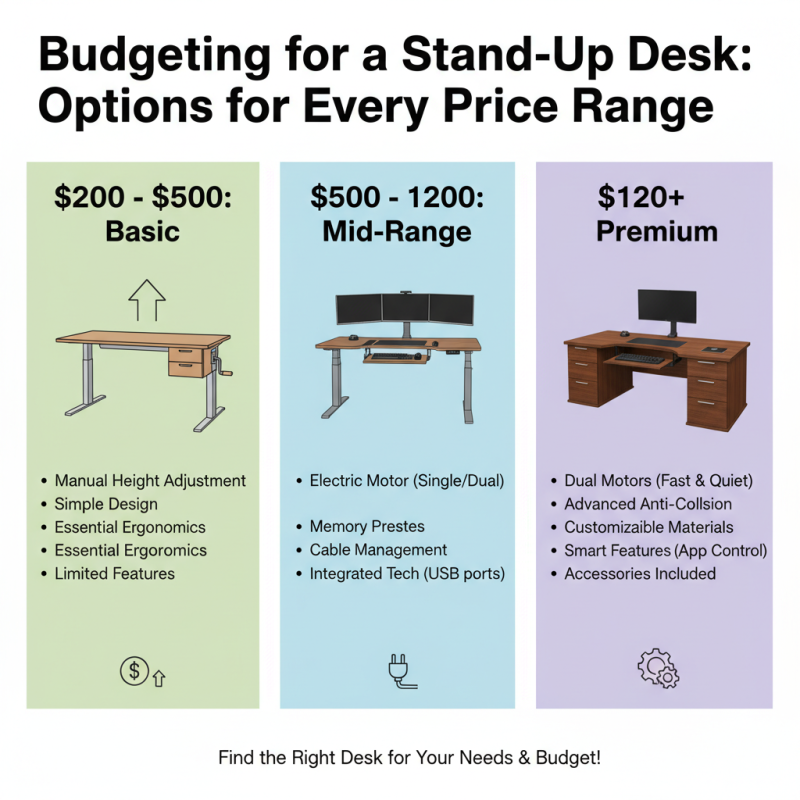
When budgeting for a stand-up desk, it's essential to consider various price ranges. Basic models can start as low as $200. These desks generally offer manual height adjustment. They may lack advanced features but still provide ergonomic benefits.
Mid-range options, typically between $300 and $600, often include electric height adjustments. They may also feature more sturdy materials and better aesthetics. You can find models with programmable settings for convenience. For some, the additional cost is worth the improved functionality.
High-end desks can exceed $1,000. These come with premium materials, exceptional durability, and extensive customization options. However, such an investment might not be necessary for everyone. Evaluate your office needs before committing. Determine what features you truly require and if the budget aligns. This reflection helps ensure your choice suits both your workspace and wallet.