How to Choose Hotel Furniture That Elevates Guest Experience?
When selecting hotel furniture, the impact on guest experience can be profound. Studies show that well-designed furniture enhances comfort and creates memorable stays. According to the "Global Trends in Hotel Furniture Design" report, over 75% of guests say furniture quality influences their overall satisfaction.
Expert Richard Hartman, a leading authority in the hotel furniture industry, states, "The right furniture choices transform spaces and elevate guest experiences significantly." His insights highlight how elements like ergonomic chairs and stylish tables can enhance both functionality and aesthetics.
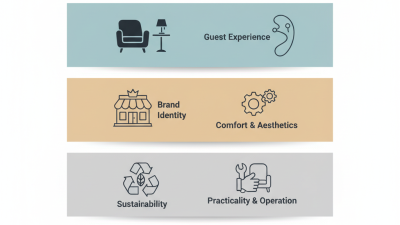
While luxury is important, functionality shouldn't be overlooked. Striking a balance between comfort and practicality often poses challenges. Not all hotels realize the weight of furniture choices in shaping perceptions. It’s crucial to reflect on how far hotel furniture can extend beyond mere decor and contribute to overall hospitality.
Understanding the Importance of Hotel Furniture in Guest Experience
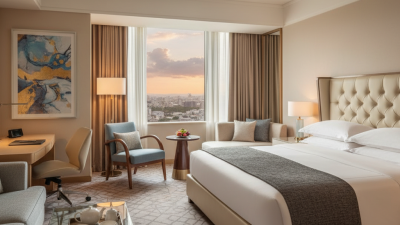
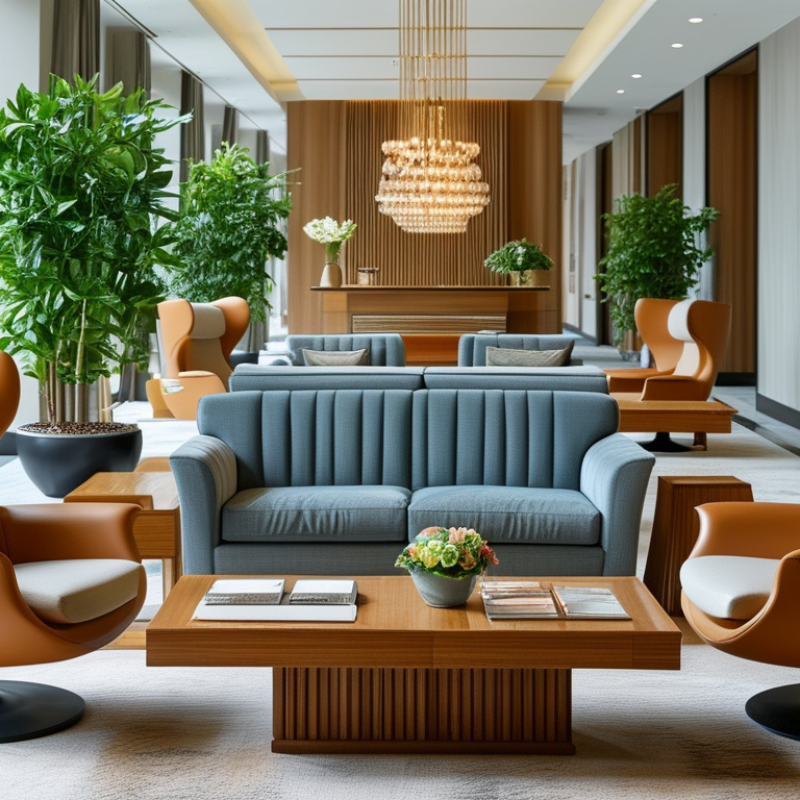
Choosing the right furniture for hotels is more than just aesthetics. Hotel furniture plays a vital role in creating a welcoming environment. Comfortable seating, sturdy tables, and functional pieces help guests feel at home. It’s essential to select items that reflect the hotel's theme while ensuring versatility and comfort.
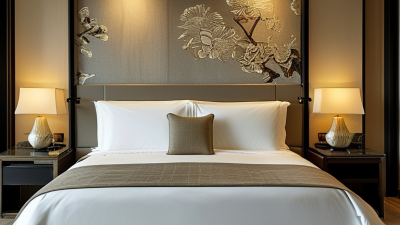
Materials matter significantly in the guest experience. Soft, durable fabrics make for inviting seating, while hard-wearing surfaces stand up to heavy use. Uncomfortable furniture can lead to negative feedback. Paying attention to detail, such as the height of a chair or the depth of a bed, influences how guests perceive comfort. Thoughtful choices here elevate the overall experience.
Moreover, purpose and functionality can't be overlooked. Furniture should facilitate ease of movement and create a natural flow. Sometimes, what looks good doesn’t work well. Balancing style and utility is crucial. Feedback can guide improvements. Regular assessments of furniture based on guest reviews can reveal hidden flaws. Making adjustments can significantly enhance satisfaction.
Identifying Guest Preferences through Industry Surveys and Trends
Understanding guest preferences is essential for hotel success. Industry surveys reveal important insights into what guests prioritize during their stays. Comfortable beds and unique furnishings are consistently highlighted. Guests desire a space that feels both stylish and inviting.
Surveys also show a growing trend towards sustainable and locally sourced materials. Guests appreciate eco-friendly options and make choices based on them. However, not all hotels act on this knowledge. Some fail to adapt to these preferences, risking poor guest satisfaction. Engaging with feedback can provide insights that shape effective furniture selections.
Design choices can make or break the guest experience. Thoughtful placement of furniture can enhance flow and accessibility. Lighting must complement the furnishings to create a warm ambiance. Yet, some hotels overlook the importance of layout. This can lead to overcrowded or underutilized spaces. Inconsistencies in style may confuse guests and detract from their overall enjoyment. Balancing trends with personal touches can elevate a guest's stay significantly.
Selecting Functional and Aesthetic Designs for Enhanced Comfort
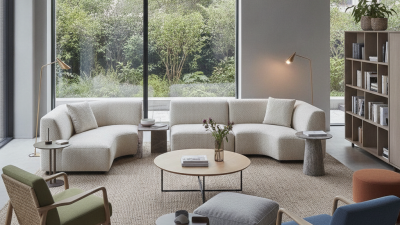
Choosing the right hotel furniture is crucial for enhancing guest comfort and satisfaction. Functional, yet stylish designs play a significant role in this process. Consider the layout of your spaces. Each piece should not only fit well but also encourage flow. For example, lounge chairs should be inviting without blocking pathways. It's important to pick upholstery that feels good and stands up to wear and tear. A mix of textures can add warmth and depth to the environment.
Aesthetics also matter. Colors and shapes can create a specific mood. Softer tones tend to relax guests, while vibrant details can generate excitement. However, striking the right balance can be tricky. Too many contrasting designs may create visual chaos. Reflect on what vibe you wish to convey. Your guests should feel at ease, yet inspired.
Moreover, durability should not be overlooked. Choosing materials that stand the test of time is vital. Some finishes may look beautiful initially but fail over time. Regular maintenance is necessary. Guests will notice if the furniture appears worn or neglected. Addressing these details may require ongoing effort and investment. The right choices empower guests, so take time to reflect on each decision.
Investing in Durable Materials That Meet Hospitality Standards
Choosing the right furniture for hotels is crucial. The materials used must be durable and meet the high standards of the hospitality industry. A report by the Hospitality Design Association highlights that nearly 70% of guests prioritize comfort and style in their stays. Selecting the right materials can significantly elevate guest experiences.
Durability is non-negotiable. According to a study by IBISWorld, the hotel furniture market is expected to grow by 5.2% annually. This growth reflects the increasing need for sustainable, resilient materials. Furniture made from high-quality wood, metal, and upholstery can endure the heavy use seen in hotels. It decreases maintenance costs over time and fosters a sense of reliability for guests.
It's not just about aesthetics; practicality matters. The American Society for Testing and Materials emphasizes the importance of safety standards. Furniture must not only look good but also withstand wear and tear. Investing in durable options can reduce the need for frequent replacements, saving costs and improving guest satisfaction. Thoughtful selections in furniture lead to memorable stays, yet many establishments overlook these details in pursuit of trends. This oversight may ultimately impact their reputation.
Incorporating Technology into Furniture for Modern Guest Needs
In the modern hospitality industry, integrating technology into hotel furniture is crucial. According to a report by the Hospitality Technology magazine, nearly 70% of guests value tech-enabled solutions in their accommodations. Smart furniture is more than a luxury; it meets essential needs. For instance, adjustable desks with built-in USB ports offer convenience for business travelers, allowing them to work efficiently while staying in a hotel.
Voice-activated controls for lighting and temperature can also enhance guest comfort. A study from the International Journal of Hospitality Management highlights that 65% of millennials prefer properties that provide smart room technology. Implementing such innovations not only elevates the guest experience but also streamlines hotel operations. However, the challenge lies in balancing tech with comfort. Overly complex systems can frustrate users. Therefore, hotel operators must prioritize intuitive designs to avoid overwhelming guests.
Additionally, investing in multi-functional furniture can save space and meet diverse guest needs. Fold-out beds or modular seating encourage flexibility. Yet, these features must be durable and attractive. Balancing aesthetics with functionality is essential but can often prove difficult. The key is to understand the target demographic and tailor solutions accordingly. In this tech-savvy era, successful hotel furniture must combine innovation with practicality to truly elevate the guest experience.