How to Choose Office Furniture for a Productive Workspace?
Creating a productive workspace starts with choosing the right office furniture. Studies show that 61% of employees believe a well-designed workspace boosts their productivity. Office furniture plays a vital role in optimizing comfort and promoting focus. The right desk, chair, and storage solutions can enhance efficiency, reduce distractions, and improve overall well-being.
Investing in quality office furniture is essential. A report by the American Psychological Association indicates that ergonomic furniture significantly reduces the risk of musculoskeletal disorders. When employees feel physically comfortable, they can concentrate better. Yet, many organizations overlook the importance of selecting the appropriate pieces. Sometimes, choices are made based on aesthetics rather than functionality.
Additionally, the trend towards remote work has led to varied needs in office furniture. Employees now appreciate adaptability in their workspaces, whether at home or in the office. The challenge lies in understanding how each piece can contribute to a holistic work environment. This understanding is crucial for fostering collaboration and creativity. Office furniture should not just look good; it must enhance productivity, too.
Identifying Your Workspace Needs for Optimal Productivity
Identifying workspace needs is crucial for creating an environment that boosts productivity. Consider the type of work performed. A creative designer may require a flexible space with ample room for inspiration. Conversely, a data analyst may benefit from structured seating and effective organization. Think about the tasks you do daily. Do you need to collaborate often? Ensure you have communal spaces for teamwork.
Next, analyze your preferences. Some individuals work better in quiet settings. Others thrive in lively environments. Assess how the layout can accommodate both. Your chosen furniture should cater to these aspects. Is an ergonomic chair mandatory for your long hours? Do you require a desk that allows for standing? Address these questions to guide your choices.
Lastly, reflect on aesthetics and functionality. While style matters, the furniture must serve a purpose. A beautiful desk can still contribute to clutter if it's not practical. Balance between striking design and usability is key. Take time to visualize your ideal work scenario, and let that guide you in selecting the right pieces.
Understanding Ergonomics in Office Furniture Selection
When selecting office furniture, understanding ergonomics is crucial. Poor ergonomics can lead to discomfort and inefficiency. According to a report by the American Chiropractic Association, nearly 80% of Americans will experience back pain at some point. This statistic stresses the importance of proper seating and desk height. A chair that supports the lower back enhances posture and minimizes strain during long working hours.
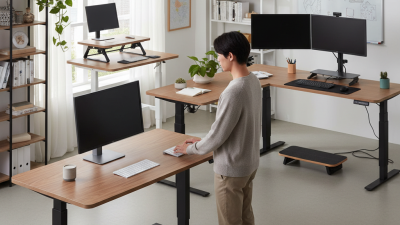
Investing in adjustable furniture boosts worker productivity. Studies show that employees with ergonomic setups report a 25% increase in productivity. Adjustable desks allow for variations between sitting and standing. This change can invigorate employees and break the monotony of static postures. Researchers emphasize the need for diverse movements throughout the day.
However, many overlook the importance of ergonomics. Some may opt for cheaper, non-adjustable furniture, sacrificing health for cost. This short-term savings may lead to long-term health expenses. Creating a productive workspace requires careful consideration of each piece of furniture. The most effective work environment promotes well-being while encouraging efficiency and creativity.
Choosing the Right Materials and Aesthetic for Your Workspace
Choosing the right materials and aesthetic for your workspace can greatly impact productivity. Industry studies show that comfort and style directly influence employee satisfaction and efficiency. For example, a report from the Harvard Business Review found that well-designed spaces can boost employee creativity by up to 20%. This means your choice of furniture matters, not just for aesthetics but for functionality.
Natural materials, like wood and metal, often create a warm yet professional look. They are durable and timeless, enhancing the workspace’s overall atmosphere. The color palette is equally crucial. Bright colors can energize, while muted tones may promote calmness. Research indicates that workspaces reflecting company culture can improve employee engagement by 30%. This suggests a need to align choices with the brand identity.
However, it’s essential to reflect on potential oversights. Sometimes, organizations prioritize style over comfort. This can lead to employee discomfort and decreased productivity. Balancing aesthetics with ergonomic design is vital. Finding that equilibrium often requires trial and feedback from employees. A desirable aesthetic should also allow for flexibility and adaptability in workspace arrangements.
Maximizing Space with Functional and Flexible Furniture Choices
In a modern workspace, furniture plays a crucial role in productivity. When selecting furniture, focus on functionality and flexibility. For example, a modular desk can adapt to various tasks. It can transform from a standard workspace to a collaborative area, catering to diverse needs. Invest in chairs that support good posture; ergonomic designs can reduce discomfort during long hours of work.
Maximizing space is essential, particularly in smaller offices. Multi-use furniture, like ottomans with storage, keeps the area clutter-free. It allows for easy organization while providing seating. Consider height-adjustable desks for versatility. They enable workers to switch between sitting and standing, promoting movement throughout the day. This choice can enhance focus and energy levels.
Despite these advantages, finding the right balance can be challenging. Not every piece will fit perfectly in your space. Take time to measure and visualize layouts. Some flexibility in design can help in making more effective choices. Reflecting on your daily tasks can guide your selections, ensuring that the workspace meets practical needs over aesthetics. Making thoughtful decisions will create a more productive environment.
Budget Considerations and Prioritizing Quality in Office Furniture
Choosing office furniture requires careful thought, especially regarding budget and quality. It's easy to get lured by flashy designs, but always remember that practical choices lead to a productive workspace. Invest in essential pieces that promote comfort and efficiency. Poor quality furniture can lead to discomfort and dissatisfaction, which affects productivity.
When setting your budget, consider the long-term benefits of quality items. A sturdy desk or ergonomic chair might cost more upfront, but they last longer and enhance comfort. Inexpensive options may need frequent replacement, leading to higher costs down the line. Evaluate your needs thoroughly. A well-designed workstation can greatly improve focus.
Focus on functionality. Measure your space to ensure that new items fit and allow for movement. Consider versatile pieces that adapt to different tasks. Look for adjustable chairs and desks if you plan to work long hours. Not all furniture has to match perfectly; unique combinations can add character. Reflect on what you really need versus what looks nice. Prioritizing quality over appearance often leads to greater satisfaction in your workspace.
Office Furniture Budget Considerations