Top Office Furniture Trends for Your Workspace in 2026?
As we approach 2026, the landscape of office furniture is evolving rapidly. Industry expert Dr. Emily Wang, a leading designer in workspace solutions, emphasizes, "The right office furniture can inspire creativity and enhance productivity." This insight reflects a growing understanding of how furniture choices impact the work environment.
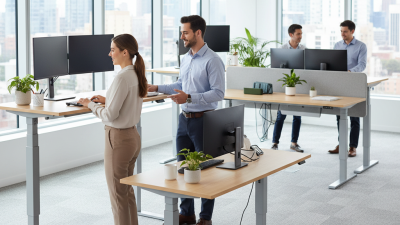
Modern designs are focusing on flexibility and sustainability. Ergonomic chairs, adjustable desks, and collaborative workstations are becoming essential components. Workers now seek spaces that not only accommodate their tasks but also promote well-being. High-quality materials and innovative designs are gaining traction, yet not all businesses embrace these trends.
Many organizations still rely on outdated models, which can hinder productivity. Investing in contemporary office furniture is not only a trend but a necessity for future-focused workspaces. As companies reassess their environments, the challenge remains: how to balance aesthetics with functionality. The choices made today will shape the experiences of tomorrow's workforce.
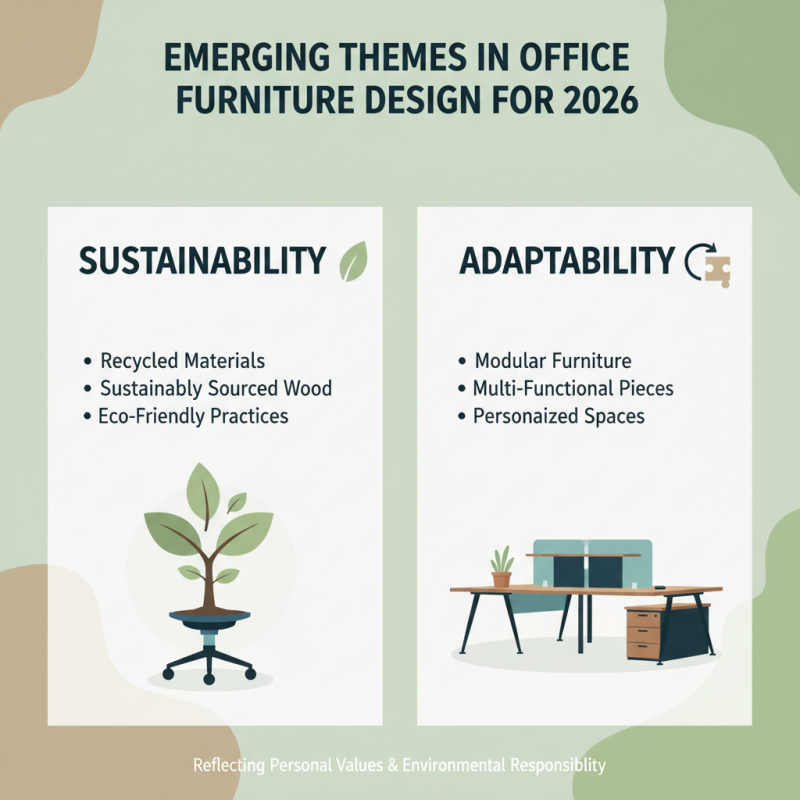
Emerging Themes in Office Furniture Design for 2026
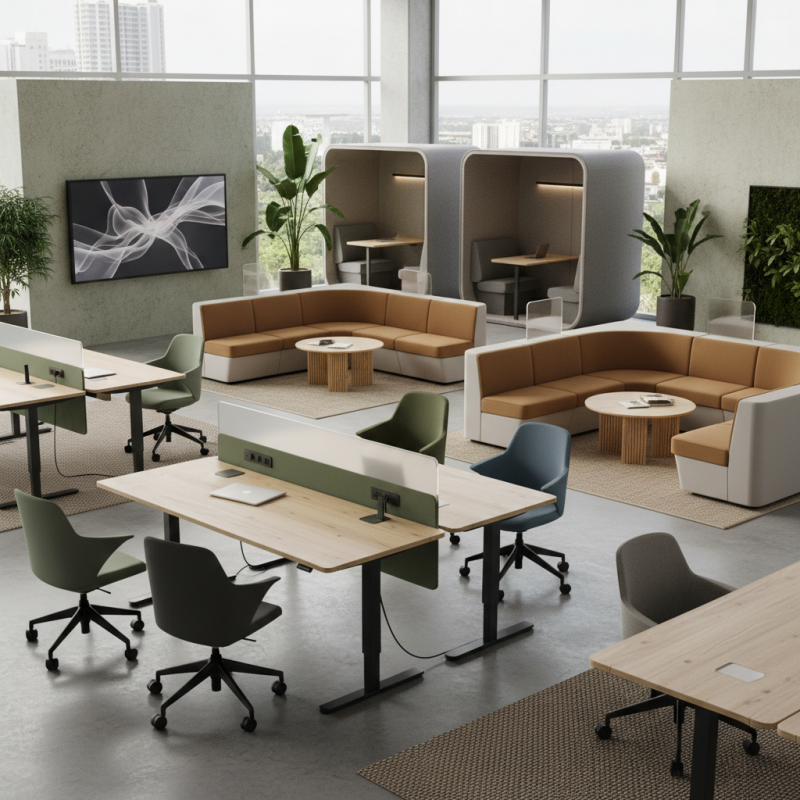
As we look ahead to 2026, the trends in office furniture design are increasingly focused on sustainability and adaptability. Workers today seek spaces that reflect their personal values, including environmental responsibility. Furniture made from recycled materials or sustainably sourced woods will gain popularity. This shift is not just a trend; it reflects a growing demand for eco-friendly practices in every aspect of our lives.
Another emerging theme is the increase in flexibility. With more people working remotely, the need for versatile furniture that can be easily reconfigured is vital. Modular desks and movable partitions will allow workers to customize their spaces according to their tasks. However, while flexibility is key, it can sometimes lead to clutter. A careful balance between mobility and organization is essential to create effective work environments.
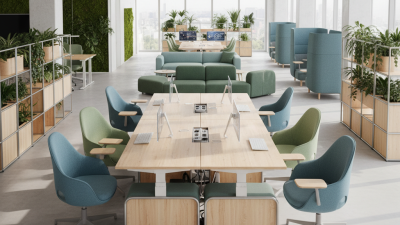
Lastly, biophilic design will be an important consideration. Integrating natural elements, like plants and natural light, will enhance well-being and productivity. However, this approach might require ongoing maintenance and design adjustments. Striking a balance between bringing nature indoors and sustaining it can be challenging. Embracing these themes means not only innovating designs but also continuously adapting to the ever-changing needs of the workforce.
Sustainable Materials and Eco-Friendly Practices in Workspaces
As we look toward 2026, the emphasis on sustainable materials and eco-friendly practices is reshaping workspaces. Studies show that 90% of employees prefer green offices. Employees report feeling healthier and more productive in such environments. It’s encouraging businesses to adopt sustainable furniture options made from recycled or reclaimed materials.
Wood, once harvested from old-growth forests, is increasingly sourced from responsibly managed forests. Bamboo is another choice; it grows quickly and is less resource-intensive. Reports indicate that furniture made from sustainable materials can reduce a company’s carbon footprint by up to 30%. Yet, many workplaces still rely on conventional materials, which raises questions about commitment to sustainability.
Lighting also plays a crucial role. Natural light improves mood and efficiency. Companies that invest in large windows and skylights see an increase in employee satisfaction. However, not all workspaces make this shift. Many still opt for fluorescent lights, which are energy-consuming. Exploring alternative solutions is essential for embracing eco-friendly practices fully. The journey toward sustainability is often imperfect but necessary for a healthier future.
Innovative Workspace Layouts: Flexibility and Functionality
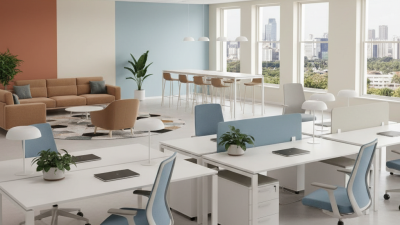
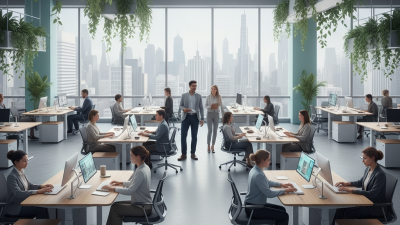
In 2026, innovative workspace layouts will redefine how we perceive functionality in offices. Flexibility is key. Businesses will prioritize adaptable spaces that cater to various working styles. For instance, modular furniture allows employees to reconfigure their workstations easily. This approach encourages collaboration and boosts productivity.
Creating distinct zones within an office will become increasingly popular. Quiet areas for focused work can coexist with open spaces for group activities. The right balance is essential. Designers must consider elements like acoustics and lighting to create a comfortable atmosphere. Effective use of natural light can enhance productivity but may require strategic planning.
However, not all designs are foolproof. Implementing flexible layouts can lead to challenges. For example, too much open space can result in distractions. Companies must reflect on the needs of their workforce. Seeking employee feedback can ensure that new designs support their work habits. Balancing aesthetics with practicality is crucial for creating a truly innovative workspace.
Smart Technology Integration in Office Furniture Solutions
The integration of smart technology in office furniture is reshaping workspaces in 2026. According to a report by Future Workplace, 72% of professionals believe that smart furniture enhances productivity. Features like wireless charging, built-in speakers, and app connectivity are becoming standard. These innovations allow employees to customize their environments easily.
However, not all implementations are seamless. Some workers report that overly complex technology can be distracting. For instance, 50% of employees feel overwhelmed by too many features, which can lead to frustration. Balancing functionality with ease of use is crucial. Not every office has mastered this yet.
Workspaces now prioritize flexible layouts. Smart desks adjust with the user’s preferences, promoting better ergonomics. Studies show that ergonomic designs reduce workplace injuries by 20%. This data suggests that as we embrace technology, a focus on human needs remains vital. The goal should be to create environments where technology supports rather than complicates daily tasks.
Employee Wellbeing and Ergonomics: A Priority in Office Design
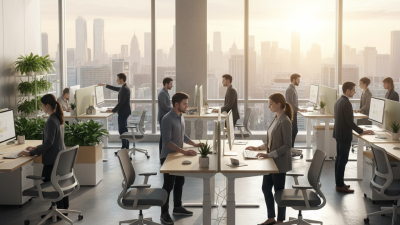
In 2026, employee wellbeing takes center stage in office design. Ergonomics is no longer an afterthought. Proper furniture promotes comfort and productivity. Adjustable desks, ergonomic chairs, and collaborative workspaces are essential. These elements cater to diverse work styles and physical needs.
However, the transition to more ergonomic setups is not without challenges. Some employees may resist change, preferring traditional arrangements. This reluctance can hinder the full benefits of ergonomic design. To counter this, organizations should provide training on using new furniture. Employees need encouragement to embrace these modern solutions.
Creating an environment focused on wellbeing fosters a positive workplace culture. Plants and natural light are vital. They contribute to both mental health and productivity. Yet, the challenge lies in balancing style with functionality. Aesthetic appeal should not compromise comfort. The journey toward an ideal workspace must continually evolve.