How to Choose the Best Computer Desk for Your Home Office?
Choosing the right computer desk for your home office is a vital decision. The ideal desk can enhance your productivity and comfort. It is essential to understand your needs and workspace. A suitable computer desk should support your work style and fit your environment.
Consider the desk's size. Will it occupy your entire room or just a corner? Take note of the materials used. Wood, metal, or glass each provide different aesthetics and functionality. You might prefer a minimalist design or something with ample storage. Ultimately, your desk should reflect your personality and work habits.
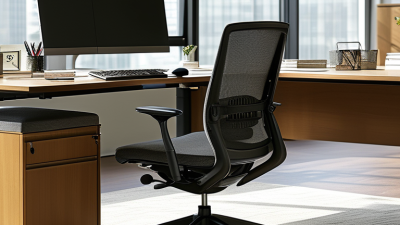
Think about ergonomics while choosing. A well-designed desk can prevent strain and injury. Height adjustable desks have gained popularity for this reason. Don't ignore cable management options either. Clutter can disrupt your focus. Reflect on your choices and remember, the perfect computer desk is the one that meets your unique needs and boosts your efficiency.
Factors to Consider When Choosing a Computer Desk for Home Offices
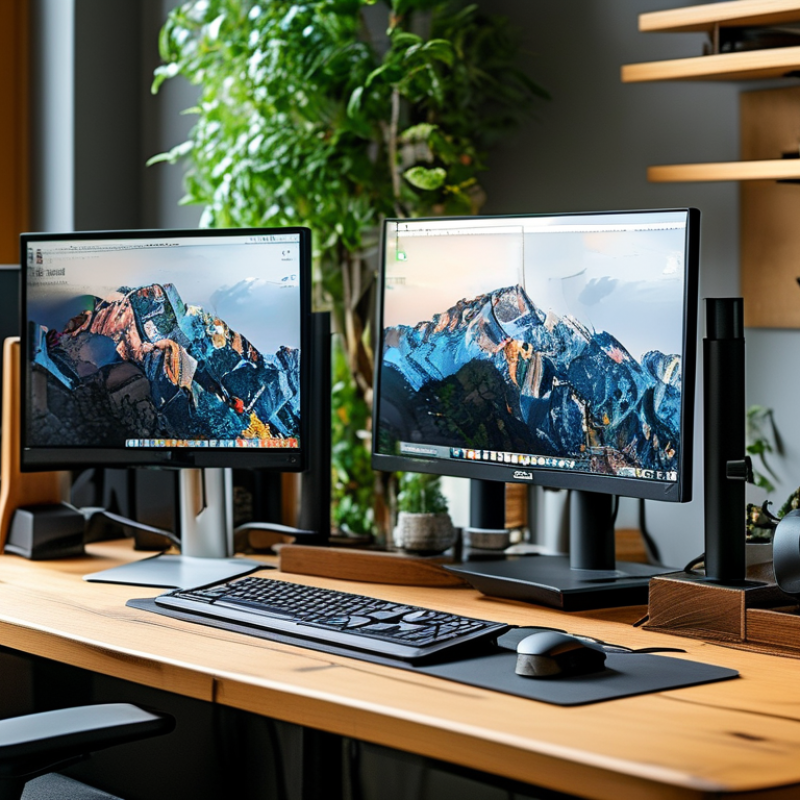
When selecting a computer desk for your home office, several factors deserve attention. One critical aspect is the desk size. A desk that is too large can overwhelm a small space. Conversely, a desk that’s too small may compromise your work efficiency. Measure your available space carefully. Additionally, consider the desk height. An ergonomic design promotes comfort during long hours of work. A desk that is too high or low can lead to strain and distraction.
Another factor to reflect on is storage. A desk with built-in drawers can help keep your workspace organized. Clutter can impede focus and productivity. Assess your storage needs based on your work items. Are documents and devices easily accessible? Pay attention to the materials used in the desk. Quality materials ensure durability, while cheaper options may buckle under pressure.
Aesthetics should not be ignored, either. The desk should complement your home office decor. A mismatched design can create visual chaos. However, it's essential to prioritize functionality over appearance. Visual appeal does not replace practical needs. If the desk arrangement limits movement or feels cramped, it’s time for a reassessment. Ensure that your choices align with your work habits and lifestyle for optimal results.
Optimal Desk Dimensions Based on Ergonomics and Space Constraints
When it comes to choosing the ideal computer desk for your home office, understanding desk dimensions is crucial. Ergonomics plays a significant role in comfort and productivity. A desk height between 28 to 30 inches is typically suitable for most users. However, individual preferences may vary, so always consider your own height.
A desk that is too high or low can strain your neck and back. Ideally, your elbows should rest at a 90-degree angle while typing. The surface space should be ample, around 48 to 72 inches wide, allowing room for a monitor, keyboard, and additional accessories. Many people overlook the importance of legroom. A depth of 24 inches or more ensures you have space to stretch your legs and stay comfortable.
Tips for choosing your desk: Measure your available space first. Knowing your room dimensions guides your options. Avoid desks that crowd the space. Leave at least 36 inches for movement around the desk. Remember, aesthetics matter. A desk that matches your decor can make working from home more enjoyable. Finally, seek feedback from users with similar requirements. Their experiences can guide your choice.
Material Types and Their Impact on Durability and Aesthetics
Choosing the right material for your computer desk can hugely impact your home office experience.
Wood, metal, and
laminate are common options, each with unique features.
Solid wood offers timeless aesthetics
and durability. However, it may be susceptible to moisture damage.
Metal desks are robust and modern, ideal for minimalistic spaces.
They're often cold and hard, which might affect comfort. Laminate
is lightweight and versatile but can wear out over time.
Consider how the material fits your workspace. A wooden desk brings warmth and charm,
making it inviting. Metal desks may evoke a sleek, industrial vibe, yet might not feel as cozy.
Think about your long-term needs. A beautiful desk may catch your
eye but could fail to meet durability standards. Reflect on how you'll use the desk daily.
Will it handle your workload? Is it easy to maintain? Balancing aesthetics
and function is vital for a productive home office.
Understanding Cable Management Solutions for a Clutter-Free Workspace
Creating a clutter-free workspace is essential for productivity. Effective cable management plays a crucial role in achieving this goal. Tangles of wires can create a chaotic atmosphere, making it hard to concentrate. A well-organized desk promotes focus and efficiency.
Consider using cable trays or clips. They help separate and organize cords, keeping them out of sight. This simple solution reduces visual clutter on your desk. Also, using adhesive hooks can guide cables along the edges of your desk. This keeps them from tangling while also maintaining a clean aesthetic.
It’s vital to plan your setup. Before installing any cable management solutions, map out your space. Identify where devices will be placed. This prevents the need for frequent adjustments. Don’t underestimate the power of labels, either. Labels help you identify which cable belongs to which device, making future adjustments easier. Reducing frustration in your work environment enhances overall well-being.
Best Computer Desk Styles for Home Office
This chart illustrates the popularity of different types of computer desks among home office users. The data represents preference percentages based on a survey of home office workers.
Trends in Home Office Desk Designs: Functionality Meets Style
In recent years, home office desk designs have evolved significantly to balance functionality and aesthetic appeal. According to a report from the International Workspace Association, 70% of remote workers prioritize desk ergonomics and design. This shift reflects a growing awareness of the impact of a well-designed workspace on productivity and well-being. Desks with adjustable heights and integrated cable management systems are becoming increasingly popular, meeting the needs of users seeking comfort and organization.
Style trends also play a crucial role in desk selection. Natural materials such as wood are favored, adding warmth to workspaces. A study by the Office Furniture Industry Association highlights that 65% of employees feel more satisfied and motivated with desks that complement their home decor. However, with so many options, consumers often face decision fatigue. The challenge lies in prioritizing essential features over trendy designs.
Incorporating personal touches into desk spaces can enhance creativity. Many individuals are experimenting with multifunctional designs that offer innovative storage solutions. Yet, some may invest in elaborate setups only to find that simplicity better suits their needs. Striking a balance between style and practicality is an ongoing journey for many remote workers, emphasizing that there’s no one-size-fits-all solution.