Top 10 Computer Desk Styles for Ultimate Productivity and Comfort
In today's fast-paced work environment, the choice of a Computer Desk plays a pivotal role in enhancing productivity and comfort. According to a report by Ergonomic Design Solutions, 70% of employees experience discomfort due to inadequate desk setups. This statistic underscores the importance of choosing the right desk. Renowned workplace ergonomics expert Dr. Emily Hartman emphasizes, "A well-designed workspace can significantly reduce fatigue and boost efficiency."
Various Computer Desk styles cater to different needs and preferences. From ergonomic sit-stand desks to traditional large writing desks, each offers unique benefits. However, some designs may lack necessary adjustability, leading users to reconsider their options. This highlights the need for careful selection.
Investing in a Computer Desk that aligns with your work habits can transform your workspace. Yet, many overlook essential features, ultimately hindering their productivity. Reflecting on personal comfort and functionality can guide better choices in desk design.
The Importance of Choosing the Right Computer Desk Style
Choosing the right computer desk style is essential for maximizing productivity and comfort. A desk that suits your needs can improve focus, reduce fatigue, and enhance creativity. Everyone’s preferences vary, but understanding how desk design influences your work environment is key.
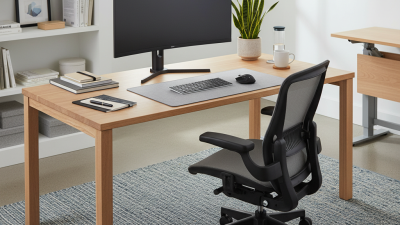
Consider ergonomics when selecting a desk. An ergonomic desk encourages healthy posture and reduces the chances of strain. Height-adjustable desks can be beneficial. They allow for both sitting and standing positions. This flexibility can combat fatigue during long work hours.
Tip: Choose a desk with ample surface space. A cluttered workspace can distract you. Ensure enough room for your computer, documents, and other tools. A clean, organized desk fosters a more productive atmosphere.
Take note of the material and aesthetics as well. The desk should resonate with your style while being durable. A visually pleasing desk can uplift your mood. However, remember that aesthetics shouldn’t overshadow functionality.
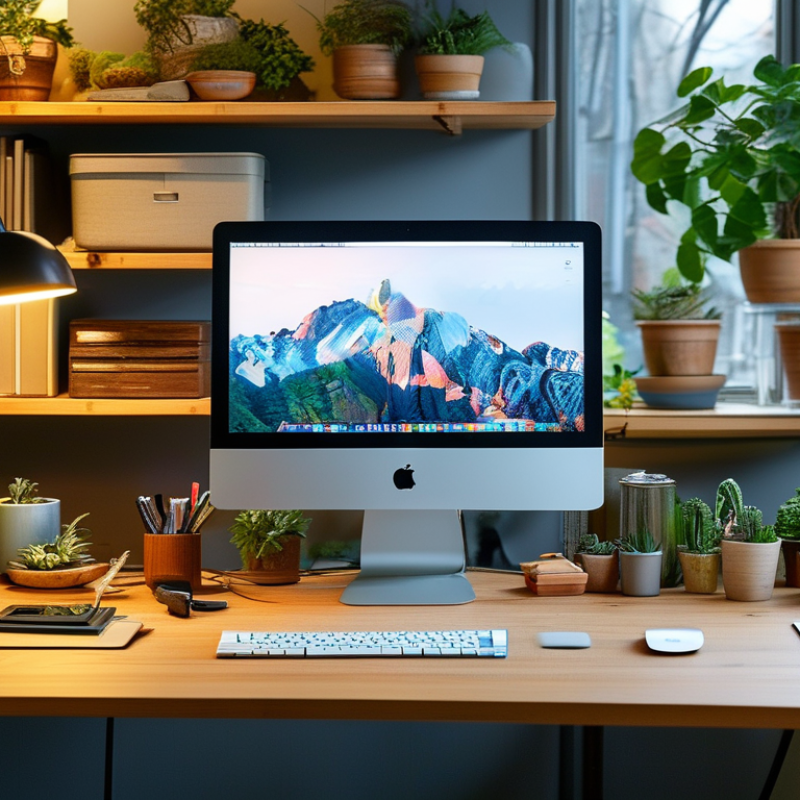
Tip: Personalize your workspace. Adding plants or inspiring artwork can motivate you. But, avoid overloading the space. Too many decorations can lead to distraction, counteracting the benefits of a well-chosen desk.
Key Features to Consider for Productivity and Comfort
When choosing a computer desk, consider the ergonomic features. A desk that adjusts in height can cater to different working positions. Opt for a surface that is spacious enough for your monitor, keyboard, and other essential items. A clutter-free workspace enhances focus. Minimalist designs can promote a clean look while maximizing productivity.
Storage solutions play a crucial role too. Desks with built-in drawers or shelving reduce clutter. This organization helps you access materials quickly. Additionally, the desk’s material matters. Solid wood offers durability, while lighter materials can facilitate easy relocation. The right desk can also improve comfort over long work hours.
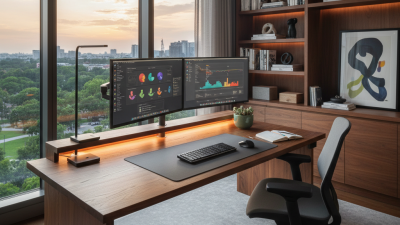
Lighting should not be overlooked. A desk positioned near natural light fosters a positive mood. However, consider adding a dedicated task lamp for late-night work. Lastly, personal touches, like plants or photos, can inspire creativity. Balancing aesthetics with functionality is key. Reflect on what works best for you, as each individual’s needs vary.
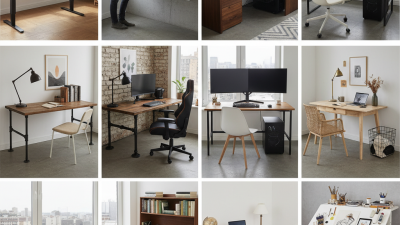
Top 10 Computer Desk Styles for Different Work Environments
In modern work environments, the choice of a computer desk significantly impacts productivity and comfort. A survey by the American Psychological Association found that 58% of employees believe their workspace affects their overall performance. Different styles serve various needs.
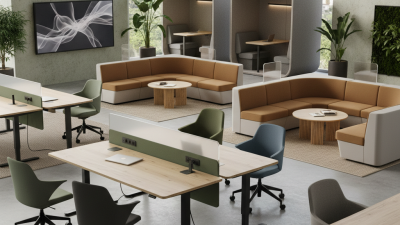
For minimalist spaces, a simple standing desk can improve focus and reduce fatigue. According to a report by the Global Wellness Institute, standing desks can increase productivity by 10%. Conversely, in collaborative setups, L-shaped desks encourage teamwork while providing individual workspaces. The design promotes both privacy and communication.
Tips: Consider your work style before choosing a desk. Measure your space carefully to ensure the selected desk fits perfectly. Experimenting with different desk arrangements can uncover the optimal setup for comfort and productivity. Don't hesitate to re-evaluate your choices if you find discomfort or distraction with your current desk.
Top 10 Computer Desk Styles for Ultimate Productivity and Comfort
| Desk Style |
Material |
Ideal For |
Features |
Price Range |
| Standing Desk |
Wood/Metal |
Home Office |
Height adjustable |
$200 - $600 |
| L-Shaped Desk |
Particleboard/MDF |
Corner Workspaces |
Space-saving |
$150 - $400 |
| Executive Desk |
Hardwood |
Corporate Offices |
Stylish & Spacious |
$500 - $1,500 |
| Compact Desk |
Metal/Wood |
Small Spaces |
Minimalist design |
$80 - $250 |
| Glass Desk |
Glass/Metal |
Modern Aesthetics |
Sleek Look |
$200 - $800 |
| Floating Desk |
Wood |
Small Rooms |
Space-efficient |
$100 - $300 |
| U-Shaped Desk |
Wood |
Large Offices |
Ample workspace |
$600 - $1,200 |
| Ergonomic Desk |
Wood/Metal |
Health-Conscious Users |
Promotes Good Posture |
$300 - $700 |
| Desk with Storage |
MDF/Wood |
Organized Spaces |
Enhanced Organization |
$150 - $600 |
| Writing Desk |
Wood |
Writers/Students |
Compact & Simple |
$100 - $400 |
How Desk Design Influences Ergonomics and User Experience
The design of a computer desk can significantly influence ergonomics and user experience. Studies show that an ergonomic desk can improve productivity by 10% to 20%. Features like adjustable height, depth, and surface area cater to different body types. This customization minimizes strain and discomfort. A desk that promotes good posture keeps users focused.
Research from the Occupational Safety and Health Administration (OSHA) highlights that poor desk design can lead to health issues. Workers may experience discomfort or pain after prolonged use. This is often due to desks being too high or low. A well-designed desk can prevent such problems, allowing users to work longer without fatigue. Comfort and productivity go hand in hand.
Choosing the right desk style also matters. A cluttered workspace can distract. A clear and organized desk encourages a serene work environment. Colors and materials can impact mood and inspiration. For instance, natural wood may evoke calmness. However, some may find it doesn't suit their needs. Reflecting on one’s preferences is crucial in selecting the ideal desk.
Tips for Personalizing Your Computer Desk Setup for Maximum Efficiency
Creating an efficient computer desk setup is essential for productivity. According to a study by the American Psychological Association, an organized workspace can increase efficiency by up to 20%. This emphasizes the importance of personalizing your desk to suit your specific needs.
Start by assessing your work habits. Do you require a standing desk for better posture? Balance is essential. A mix of sitting and standing can improve focus. Lighting plays a crucial role too. Natural light enhances mood and productivity. If you work at night, consider adjustable LED lights.
Incorporate elements that inspire you, like artwork or plants. Studies show that greenery can reduce stress by 30%. Personalizing your workspace reflects your style, helping you feel comfortable and motivated. However, avoid clutter; it can be distracting. Regularly evaluate your setup to identify what works and what doesn’t. A desk that evolves with your needs will always support your productivity journey.