How to Choose the Perfect Computer Desk for Your Office?
Choosing the right computer desk for your office can be a daunting task. Expert Frank Miller, a renowned workspace designer, once said, “The perfect workspace starts with the right desk.” This highlights the importance of selecting a computer desk that complements your work style and enhances productivity.
When considering a computer desk, think about the size and shape that fits your space. A compact desk may suit a small office, while a larger desk allows for more equipment. Remember, a cluttered desk can lead to disorganization. Pay attention to materials too. Desks made of durable materials often last longer and provide better support.
Don't forget about ergonomics. An uncomfortable desk can lead to health issues. Your computer desk should promote good posture and comfort. Reflect on how you work and what you need. The perfect desk may not exist, but the right one can transform your workspace. Investing time in this choice is worthwhile.
Understanding Your Workspace Needs
Choosing the perfect computer desk starts with understanding your workspace needs. Each workspace is unique, and so are the requirements. Consider the size of your office. A small desk can make an area feel cramped. A large desk can overwhelm a limited space. Measure your room and visualize how the desk will fit.
Next, think about your daily activities at the desk. Are you mainly typing on a laptop or working with multiple monitors? A sit-stand desk could be beneficial for those who prefer flexibility, but some may find it unnecessary. Assess what you truly need for comfort and productivity. Remember, aesthetics matter too. However, beauty should not sacrifice function.
Reflect on your personal habits when selecting storage options. An organized space can enhance focus, but too much storage can create clutter. Take time to evaluate your work style. Do you frequently rearrange your workspace? Maybe a modular desk could suit your needs better than a fixed design. Balancing functionality and style can guide your decision. Think about these factors carefully before making a purchase.
How to Choose the Perfect Computer Desk for Your Office? - Understanding Your Workspace Needs
| Desk Type |
Dimensions (L x W x H) |
Material |
Storage Options |
Price Range |
| L-Shaped Desk |
60" x 60" x 30" |
Wood |
Cabinets and Drawers |
$250 - $500 |
| Standing Desk |
48" x 24" x 30"-50" |
Metal & Wood |
Adjustable Height |
$300 - $700 |
| Corner Desk |
50" x 50" x 30" |
Particle Board |
Open Shelves |
$150 - $300 |
| Writing Desk |
48" x 24" x 30" |
Wood |
Minimal Storage |
$100 - $250 |
| Executive Desk |
72" x 36" x 30" |
Hardwood |
Built-in Drawers |
$500 - $1200 |
Determining the Right Size and Shape for Your Desk
Choosing the right size and shape for your computer desk is crucial for your office. A desk that fits well in your space can enhance productivity and comfort. Consider the layout of your office. Measure the area where you plan to place the desk. Ensure there is enough room for movement. If your office is small, a compact desk might be ideal. Corner desks can save space while providing ample work surface.
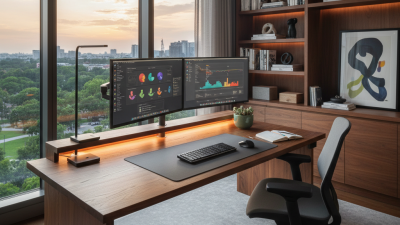
Think about the tasks you'll be performing. If you need multiple screens, a broader desk is necessary. Conversely, if your work requires minimal equipment, a simple design suffices. The height also matters. Desks should accommodate your chair and body measurements to promote good posture. Remember, the shape influences how you interact with your workspace. Rectangular desks are common but explore L-shaped or rounded options too.
Keep in mind that aesthetics play a role. A desk should complement your office decor. However, focusing solely on appearance can lead to poor choices. Reflect on your daily needs and habits. A desk should adapt to you, not the other way around. Prioritize functionality while balancing style. It’s okay to make mistakes; just learn and adjust as you go.
Choosing the Suitable Material and Style for Your Office Decor
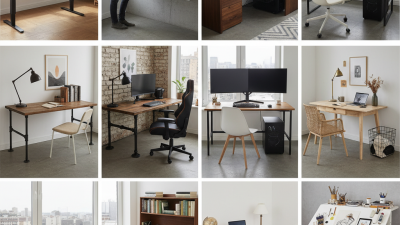
When selecting a computer desk, consider the material and style that fits your office decor. Each choice can profoundly affect the room's overall feel.
Wood offers a warm, timeless look. Glass can create an illusion of space, making it ideal for smaller areas. Metal adds a modern touch, but may feel cold in some settings.
Tips: Choose a material that complements existing furniture. Light wood or bright colors can energize a space, while dark shades might lend an air of seriousness. Ensure the style also matches your workflow—minimalist desks reduce distractions, while elaborate designs might inspire creativity.
Reflecting on your office's purpose is crucial. A formal office may call for classic designs, while a home office can embrace trendy or quirky styles. Think about how the desk fits your personal brand and work habits. Balancing aesthetics and functionality is essential. You want a desk that looks good, but also allows for comfort and efficiency.
Evaluating Ergonomics and Comfort Features
When selecting a computer desk, ergonomics and comfort should be at the forefront of your decision. According to a report from the National Institute of Occupational Safety and Health, poor ergonomics can lead to significant health issues. For instance, 60% of office workers experience discomfort in their neck and shoulders due to inadequate desk setup. This statistic underscores the importance of investing in a desk that promotes proper posture.
Features such as adjustable height can be a game-changer. Research indicates that standing desks can reduce back pain by 54% and improve overall productivity. A desk that allows you to alternate between sitting and standing caters to different ergonomic needs. Personal preferences also play a role; some may prefer more space for writing, while others need a minimalist design for electronic devices.
It's essential to consider material and build quality as well. While a sturdy desk can offer durability, the finish and texture can affect comfort levels. Not every desk is inherently perfect, and you may find that compromises must be made. For instance, limited storage options might restrict your workspace organization. Being aware of these trade-offs can help you make a more informed decision.
Budgeting for Your Ideal Computer Desk
When budgeting for your ideal computer desk, consider your specific needs and workspace. A quality desk typically ranges from $100 to $500, depending on materials and features. Ergonomic designs may cost more but can enhance comfort and productivity. Research indicates that a well-designed workspace can boost productivity by up to 20%.
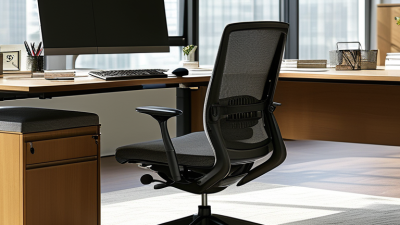
Tips: Prioritize ergonomic features. This may include adjustable heights or built-in cable management. Investing in a good chair is also important.
Don't overlook the importance of size. Measure your space carefully. A desk that’s too big can make your office feel cramped. On the other hand, a desk that’s too small may not fit all your essential equipment.
Consider used options as well. You can often find high-quality desks at a fraction of the retail price. However, ensure that they meet your ergonomic needs. Investing wisely is key. Spending a little extra for durability can save you in the long run.