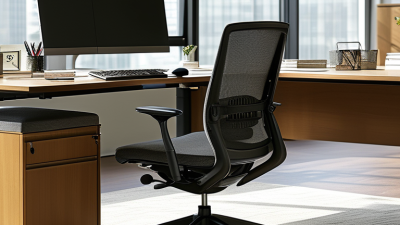
Why is Choosing the Right Office Desk Important for Productivity?
Choosing the right office desk is crucial for enhancing productivity. According to Dr. Sarah Bennett, an ergonomics expert, “A well-designed office desk can transform your work experience.” The right desk supports comfort, organization, and focus.
An office desk that suits your needs can reduce distractions. It provides the essential space for your tasks. A cluttered workspace often leads to decreased efficiency. Therefore, selecting a desk that promotes order is key.
Consider the height, material, and layout of your office desk. A desk that fits your body can prevent strain. It allows you to work longer hours comfortably. Reflection on your current setup may reveal areas for improvement. The right desk choice influences not just aesthetics but functionality.
The Role of Ergonomics in Office Desk Selection and Productivity
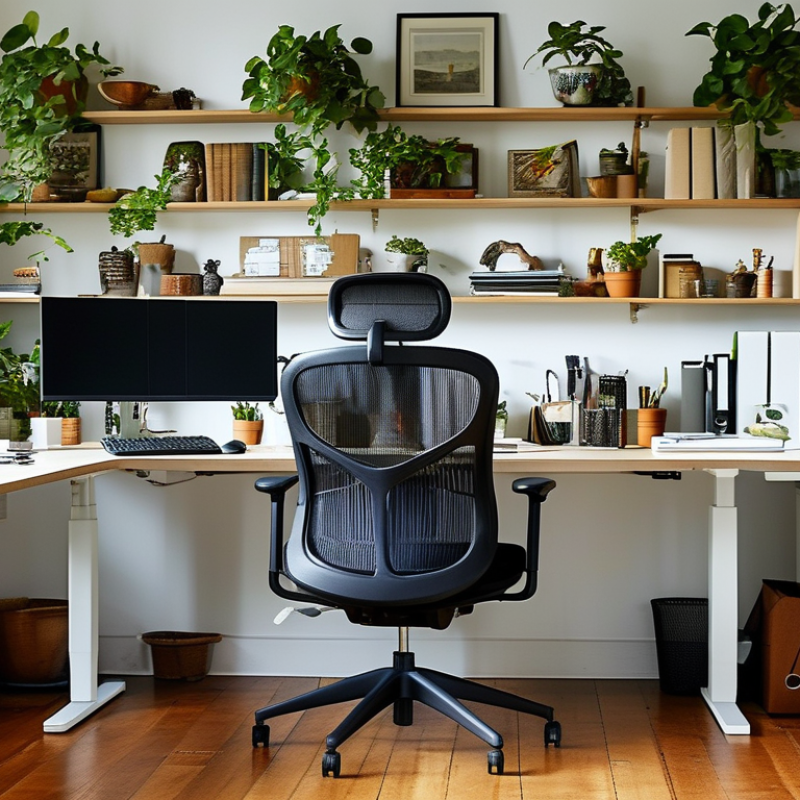
Ergonomics plays a crucial role in selecting an office desk. A well-designed desk reduces strain on the body. Studies show that proper workstation setup can increase productivity by up to 20%. A fundamental ergonomic feature is adjustable height. Standing desks, for example, can decrease back pain by 27%. This adjustment allows users to switch between sitting and standing, promoting movement.
Comfortable seating is also vital. A desk height that aligns with your elbows can prevent discomfort. The right desk should support the natural posture of your spine. According to the Occupational Safety and Health Administration (OSHA), improper desk setups contribute to an increase in workplace injuries. Investing in ergonomics is not just about comfort; it's about enhancing overall well-being.
Choosing a desk that fits your body is essential. Many professionals overlook this aspect. Visualize your typical workday spent hunched over a low desk. That scenario could lead to fatigue and decreased concentration. Effective workspace design means considering the user's needs. Ignoring this factor can affect long-term productivity and health.
Impact of Desk Design on Employee Health and Well-being
Choosing the right office desk significantly impacts employee health and well-being. A well-designed desk can enhance comfort and increase productivity. Research shows that poor desk ergonomics can lead to musculoskeletal disorders. Studies indicate that 50% of office workers experience back pain related to their workspace.
A desk that promotes good posture helps reduce fatigue. It can prevent strain on the spine and shoulders. Adjustable desks are becoming popular. They allow employees to switch between sitting and standing, promoting better blood circulation and energy levels throughout the day. However, many still overlook this simple yet impactful change.
To enhance well-being, consider the desk layout. A clutter-free workspace boosts focus and reduces mental stress. Plants can also improve air quality, significantly affecting mood and productivity. Incorporating organization tools may seem trivial, yet they can make a notable difference.
Investing in a suitable desk is not just a trend. It reflects a commitment to employee health. A thoughtful choice can lead to happier, healthier, and more productive teams. Review your desk options today. Small changes may lead to significant improvements.
Data on Workspace Organization and Its Effect on Focus
A well-organized workspace significantly enhances focus and productivity. Studies reveal that clutter leads to distractions. An orderly desk promotes clarity of thought. Individuals are better able to concentrate when their environment is tidy. Clean surfaces can motivate people to start tasks with a clear mind.
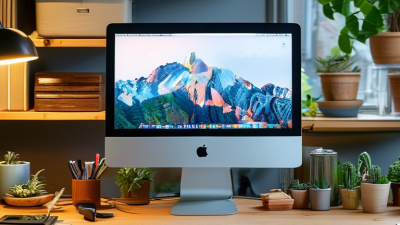
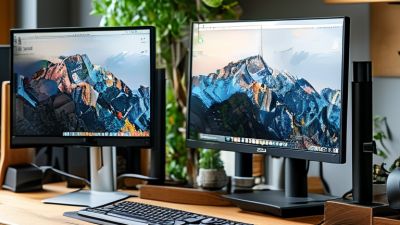
Tips for arrangement can make a difference. Use trays or organizers to separate papers. Keep only essential items on your desk. This small change can lead to a more streamlined workflow. Position your computer at eye level to avoid strain and fatigue. Ergonomics play an essential role in maintaining focus during long work hours.
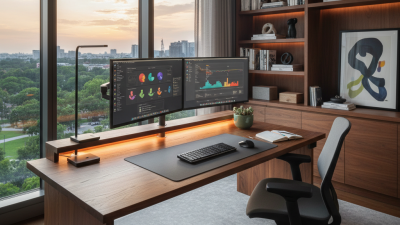
Many people overlook the importance of lighting in their workspace. Natural light boosts mood and concentration. Conversely, harsh overhead lighting may cause discomfort. Experiment with different sources of light to find what works best for your productivity. Remember, an organized and comfortable environment fosters a conducive atmosphere for work.
The Correlation Between Desk Features and Work Efficiency Metrics
Choosing the right office desk significantly impacts work efficiency. A study from the Global Workspace Survey revealed that 78% of employees report higher productivity with an ergonomic desk. Features like adjustable height and adequate surface area contribute directly to comfort. When workers are comfortable, they focus better and complete tasks faster.
A 2022 report from the American Psychological Association showed that cluttered desk spaces can decrease productivity by up to 30%. Desks that facilitate organization make it easier to maintain focus and reduce distractions. Simple elements, like built-in cable management and drawer storage, promote a tidier workspace. When essentials are easily accessible, employees spend less time searching for items.
Moreover, the lighting and positioning of a desk affect overall morale. Natural light can boost mood and increase efficiency by 20%. Desks placed near windows encourage employees to engage more with their surroundings. However, not everyone can utilize natural light, making adjustable LED lamps effective alternatives. Choosing the right desk isn't solely about aesthetics. It's about creating an environment that fosters productivity and well-being, leading to improved work output.
Trends in Office Desk Customization and Employee Satisfaction Insights
Choosing the right office desk is crucial for employee productivity. Customization trends show a shift towards personalizing workspaces. Employees prefer desks that reflect their personality and needs. Many now seek adjustable features, like standing desks. These options increase comfort and promote movement.
Customization also enhances employee satisfaction. A thoughtfully designed desk can create a sense of ownership. When employees feel their workspace suits them, their engagement rises. Open concepts allow for collaborative setups, yet the right desk can provide personal space. Finding a balance remains challenging.
Some companies struggle with desk standardization. Uniformity may hinder individuality. Close attention to this can reveal underlying issues. The goal should be flexibility in design while considering team dynamics. Listening to employee feedback is vital to success.