What is a Standing Desk and Why Should You Use One?
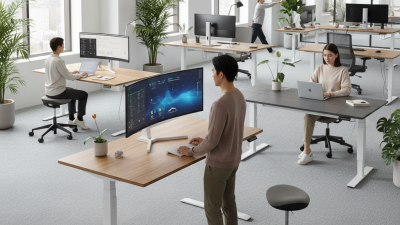
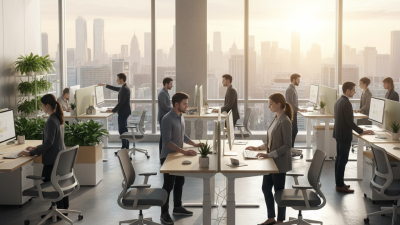
The modern workspace has evolved significantly. One notable trend is the rise of Standing Desks. These desks allow users to work while standing, promoting better posture and reducing the risks associated with prolonged sitting. Many professionals now seek to incorporate standing desks into their daily routines.
Research indicates that standing desks can improve energy levels and enhance productivity. They encourage movement, which can lead to better overall health. However, the transition to standing desks is not always straightforward. Some may find it challenging to adjust to standing for extended periods. It’s essential to find a balance between sitting and standing.
Choosing the right standing desk is also crucial. Options vary widely, from fixed-height models to adjustable designs. Users must assess their needs and workspace to make an informed decision. While the benefits are apparent, finding what works best personally requires time and experimentation.
What is a Standing Desk? Definition and Key Features
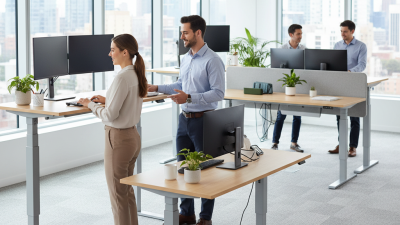
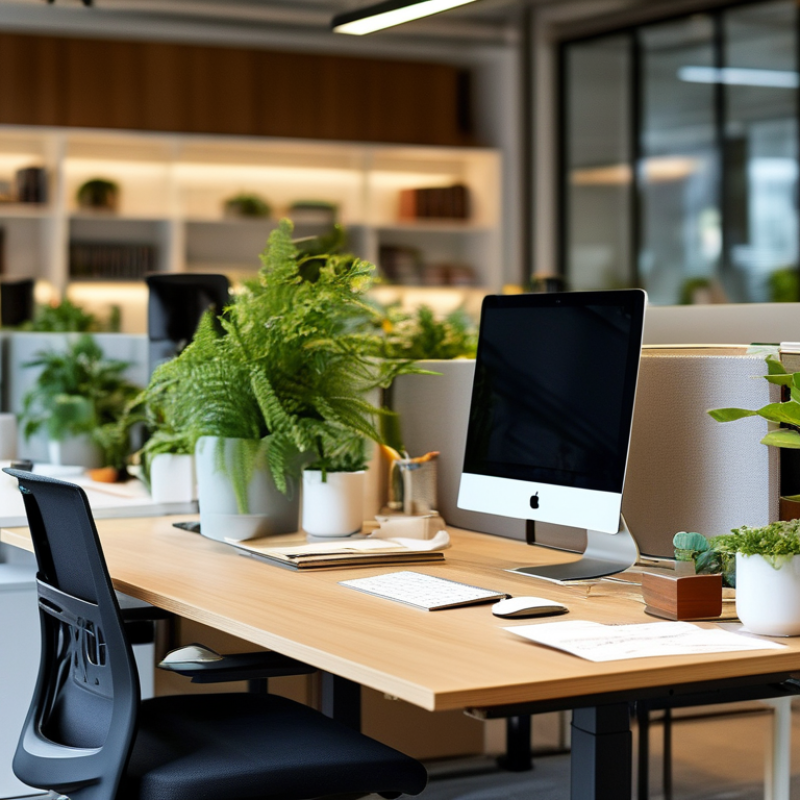
A standing desk is a versatile piece of furniture designed to allow users to work while standing. These desks come with adjustable heights, enabling users to switch between sitting and standing effortlessly. Studies indicate that standing desks can reduce sitting time by about 60%, which is significant considering that sedentary behavior is linked to various health issues.
One key feature of standing desks is their ability to promote better posture. Research by the Journal of Physical Activity & Health reveals that standing while working can lead to a 32% decrease in back pain over time. Moreover, standing desks encourage movement, which can improve energy levels and boost productivity. However, it’s worth noting that standing for long periods might lead to discomfort in the legs and feet, emphasizing the importance of alternating positions.
Many individuals still grapple with fully embracing this change. Reports suggest that while 43% of employees express interest in using standing desks, actual adoption remains low due to concerns about discomfort or lack of awareness. The journey to a healthier workspace is ongoing, and using standing desks is just a part of a larger solution that includes regular breaks and physical activity. Balancing usage is crucial for reaping the full benefits.
Benefits of Using a Standing Desk for Health and Productivity
Standing desks have gained popularity in recent years, primarily due to their health benefits. They promote better posture and reduce the risks associated with prolonged sitting. Research shows that sitting for long hours can lead to various health issues, including obesity and cardiovascular diseases. By using a standing desk, you engage your muscles more, which might help burn more calories throughout the day.
In addition to health benefits, standing desks can boost productivity. Many users report increased alertness and focus when working in a standing position. The change in posture may stimulate energy levels, allowing for longer, more productive work sessions. However, it's essential to find a balance. Standing for too long can lead to fatigue and discomfort.
Finding the right height for your desk is crucial, as an incorrect setup can cause strain. Regular movement is also vital; shifting your weight and taking short breaks can prevent stiffness. While standing desks can enhance your work experience, being mindful of how you use them will maximize their benefits.
Statistics on Sedentary Behavior and Its Impact on Well-being
Sedentary behavior has become a significant concern in today's society. Statistics reveal that the average adult spends over 8 hours a day sitting. This lifestyle is linked to various health issues, including obesity, heart disease, and diabetes. Sitting for extended periods can reduce metabolism and contribute to weight gain. Moreover, it is associated with anxiety and depression.
The impact of prolonged sitting is alarming. Studies indicate that individuals who sit for more than 6 hours daily are at increased risk of premature death. Transitioning to a standing desk may help mitigate these risks. Standing desks promote more movement throughout the day. They can improve posture and reduce discomfort in the neck and back. However, standing for too long can also lead to fatigue. Finding a balance is essential.
Changing work habits takes time and effort. Adapting to a standing desk may not be easy for everyone. Listening to your body is crucial. Pay attention to how you feel after extended periods of standing. Taking breaks to walk or stretch can be beneficial. It’s important to remember that any increase in movement is a step in the right direction.
Guidelines for Proper Use and Ergonomics of Standing Desks
Standing desks have gained popularity for their potential health benefits. However, using one properly is essential for maximizing your comfort and productivity. Start by adjusting the desk height to ensure your elbows rest at a 90-degree angle. Your screen should be at eye level to avoid straining your neck. Stand with your feet shoulder-width apart to promote stability.
Incorporating movement throughout your day is crucial. Shift your weight from side to side, or take short breaks to walk around. This strategy helps reduce fatigue and discomfort. It’s also important to select supportive footwear. Flat shoes can lead to foot pain, while supportive shoes can enhance your standing experience.
Monitor your standing duration. Gradually increase your standing hours each week. Listen to your body; if you feel pain or discomfort, reassess your setup. Personalizing your standing desk experience can lead to better outcomes. Each person's preference may vary, so don’t hesitate to experiment until you find what suits you best.
Popular Types of Standing Desks and Their Price Ranges
Standing desks have gained popularity for their potential health benefits. They allow users to switch between sitting and standing, promoting better posture and reducing back pain. When considering a standing desk, it’s essential to understand the various types available and their price ranges.
One popular option is the electric standing desk. These desks adjust heights seamlessly with the push of a button. They typically range from $300 to $800. This price reflects their functionality and durability. Another option is the manual standing desk. These desks require physical adjustments but are often more affordable, with prices ranging from $150 to $400. Some users appreciate the simplicity of these models, although adjusting them can be labor-intensive.
There are also converter stands, which sit on top of existing desks. They help create a standing workstation without replacing the entire desk. Price ranges from $100 to $300, making them accessible for those on a budget. However, they may not provide the same stability and surface area as full desks. Each type of standing desk has pros and cons, and users should consider their unique needs and workspace.
What is a Standing Desk and Why Should You Use One? - Popular Types of Standing Desks and Their Price Ranges
| Desk Type |
Price Range |
Height Adjustable |
Material |
| Manual Standing Desk |
$100 - $300 |
No |
Wood, Metal |
| Electric Standing Desk |
$300 - $800 |
Yes |
Wood, Metal, Glass |
| Convertible Desk |
$200 - $500 |
Yes |
Wood, Metal |
| Desk Converter |
$50 - $200 |
Yes |
Plastic, Metal |
| Wall-Mounted Desk |
$80 - $400 |
No |
Wood, Metal |