Top 10 Loose Furniture Styles for Your Global Sourcing Needs?
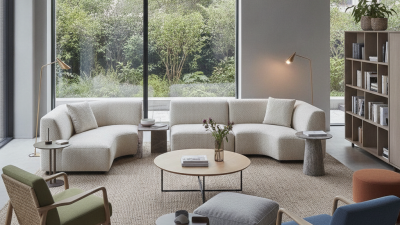
In today's fast-paced global market, the demand for versatile and adaptable designs has never been higher. Loose furniture has emerged as a leading solution for businesses seeking style and functionality. These pieces are easily arranged and reconfigured, catering to various environments, from bustling cafes to tranquil lounges. By incorporating loose furniture, businesses can enhance their spaces while ensuring comfort and a welcoming atmosphere.
Exploring diverse styles of loose furniture can cater to various tastes and needs. Each style brings unique characteristics to the table, influencing the ambiance and functionality of a space. For instance, minimalist designs promote simplicity, while eclectic mixes resonate with a more vibrant aesthetic. Understanding these nuances can help businesses make informed sourcing decisions.
In the journey of selecting the right loose furniture, it’s essential to reflect on your brand identity and target market. Every choice reflects your commitment to quality and comfort. However, businesses must also be open to experimenting with unconventional styles. Striking a balance between reliability and creativity can elevate your sourcing strategy and leave a lasting impression.
The Importance of Loose Furniture in Global Sourcing Strategies
In recent years, the significance of loose furniture in global sourcing strategies has become increasingly evident. According to a report by Statista, the global furniture market is projected to reach USD 650 billion by 2024. This growth underscores the need for adaptable and versatile furniture solutions. Loose furniture provides the flexibility to meet diverse consumer preferences and evolving trends. Unlike fixed assets, loose furniture allows retailers to reconfigure spaces easily, catering to changing demands.
Tips: Always consider local aesthetics when sourcing. Consider color, texture, and design to ensure cultural resonance.
From a strategic standpoint, loose furniture minimizes logistical complexities. Organizations can change layouts without undergoing extensive renovations. It leads to reduced costs and faster response times to market fluctuations. However, sourcing the right type requires in-depth knowledge of local markets and trends.
Tips: Build relationships with reliable suppliers. They can offer valuable insights into emerging styles and preferences.
Investing in loose furniture enhances adaptability but requires constant evaluation. Companies need to stay informed about shifts in consumer behavior and material trends. Not following these shifts can result in mismatches between inventory and customer expectations. Keeping this in mind is essential for successful global sourcing.
Top 10 Loose Furniture Styles for Your Global Sourcing Needs
Understanding the dynamics of loose furniture styles is crucial for effective global sourcing strategies. This chart displays the popularity of the top 10 loose furniture styles, which can help inform decisions about sourcing and market trends.
Top 10 Loose Furniture Styles: A Comprehensive Overview
When considering loose furniture styles for global sourcing, it's essential to explore a variety of designs. Each style reflects unique culture and tradition. Scandinavian designs emphasize minimalism and functionality. The clean lines and natural materials attract many buyers. These pieces often feature light woods and neutral colors, creating a calm environment.
In contrast, mid-century modern furniture brings a touch of nostalgia. With its organic shapes and vibrant colors, it stands out in any space. The blend of form and function is appealing. However, sourcing quality mid-century pieces can be a challenge. Modern replicas may not always capture the original essence, so careful evaluation is necessary.
Global sourcing demands an awareness of local preferences and quality standards. Understanding these styles helps in making informed decisions. While many styles look appealing, not all will fit seamlessly into every market. Assessing durability and ease of maintenance is crucial. Some designs may suffer wear and tear more quickly than expected. It's vital to strike a balance between aesthetics and practicality.
Market Trends: Demand for Eco-Friendly Loose Furniture Options
The market for loose furniture is shifting significantly towards eco-friendly options. Recent studies indicate that 72% of consumers prefer sustainable materials. This demand reveals a growing awareness of environmental issues worldwide. Many customers are now considering the lifecycle of furniture and its impact on the planet.
Manufacturers are responding by adopting greener practices. A report from the Furniture Industry Sustainability Council highlights that 56% of furniture companies are sourcing materials from sustainable suppliers. This shift supports local economies while reducing carbon footprints. However, not all brands achieve this balance effectively. There are still many firms that struggle with genuine eco-friendliness versus greenwashing.
Innovative designs incorporating reclaimed wood and recycled metals are trending. Yet, sourcing these materials can present challenges. Some suppliers may lack transparency in their sourcing practices, leading to skepticism. Consumers are becoming more educated, demanding proof of sustainable claims. The loose furniture market must continuously evolve and embrace authenticity to capture this conscious consumer segment.
Key Materials Used in Loose Furniture Production: An Industry Analysis
When sourcing loose furniture, understanding the key materials involved is essential. Different styles require different materials. Fabric, wood, and metal are common choices in the industry. Each material brings unique qualities—wood offers durability, fabric provides comfort, and metal adds modernity.
Consider sourcing options carefully. Wood options may include oak, walnut, or pine. Each type has its strengths, shaping its function and aesthetic. Fabric choices, from cotton to linen, should match the intended use. For tailored design, think about mixing materials. This can create a distinctive look that captures attention.
Inspect multiple suppliers to ensure material quality. Always request samples to evaluate texture and durability. Be cautious of rush orders, which can lead to subpar products. Remember, sourcing the right material is not just about aesthetics; it's about sustainability too. Look for ethically sourced materials to enhance your brand reputation.
Cost-Benefit Analysis of Sourcing Loose Furniture Globally
Sourcing loose furniture globally offers diverse options. Various styles cater to different tastes and markets. However, it's essential to conduct a thorough cost-benefit analysis before making decisions.
Consider the initial expenses. Shipping costs can be high, affecting profit margins. Import duties and tariffs add to these costs, making some options less feasible. Yet, partnering with reliable manufacturers can often lead to lower pricing, balancing out these expenses.
Quality is another critical aspect. Sourcing from reputable regions can provide high-quality materials. However, the challenge lies in ensuring consistent quality. Some suppliers may fall short, requiring additional oversight. Establishing clear communication with manufacturers can mitigate these risks, but it demands time and effort. Finding the right balance between cost and quality is crucial for long-term success.
Top 10 Loose Furniture Styles for Your Global Sourcing Needs
| Furniture Style |
Material |
Average Cost ($) |
Durability (Years) |
Popularity Score (1-10) |
| Mid-Century Modern |
Wood, Upholstery |
750 |
10 |
9 |
| Scandinavian |
Wood, Textiles |
650 |
8 |
8 |
| Industrial |
Metal, Wood |
800 |
12 |
7 |
| Rustic |
Reclaimed Wood |
700 |
15 |
6 |
| Contemporary |
Veneer, Metal |
600 |
10 |
9 |
| Traditional |
Hardwood, Fabric |
850 |
20 |
8 |
| Shabby Chic |
Painted Wood |
500 |
7 |
5 |
| Bohemian |
Various Materials |
450 |
5 |
6 |
| Transitional |
Wood, Leather |
700 |
10 |
8 |
| Minimalist |
Glass, Steel |
300 |
8 |
9 |